President Donald Trump Extends Executive Order Mandating 100000 Dollar Fee for H-1B Non-Immigrant Visa Applications Through September 2027

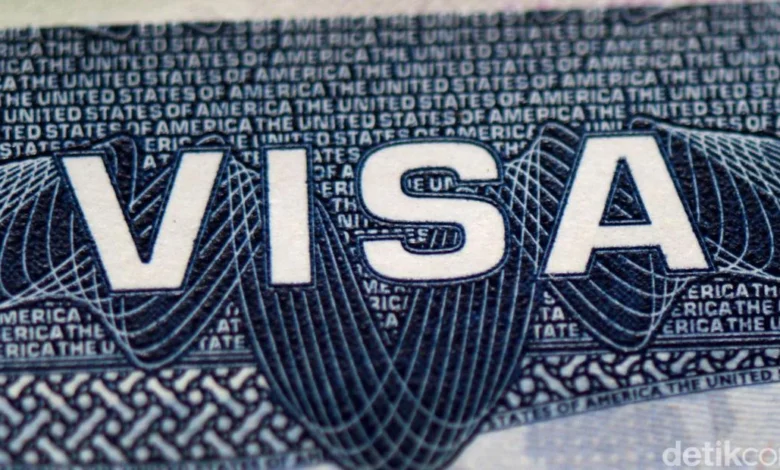
JAKARTA — President Donald Trump has officially extended an executive order that maintains a stringent financial barrier for foreign professionals seeking entry into the United States via the H-1B non-immigrant visa program. The directive mandates a fee of US$ 100,000 for each new application, a figure that significantly dwarfs historical administrative costs. This extension effectively ensures that the policy, originally slated to expire this month, will remain in force until September 2027, marking a pivotal continuation of the administration’s restrictive stance on high-skilled immigration.
The H-1B visa has long served as a cornerstone of the American technology and engineering sectors, allowing U.S. employers to recruit specialized workers from around the globe to fill roles requiring technical expertise that is often in short supply domestically. By imposing this massive surcharge, the administration has effectively reshaped the economics of talent acquisition for major corporations, shifting the cost of entry from a few thousand dollars to a prohibitive six-figure sum.
The Evolution of the H-1B Policy
The H-1B program was established under the Immigration Act of 1990, designed to provide U.S. companies with access to global talent to bolster innovation. Historically, the fees associated with these petitions were primarily administrative, ranging from US$ 2,000 to US$ 5,000, intended to cover the processing costs and specific training initiatives for the domestic workforce.
However, the landscape shifted dramatically in September 2025, when President Trump, citing a need to prioritize domestic hiring and curb the perceived displacement of American workers, signed the initial executive order imposing the US$ 100,000 fee. The administration’s argument centered on the premise that high-skilled foreign labor had suppressed wage growth for domestic professionals. By inflating the cost of hiring international workers, the White House sought to incentivize companies to invest more heavily in the American labor pool.
The extension announced this week ensures that this "economic deterrent" remains a fixture of federal policy for the next two years. The administration maintains that this approach aligns with its broader "America First" agenda, which aims to tighten immigration pathways while pushing for a high-wage, domestic-centric economy.
Scope and Exemptions
Crucially, the executive order does not apply to all applicants. The policy contains specific carve-outs intended to minimize disruption for certain demographics already integrated into the U.S. educational and labor systems. Specifically, the US$ 100,000 fee is not applicable to foreign nationals currently residing in the United States on student visas—a group that constitutes a significant portion of new H-1B recipients—nor does it affect those seeking renewals for existing H-1B visas.
This exemption structure suggests a tactical focus: the administration is targeting the "inflow" of new foreign talent rather than disrupting the existing workforce already embedded within U.S. tech firms and research institutions. Despite this, industry analysts warn that the exclusion of new, top-tier talent from international universities—who may not have transitioned through the U.S. student visa system—could lead to a "brain drain" that negatively impacts American competitiveness in emerging sectors like artificial intelligence and biotechnology.
Legal Challenges and Judicial Scrutiny
The policy has not proceeded without significant pushback. The aggressive nature of the fee hike has triggered a wave of litigation across the United States. Trade associations, led by the U.S. Chamber of Commerce, have characterized the fee as an arbitrary and capricious exercise of executive authority that bypasses congressional oversight.
In June 2026, a federal judge issued a ruling declaring the US$ 100,000 fee illegal, arguing that the executive branch exceeded its statutory authority by imposing such a steep financial penalty without clear legislative backing. The administration immediately appealed this decision, and the matter is currently being reviewed by a federal appeals court in Boston.
Simultaneously, other courts are weighing the merits of various lawsuits aimed at permanent injunctive relief. These legal battles represent a fundamental conflict between the executive branch’s power to manage immigration policy and the administrative procedures mandated by federal law. Legal experts suggest that the outcome of these cases will likely reach the Supreme Court, given the substantial economic implications for the tech sector and the constitutional questions regarding the scope of executive orders.
Economic Implications for the Tech Industry
The tech sector, which historically relies on the H-1B program for roughly 70% of its specialized workforce, has expressed deep concern regarding the long-term impacts of this policy. Industry leaders argue that the US$ 100,000 fee renders the hiring of entry-level and mid-level foreign engineers financially non-viable for all but the largest and most well-capitalized corporations.
"This is not a fee; it is a quota system by another name," said an analyst from a prominent Washington-based think tank. "When you force a company to pay a US$ 100,000 premium on top of salary and benefits, you are effectively closing the door to small and medium-sized enterprises (SMEs) that lack the capital to compete with tech giants. This consolidates market power and stifles the very competition that drives innovation."
Furthermore, the data suggests that foreign-born workers are instrumental in the founding and growth of U.S.-based startups. A study by the National Foundation for American Policy found that immigrants have founded or co-founded more than half of America’s billion-dollar startups. By making it prohibitively expensive to bring in international talent, the administration may be inadvertently slowing the pace of entrepreneurship in the U.S.
The Global Context and Future Outlook
The U.S. is not the only nation grappling with immigration policy, but the scale of the Trump administration’s fee hike is unprecedented among developed economies. While nations like Canada and the United Kingdom have implemented points-based systems to attract high-skilled workers, the U.S. strategy of using extreme fiscal barriers represents a departure from traditional Western immigration frameworks.
As of September 2026, the policy remains a flashpoint in the national discourse on immigration. Proponents argue that the fee is a necessary mechanism to protect American wages and ensure that corporations invest in local training programs. Critics, however, contend that the policy is fundamentally disconnected from the realities of a globalized economy, where the competition for high-level talent is fierce.
Looking ahead to the 2027 expiration date, the future of the H-1B program will likely be shaped by three factors: the final rulings of the federal judiciary, the economic data regarding domestic wage growth in the tech sector, and the upcoming political cycles. For now, companies operating in the U.S. must prepare for at least another year of operating under this high-cost regulatory environment, while legal observers remain fixed on the appellate courts to determine if the administration’s mandate can withstand the weight of its own legal challenges.
With the extension signed and the legal clock ticking, the U.S. immigration system finds itself in a state of flux. Whether this policy ultimately serves to protect the American workforce or hinders the nation’s ability to remain a global hub for innovation remains a subject of intense debate among policymakers, economists, and business leaders alike. The administration, for its part, remains firm, signaling that its commitment to restricting H-1B access remains a top priority for the remainder of its term.
Related posts: