The History and Significance of National Sports Day in Indonesia: A Legacy of Resilience and Unity

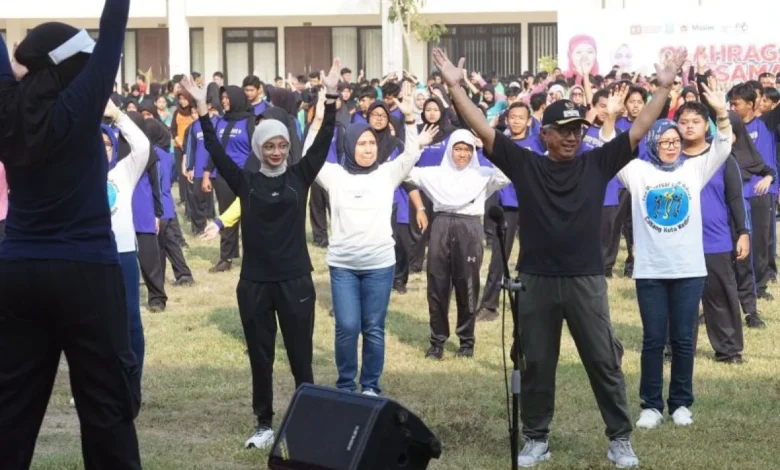
Every September 9, the Republic of Indonesia observes National Sports Day, known locally as Hari Olahraga Nasional (Haornas). This annual commemoration serves as more than just a celebratory date on the calendar; it is a profound reflection of the nation’s historical trajectory, its struggle for recognition on the global stage, and a strategic initiative to foster a healthier, more disciplined society. From its humble beginnings in the aftermath of a hard-won independence to its modern role as a pillar of national character-building, Haornas remains a vital component of Indonesia’s cultural and social fabric.
The Genesis of National Sports Day: The First PON
The roots of National Sports Day are inextricably linked to the birth of the Pekan Olahraga Nasional (PON), or the National Sports Week. In 1948, the young Indonesian republic was still navigating the complexities of its sovereignty, facing immense diplomatic and security challenges. Despite these pressures, the spirit of nationalism was burning bright.
The first PON was held in Surakarta (Solo), Central Java, from September 9 to September 12, 1948. At the time, the world was looking toward London, which was hosting the XIV Olympic Games. Indonesian athletes aspired to compete in London to signal to the international community that the new republic was a sovereign nation with a distinct identity. However, due to the lack of formal recognition and the absence of a national Olympic committee that was recognized by the International Olympic Committee (IOC), the contingent faced insurmountable administrative hurdles.
Refusing to be deterred, the Indonesian leadership, under the guidance of figures like Sri Sultan Hamengkubuwono IX, pivoted inward. If they could not showcase their athletic prowess on the world stage in London, they would create their own stage in Solo. This decision was a strategic masterpiece of soft power. By organizing the first PON, Indonesia demonstrated that it had the organizational capacity, the athletic talent, and the national unity to manage a large-scale event. The opening date of this inaugural event, September 9, was etched into history, eventually becoming the anchor for what we now celebrate as Haornas.
Chronology: From Local Event to National Mandate
The formalization of the commemoration did not occur overnight. It took decades for the legacy of the 1948 PON to be officially codified into the national consciousness.
- September 9–12, 1948: The first Pekan Olahraga Nasional (PON) is held in Surakarta, marking the beginning of organized national-scale sporting events in Indonesia.
- September 9, 1983: President Soeharto officially declares the date as Hari Olahraga Nasional during the inauguration of the renovated Sriwedari Stadium in Surakarta. This marked the shift from a historical reference to an annual national agenda.
- 1985: The legal framework is solidified with the issuance of Presidential Decree (Keppres) Number 67 of 1985, which formally established September 9 as National Sports Day, emphasizing the importance of sustainable sports development.
- 2026: Indonesia marks the 43rd anniversary of the official Haornas proclamation, reflecting on four decades of growth in sporting infrastructure, athlete training, and public participation.
The Legal and Philosophical Framework
The promulgation of Keppres 67/1985 was not merely a bureaucratic formality. It represented a government-led directive to institutionalize physical fitness as a national priority. By designating a specific day to commemorate sports, the state aimed to ensure that the development of athletics remained a persistent item on the national agenda.
The philosophy behind this decree was twofold. First, it sought to preserve the memory of the 1948 effort as a symbol of national pride. Second, it provided a platform for the Ministry of Youth and Sports (Kemenpora) to launch campaigns aimed at the "sportification" of society. The objective was to move beyond elite performance—medals and podiums—and embed physical activity into the daily lives of the average citizen.
Data and Trends: The Economic and Health Impact
Recent discourse from the Ministry of Youth and Sports highlights a shift in how the state views the sports sector. It is no longer viewed solely as a recreational activity but as an engine for economic growth and public health.
Data from the Kemenpora indicates that for every unit of currency invested in public sports facilities, there is a tangible return in the form of reduced long-term healthcare costs and increased labor productivity. Furthermore, the government has recently requested substantial budget allocations—including a proposed Rp1.5 trillion for advanced training academies—to modernize how Indonesia identifies and develops elite talent.
Sport tourism has also emerged as a significant economic driver. Initiatives such as the branding of regions like Sumba Timur as hubs for sport tourism, and the planning of specialized events like the upcoming beach PON, demonstrate that the government is leveraging Indonesia’s natural geography to attract both domestic and international sports enthusiasts. This diversification of the sports economy suggests that the legacy of 1948 has evolved into a sophisticated, multi-faceted industry.
Official Perspectives and Government Strategy
Government officials, including the Minister of Youth and Sports, have consistently emphasized that the "Sporting Nation" concept is about more than just physical prowess. In official guidelines for the 2025–2026 period, the Ministry identified sports as a critical vehicle for "character building."
"The development of sports brings benefits that transcend the podium," a government spokesperson noted. "It fosters discipline, strategic thinking, and national unity. When we see athletes from different regions competing under one banner, we see the true potential of Indonesia’s unity."
However, challenges remain. Critics and experts argue that while the government has been successful in creating a celebratory atmosphere on September 9, the grassroots implementation of consistent physical education remains uneven across the archipelago. The demand for better infrastructure—specifically modern training academies—remains the primary hurdle for Indonesia to transition from a regional sports power to a global contender.
The Broader Implications for Indonesian Society
As Indonesia approaches the mid-21st century, the significance of National Sports Day has evolved. In an era of sedentary lifestyles and digital saturation, the mandate to promote physical activity is more relevant than ever.
The implications of a robust sports culture in Indonesia include:
- Public Health: Combating the rising prevalence of lifestyle-related diseases through proactive, state-sponsored fitness programs.
- Social Cohesion: Sports remain one of the few arenas where the diverse ethnic, religious, and geographic groups of Indonesia interact on equal footing, reinforcing the national motto, Bhinneka Tunggal Ika (Unity in Diversity).
- Diplomatic Capital: As seen in 1948, international sporting success is a powerful tool for diplomacy. Indonesia’s hosting of major events like the Asian Games and the upcoming regional beach sports competitions elevates its standing in the global community.
Looking Ahead: Haornas in 2026 and Beyond
As the nation celebrates the 43rd anniversary of the official Haornas proclamation in 2026, the focus has shifted toward sustainability and inclusivity. The modern iteration of the day encourages citizens to move away from passive observation and toward active participation. Whether through community fun runs, inter-school tournaments, or local gym initiatives, the goal is to ensure that the spirit of the 1948 pioneers is carried forward by the youth of today.
The history of National Sports Day serves as a powerful reminder that Indonesia’s sporting identity was forged in the fires of necessity. It began with an act of defiance and a desire for recognition, and it has matured into a comprehensive system aimed at improving the quality of life for millions. As the country looks toward the future, the lessons of the past—resilience, unity, and the belief that sports can represent the soul of a nation—will continue to guide its path toward becoming a healthier and more competitive global player.
In conclusion, September 9 is not just a date on the calendar; it is an enduring testament to Indonesia’s ability to turn challenges into opportunities. Whether through the professionalization of athlete training or the simple act of encouraging a child to play outside, the legacy of the first PON lives on, continuing to shape the identity of a nation that remains as determined today as it was in 1948.