The Hidden Scars: Understanding the Long-Term Impacts and Systemic Roots of Childhood Emotional Abuse

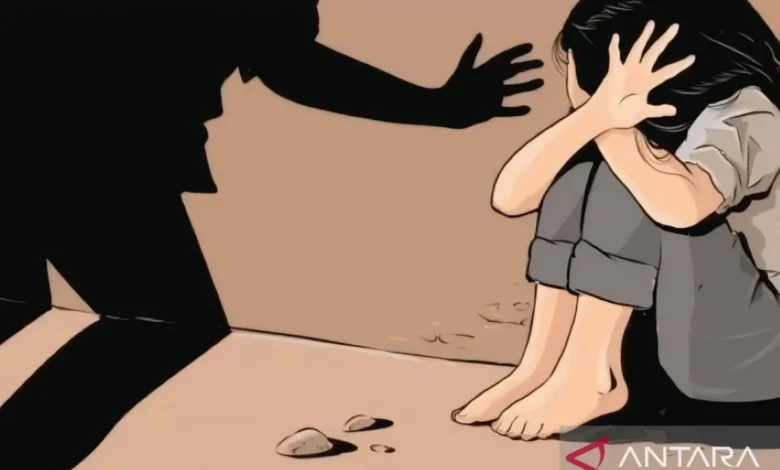
Jakarta (ANTARA) – Violence against children encompasses any deliberate act of mistreatment, harm, or abuse directed toward individuals under the age of 18. Ranging from physical and sexual abuse to severe emotional neglect, these violations represent a critical global public health and human rights crisis. While physical and sexual abuse often leave visible marks, emotional abuse operates silently, weaving a complex web of psychological trauma that frequently persists well into adulthood. Often harder to detect, emotional abuse inside the domestic sphere possesses a cyclical nature, passing invisibly from one generation to the next within families struggling with chronic stress, socioeconomic pressures, and unresolved generational trauma.
Child protection advocates, international health organizations, and government institutions have increasingly turned their attention toward the insidious nature of psychological maltreatment. Unlike physical violence, emotional abuse does not trigger immediate medical interventions or emergency room visits, allowing it to fester unnoticed within households, schools, and communities. As public awareness grows regarding the lifelong consequences of adverse childhood experiences (ACEs), researchers and policymakers are urging a comprehensive reassessment of how society identifies, prevents, and treats psychological violence against minors.
Defining Emotional Abuse and the Intergenerational Cycle
Childhood emotional abuse involves patterns of behavior that convey to children that they are worthless, flawed, unloved, endangered, or only of value in meeting another’s needs. This form of maltreatment includes constant yelling, belittling, excessive criticism, unrealistic expectations beyond a child’s developmental capacity, name-calling, and chronic rejection. Experts note that emotional abuse rarely occurs in a vacuum; rather, it often serves as a foundational component of a dysfunctional family dynamic.
A primary characteristic of emotional abuse is its transmissibility within family systems. For instance, when a domestic partner experiences verbal or emotional hostility from a spouse, the targeted individual may unconsciously or consciously displace that frustration onto their children. This displacement normalizes hostility within the household, teaching developing minds that emotional volatility and verbal degradation are standard components of human relationships. Consequently, children internalize these negative behaviors, perpetuating a destructive cycle that they may eventually replicate in their own adult relationships and future parenting styles.
Socioeconomic Vulnerabilities and Global Prevalence
The root causes of child abuse and neglect are deeply intertwined with systemic socioeconomic factors. Data compiled by the Centers for Disease Control and Prevention (CDC) illustrates the staggering scale of the issue globally, revealing that approximately one in seven children in the United States alone has experienced some form of abuse or neglect within a given year. However, child welfare experts emphasize that these figures likely underestimate the true prevalence due to underreporting, particularly regarding emotional and psychological abuse.
Children growing up in impoverished environments face a significantly heightened risk of victimization. Persistent financial instability, food insecurity, and housing precarity generate elevated, chronic stress levels for parents and caregivers. Lacking adequate mental health support, coping mechanisms, or community resources, overwhelmed parents may experience burnout and emotional exhaustion. This psychological strain frequently manifests as neglect, harsh discipline, or emotional detachment, trapping families in a cycle of poverty and trauma.
When structural support systems fail to alleviate these pressures, vulnerable children bear the brunt of the domestic strain. The absence of comprehensive social safety nets often leaves struggling families isolated, reducing the likelihood that external observers—such as teachers, pediatricians, or social workers—will intervene before psychological damage becomes severe.
The Invisible Wounds and Long-Term Psychological Consequences
While physical scars eventually fade, the psychological wounds inflicted by chronic emotional abuse often shape a survivor’s personality, worldview, and emotional regulation capabilities for decades. Research consistently demonstrates that emotional abuse inflicts damage equivalent to physical or sexual trauma, structurally altering how a developing brain processes stress, safety, and self-worth.
In the immediate aftermath and extending through adolescence, victims of emotional maltreatment frequently develop deep-seated self-doubt, a pervasive sense of worthlessness, and internalized self-loathing. Over time, continuous exposure to harsh criticism erodes a child’s developing identity. Victims begin to internalize the negative narratives projected by their abusers, leading to chronic self-blame and a distorted self-image.
As these individuals transition into adulthood, the lingering trauma manifests in profound ways. Clinical studies indicate that adult survivors of childhood emotional abuse exhibit heightened vulnerability to major depressive disorder, generalized anxiety disorders, complex post-traumatic stress disorder (C-PTSD), eating disorders, and chronic low self-esteem. Furthermore, these psychological burdens frequently spill over into professional spheres, impairing career advancement, workplace performance, and the ability to maintain stable employment.
Interpersonal Challenges and Social Isolation
The impact of early emotional trauma extends directly into an individual’s capacity to form and maintain healthy interpersonal relationships. According to psychological insights from platforms like Verywell Mind, adults who endured emotional abuse in their youth often struggle to trust others. Because their foundational experiences of attachment were characterized by rejection, criticism, or unpredictability, they view the world as inherently unsafe and relationships as transactional or perilous.
Low self-esteem convinces many survivors that they are fundamentally "not good enough" for healthy affection, leading them to tolerate toxic or abusive dynamics later in life because those patterns feel familiarly normal. Conversely, some survivors choose the path of complete social isolation, withdrawing from community engagement, romantic partnerships, and friendships to shield themselves from perceived rejection or harm. This isolation exacerbates depressive symptoms and deprives survivors of the social support networks essential for healing.
Institutional Responses and Advocacy in Indonesia
In Indonesia, government bodies and child protection agencies have ramped up efforts to combat all forms of violence against minors, recognizing that psychological maltreatment requires urgent legislative and systemic intervention. Recent high-profile cases involving institutional abuse—such as the Ministry of Women’s Empowerment and Child Protection (KemenPPPA) supporting strict legal actions against abusive daycare operators—demonstrate a hardening stance against perpetrators of child endangerment and mistreatment.
Furthermore, national leadership has emphasized the necessity of cross-sector collaboration to mitigate violence against women and children. Coordinating Minister for Human Development and Culture (Menko PMK) has continually advocated for integrated approaches involving law enforcement, social services, educational institutions, and healthcare providers. Such multi-agency coordination aims to close reporting gaps, streamline victim support services, and ensure that perpetrators face robust legal consequences.
Protecting Children in the Digital and Domestic Spheres
As the landscape of child protection evolves, authorities are also addressing modern frontiers of vulnerability. The KemenPPPA has increasingly emphasized the integration of policies to safeguard children within digital spaces, where online harassment, cyberbullying, and emotional exploitation have emerged as contemporary threats to adolescent mental health. Integrating digital safety into national child protection frameworks acknowledges that emotional abuse no longer occurs exclusively within the physical boundaries of the home or school.
Preventing emotional abuse demands a dual approach: immediate intervention and long-term societal transformation. Public awareness campaigns aimed at destigmatizing mental health counseling, educating parents on positive discipline techniques, and strengthening community-based family support systems are critical. By treating emotional abuse with the same seriousness as physical violence, society can begin to dismantle the hidden mechanisms of trauma, offering hope and healing to generations of children yet to come.
Related posts: