Green Gold of the Archipelago: Unlocking the Nutritional Power and Economic Significance of Mung Beans in Indonesia

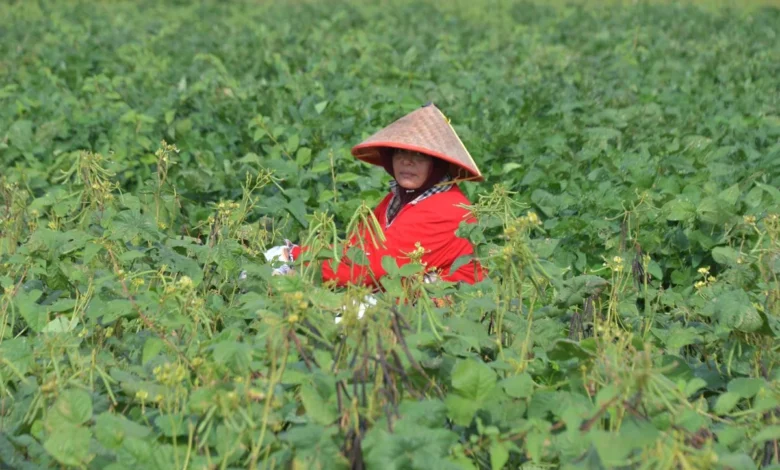
Jakarta (ANTARA) – For generations, the humble mung bean has held a cherished place in the culinary landscape of Indonesia. From the comforting warmth of traditional coconut-infused porridge (bubur kacang hijau) to savory fillings for pastries, refreshing beverages, and crunchy raw sprouts (kecambah), this small legume is remarkably versatile. Beyond its culinary ubiquity, affordability, and accessibility across traditional wet markets and modern supermarkets alike, modern nutritional science and public health authorities continue to validate the remarkable nutrient profile hidden within its compact form.
Referred to locally as kacang hijau, this powerhouse legume has steadily transitioned from a staple comfort food into a focal point of national nutritional campaigns and international agricultural trade. Supported by data from the Indonesian Ministry of Health, public health experts emphasize that despite its modest size, the mung bean serves as an exceptional reservoir of plant-based protein, dietary fiber, essential minerals, and diverse antioxidant compounds. As consumers increasingly seek sustainable, nutrient-dense, and budget-friendly dietary options, the mung bean stands out as an agricultural asset capable of addressing both domestic nutritional needs and broader economic ambitions.
Nutritional Composition and Dietary Value
The foundation of the mung bean’s health benefits lies in its dense and diverse macronutrient and micronutrient matrix. According to guidelines issued by the Indonesian Ministry of Health, plant-based proteins are vital for cellular repair, immune function, and the structural integrity of tissues throughout the human body. Mung beans offer a highly digestible form of plant protein, making them an invaluable dietary component for vegetarians, flexitarians, and individuals looking to diversify their protein sources beyond animal-derived products.
In addition to protein, mung beans are exceptionally rich in dietary fiber. This structural carbohydrate plays an indispensable role in maintaining gastrointestinal health. Soluble and insoluble fibers work synergistically to add bulk and soften stool consistency, facilitating regular bowel movements and mitigating the discomfort of constipation. Furthermore, a significant portion of the fiber found in mung beans acts as a prebiotic, serving as essential nourishment for beneficial gut microbiota residing within the human digestive tract. A thriving microbiome is increasingly recognized by medical professionals as a cornerstone of overall metabolic health, immune defense, and even mental well-being.
Beyond macronutrients, the mineral profile of the mung bean is robust. It supplies notable quantities of potassium, magnesium, calcium, phosphorus, and iron. Potassium and magnesium are critical electrolytes that regulate blood pressure, support proper muscle contraction, and maintain optimal cardiac rhythm. Meanwhile, calcium and phosphorus reinforce skeletal density, contributing to the lifelong maintenance of strong bones and teeth. Iron, an indispensable component of hemoglobin, ensures efficient oxygen transport from the lungs to every tissue and organ system in the body.
Multifaceted Health Benefits Backed by Public Health Data
Medical experts and nutritional epidemiologists emphasize that incorporating mung beans into a balanced, whole-food diet yields a wide array of systemic health advantages. However, health authorities maintain a rigorous, evidence-based perspective, clarifying that while individual foods contribute significantly to wellness, they operate most effectively as part of an integrated lifestyle that includes adequate physical activity, proper hydration, and stress management.
1. Gastrointestinal Regulation and Microbiome Support
The high fiber concentration in mung beans directly supports the digestive apparatus. By promoting efficient transit times and fostering a balanced intestinal flora, regular consumption helps prevent common gastrointestinal disorders. Nutritional scientists note that replacing refined grains with fiber-rich legumes significantly improves overall gut motility and reduces inflammation along the intestinal lining.
2. Cardiovascular Protection and Blood Pressure Regulation
Heart disease remains a leading public health challenge globally. Mung beans offer a multi-pronged approach to cardiovascular support. The soluble fiber present in the legumes binds to cholesterol molecules in the digestive tract, aiding in their excretion and helping to maintain healthy blood lipid profiles. Concurrently, the rich stores of potassium and magnesium assist in vascular relaxation, mitigating arterial tension and supporting healthy blood pressure levels. While not a standalone cure for cardiovascular disease, integrating mung beans into a heart-healthy diet forms a sound, preventative dietary strategy.
3. Metabolic Balance and Glycemic Control
Managing blood sugar levels is paramount in preventing metabolic syndrome and type 2 diabetes. Because the complex carbohydrates and fiber in mung beans require prolonged enzymatic breakdown compared to simple sugars, they elicit a slower, more gradual rise in blood glucose levels. Public health messaging from the Ministry of Health underscores that adequate fiber intake reduces the overall risk of metabolic disorders. Nonetheless, culinary preparation remains critical; traditional preparations laden with excessive refined sugars and coconut milk can alter the caloric and glycemic impact of the dish, necessitating mindful consumption for individuals monitoring their blood sugar.
4. Cellular Defense via Antioxidants
Oxidative stress—driven by unstable molecules known as free radicals—contributes to cellular aging, inflammation, and chronic pathology. Mung beans are naturally endowed with bioactive antioxidant compounds, notably phenolic acids and flavonoids. These molecules neutralize free radicals, protecting cellular membranes and DNA from oxidative damage. While antioxidants do not act as pharmaceutical agents to directly treat disease, their regular dietary inclusion fortifies the body’s endogenous defense mechanisms.
Agricultural Resilience and Economic Significance
Beyond its direct nutritional contributions to the Indonesian household, the mung bean holds strategic economic importance within the nation’s agricultural sector. Historically valued for its hardiness, the crop has gained recognition from agricultural academics and policymakers for its remarkable resilience during adverse climatic conditions, such as prolonged droughts (kemarau panjang). Because mung beans require relatively modest amounts of water compared to other staple crops, they serve as a reliable rotational crop for farmers seeking to maximize land productivity during dry seasons.
This agricultural adaptability has translated into substantial commercial momentum on both domestic and international fronts. A prominent example of the crop’s rising economic footprint occurred when the Ministry of Agriculture facilitated the export of 1,000 metric tons of premium Indonesian mung beans to the People’s Republic of China. This milestone underscored the international competitiveness of Indonesian agricultural yields and highlighted the potential for scaling production to meet surging global demand.
Agricultural economists point out that expanding mung bean cultivation aligns with national food security objectives. By diversifying crop portfolios, rural farming communities can mitigate economic vulnerabilities associated with climate volatility. Furthermore, robust export performance generates foreign exchange revenue and bolsters the livelihoods of smallholder farmers across the archipelago.
Culinary Versatility in Modern Diets
The enduring popularity of the mung bean stems largely from its adaptability in the kitchen. In Indonesian households, it transitions effortlessly from a sweet dessert porridge sweetened with palm sugar and ginger to savory lunch and dinner combinations. Nutritional experts continually advocate for creative culinary integration, suggesting ways to blend mung beans with traditional staples such as tubers, local vegetables, and lean protein sources like fish (such as ikan kembung) to formulate well-rounded, nutrient-dense meals.
Public health advocates, however, consistently remind consumers that nutritional benefits are profoundly influenced by preparation methods. While a bowl of traditional bubur kacang hijau provides valuable fiber, protein, and minerals, excessive addition of refined white sugar and saturated fats can inadvertently introduce surplus calories and negate certain metabolic advantages. Moderation, balanced ingredient pairing, and mindful cooking practices remain essential to maximizing the health dividends of this versatile legume.
Ultimately, the mung bean represents an intersection of cultural heritage, nutritional science, and economic opportunity in Indonesia. As public health initiatives continue to promote whole foods and plant-based protein alternatives, and as agricultural exports open new global markets, this small green seed continues to punch well above its weight, cementing its status as an indispensable asset to the nation’s health and economy.