The Legacy of Bacuya: How the Endangered Javan Rhinoceros Once Guided Indonesia to the World Stage

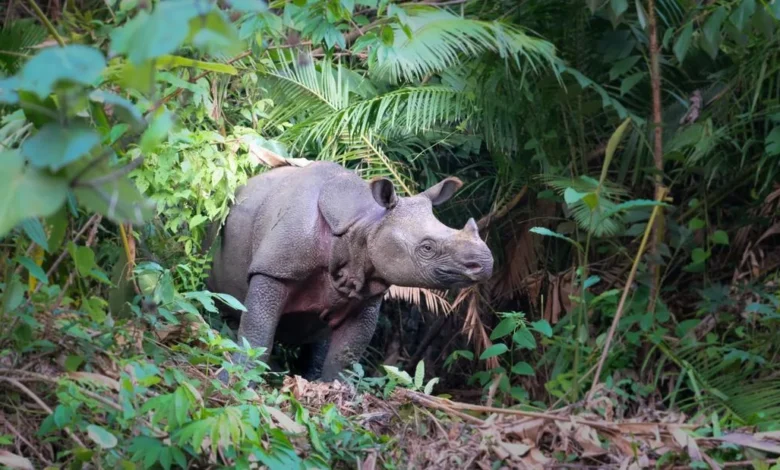
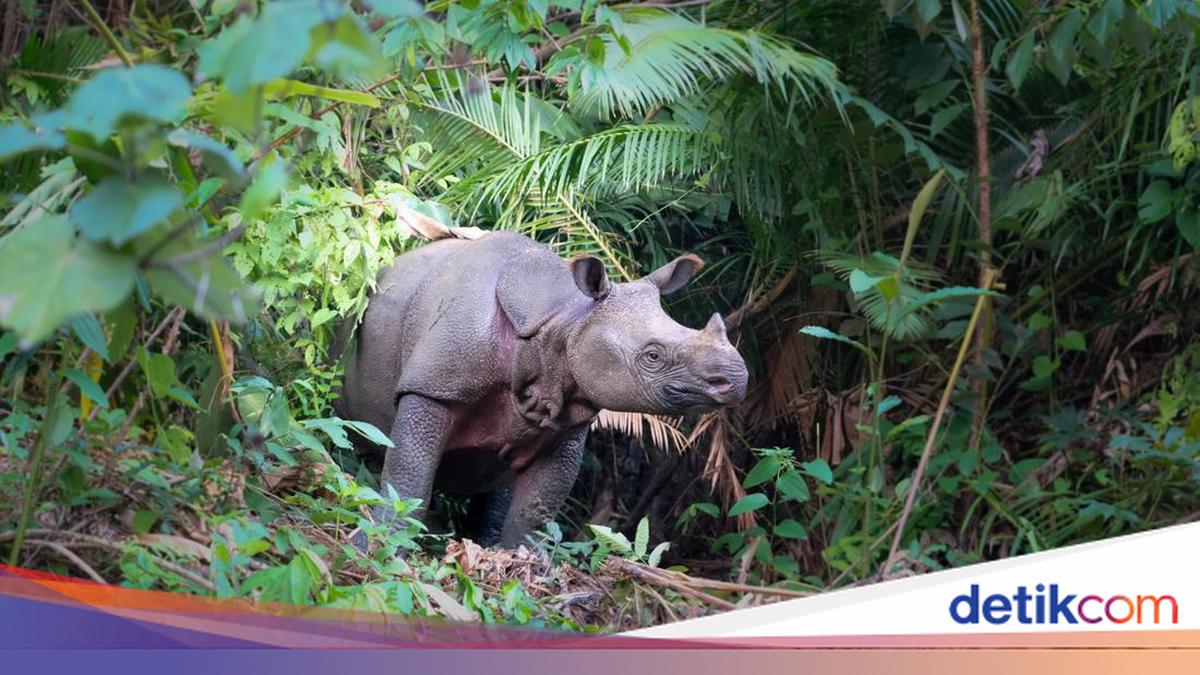
The Javan rhinoceros is far more than a critically endangered mammal lingering in the dense foliage of Southeast Asia; it is a profound national symbol that once intertwined its fate with the aspirations of Indonesian football on the global stage. While the physical counterpart of this majestic creature fights a silent battle for survival against mounting environmental threats, its animated avatar, Bacuya, famously accompanied the historic journey of the Indonesian national team into the FIFA World Cup ecosystem. This unique convergence of wildlife conservation and sports diplomacy highlighted a pivotal chapter in modern Indonesian history, bridging the gap between ecological urgency and athletic pride.
The Looming Crisis: A Precarious Future in Ujung Kulon
Today, the plight of the Javan rhinoceros has returned to the forefront of international discourse, driven by urgent discussions surrounding its habitat security. During the COP31 climate conference held in Antalya, Turkey, the Special Envoy of the President for Climate and Energy, Hashim Djojohadikusumo, unveiled a contentious and high-stakes proposal regarding the future of the species. According to the strategic outline, the sole remaining population of the Javan rhinoceros, currently confined to the Ujung Kulon National Park on the western tip of Java, faces an existential threat from natural disasters, most notably the volatile Anak Krakatau volcano.
"In Ujung Kulon, there is a Javan rhino sanctuary. There is a new problem with Mount Anak Krakatau. If there is a tsunami caused by an earthquake or volcanic eruption, our Javan rhinos could go extinct. Therefore, there is an idea to move a number of Javan rhinos to Alas Purwo," Djojohadikusumo stated during the international forum. Alas Purwo, situated on the southeastern extremity of East Java and facing the island of Bali, has been floated as a potential secondary sanctuary to mitigate the catastrophic risk of total eradication.
However, this proposition has ignited intense debate among conservationists, wildlife experts, and the general public. Environmental advocates have issued fervent appeals to reconsider or halt the relocation plan, emphasizing the delicate ecological balance required to sustain the species. With current population estimates placing the remaining number of Javan rhinoceroses at an alarming 80 to 100 individuals globally, any disruption to their natural habitat carries irreversible consequences. The vulnerability of these solitary herbivores underscores a broader narrative of human encroachment, climate volatility, and the relentless pressure placed on Indonesia’s rich biodiversity.
From Wilderness to World Stage: The Genesis of Bacuya
Long before the current relocation debates sparked public anxiety, the Javan rhinoceros captured the global imagination through an unexpected avenue: international football. When FIFA awarded Indonesia the hosting rights for the prestigious FIFA U-20 World Cup, tournament organizers and government officials sought a mascot that would authentically represent the nation’s cultural identity while championing conservation awareness. The result of this creative endeavor was Bacuya, a vibrant, modern personification of the Javan rhinoceros.
The nomenclature of Bacuya is derived from a deliberate linguistic acronym: Badak Cula Cahaya, translating to "Rhino with a Glowing Horn." The conceptual design of the mascot featured a youthful Javan rhinoceros adorned with a colorful, luminous horn. This glowing attribute was not merely aesthetic; it served as a powerful symbolic motif representing a defender of youthful expression, a guardian of emerging athletic talent, and a radiant beacon for the future of the sport.
When the official mascot was unveiled, former Football Association of Indonesia (PSSI) Chairman Mochamad Iriawan emphasized the universal appeal of the character. "Bacuya belongs to everyone, not just Indonesia. Hosting the FIFA U-20 World Cup will have a massive impact on the growth of football in Indonesia and Southeast Asia, and Bacuya will inspire a new generation of football fans," Iriawan remarked during the initial promotional rollout.
Although geopolitical and logistical complexities ultimately led to the cancellation of the U-20 tournament in Indonesia, the nation’s resilience was soon tested and rewarded when FIFA reassigned the hosting duties for the FIFA U-17 World Cup to the archipelago later that same year. Demonstrating continuity and national pride, the organizing committee retained Bacuya as the official face of the tournament.
The Cultural and Visual Philosophy of Bacuya
The integration of Bacuya into the identity of the FIFA U-17 World Cup was deeply rooted in Indonesian nationalism and geographical diversity. The mascot’s visual palette drew inspiration directly from the national flag, combined with the turquoise hues of the surrounding tropical seas and the dynamic ocean currents flowing across the thousands of islands constituting the archipelago. Furthermore, the crown worn by the mascot, featuring a football motif, encapsulated the universal passion for the game that transcends cultural and international boundaries.
PSSI Chairman Erick Thohir underscored the historical significance of hosting the tournament during the official launch, noting the profound enthusiasm of the local population. "It is an honor for us to be trusted to host a world football championship for the future generation of footballers. With 73% of Indonesia’s population loving football, I am optimistic that the FIFA U-17 will run successfully and bring many fans to the stadium. Moreover, this is the first time Indonesia is appearing in an event at the World Cup level. We are certainly welcoming it with great enthusiasm," Thohir stated.
Behind the vibrant exterior, the narrative backstory crafted for Bacuya carried a poignant psychological depth. According to official promotional releases, Bacuya was conceptualized as a remarkably shy and reserved young Javan rhinoceros. Despite an inherent timidity, an overwhelming sense of curiosity compelled the creature to venture out of the dense forest thickets and onto open grassy plains. Upon discovering football, a transformative phenomenon occurred: every time Bacuya engaged with the sport, its horn illuminated with brilliant, shifting colors.
This metamorphosis positioned Bacuya as a champion of marginalized voices and youthful vigor. The character was designed to symbolize the courage required to step into the light, mirroring the journey of young athletes overcoming self-doubt to perform on the world stage.
A Historic Milestone: Garuda Muda and the U-17 World Cup Campaign
The presence of Bacuya transcended mere commercial marketing; it served as a constant, symbolic companion for the Indonesian national youth team, widely known as Garuda Muda, managed by coach Bima Sakti. For the first time in history, an Indonesian football squad stepped onto the pitch in a FIFA World Cup fixture, carrying the hopes of a football-obsessed nation on their shoulders.

The tournament, hosted across multiple major cities in late 2023, placed Indonesia in Group A alongside formidable international opponents such as Morocco and Ecuador. The young Garuda squad displayed remarkable tenacity throughout the group stage matches. Ultimately, Indonesia secured two hard-fought points from three matches through two draws and a single defeat, finishing third in their respective group. While the campaign concluded in the group stage, the tournament marked an unprecedented milestone for national sports development, proving that Indonesian football could compete on the international radar.
Throughout the matches, from the packed stadiums to the official merchandise stores in Jakarta, Bacuya remained a ubiquitous presence. The mascot embodied the spirited efforts of the young players, forging an emotional connection between the country’s endangered wildlife heritage and its modern sporting ambitions.
Implications and the Urgent Call for Conservation
The conclusion of the FIFA U-17 World Cup naturally led to the retirement of Bacuya from the active sporting spotlight. However, the legacy of the mascot leaves behind a stark and sobering contrast. While the animated rhinoceros successfully galvanized millions of fans and international viewers, the real-world Javan rhinoceros continues to navigate a perilous existence, hidden deep within the shrinking canopies of Ujung Kulon.
The intersection of sport and conservation demonstrated through the narrative of Bacuya serves as a powerful reminder of humanity’s responsibility toward the natural world. The ongoing debates surrounding habitat relocation, volcanic threats, and population stagnation demand rigorous scientific scrutiny and decisive policy action.
As football enthusiasts and environmental advocates reflect on the historic journey of Indonesia’s youth team and their glowing rhinoceros mascot, the broader challenge remains clear. The Javan rhinoceros is not merely a relic of folklore or a convenient marketing emblem for international sports tournaments; it is a living, breathing testament to Indonesia’s unique biodiversity. Ensuring the survival of the actual Javan rhinoceros in an era of mounting environmental uncertainty requires the same collective courage, resilience, and global attention that Bacuya so vividly symbolized on the road to the World Cup.