Every September 9, the Indonesian nation commemorates Hari Olahraga Nasional (Haornas), or National Sports Day, a date that serves as a cornerstone for the country’s sporting identity. This annual observance is not merely a ceremonial nod to athletic achievement; it is deeply rooted in the foundational struggle of the Republic of Indonesia. The date was selected to honor the inauguration of the first Pekan Olahraga Nasional (PON) in Solo, Central Java, in 1948—a time when the nascent nation was striving to assert its sovereignty on both the domestic and international stages. As the nation celebrates the 43rd anniversary of the official Haornas proclamation in 2026, it serves as a critical juncture to evaluate the trajectory of Indonesian sports, from its post-independence origins to its current status as a pillar of national character, public health, and economic potential.
The Genesis: PON 1948 as a Statement of Sovereignty
The history of Indonesian sports is inextricably linked to the geopolitical challenges of the late 1940s. Following the proclamation of independence in 1945, the Indonesian government sought formal international recognition, a process that included aspirations to compete in the XIV Olympic Games in London in 1948. However, the international community, particularly the International Olympic Committee (IOC), required Indonesia to compete under the auspices of the Dutch colonial administration—a condition that the Indonesian leadership flatly rejected as an affront to their newly won independence.
Faced with administrative obstacles and a lack of international recognition, the Indonesian government, led by the Persatuan Olahraga Republik Indonesia (PORI), made a bold strategic decision: if they could not represent the nation in London, they would host their own national-scale sporting event to unify the people and demonstrate organizational capacity. Thus, the first Pekan Olahraga Nasional (PON) was inaugurated in Solo on September 9, 1948. The event, held amid the hardships of the post-revolutionary era, was more than a sports competition; it was a political statement. It successfully showcased that Indonesia possessed the administrative, logistical, and social cohesion required to manage a large-scale event, effectively signaling to the world that the Republic was a functioning state.
Official Proclamation and Legal Framework
While the spirit of National Sports Day has existed since 1948, its formalization as a national calendar event occurred decades later. On September 9, 1983, President Soeharto officially proclaimed the establishment of Hari Olahraga Nasional during the inauguration of the renovated Stadion Sriwedari in Surakarta. This site selection was highly symbolic, as the stadium had served as the primary venue for the inaugural 1948 PON.
The proclamation was later solidified into law through Presidential Decree (Keppres) Number 67 of 1985. This legal framework did more than just establish a date; it mandated that the government treat sports development as a continuous, vital aspect of national policy. By institutionalizing Haornas, the state aimed to shift the perception of sports from an occasional pastime to an essential element of public health, character building, and national unity. Since its inception in 1985, the government has used this date to launch national campaigns focusing on "sports as a culture," moving the focus beyond elite, professional competition to mass participation among the general citizenry.
Chronology of Indonesian Sporting Development
The evolution of Indonesian sports can be viewed through several distinct phases:
- 1945–1948 (The Formative Phase): The birth of national sporting organizations, culminating in the first PON.
- 1949–1960s (The Institutional Phase): Post-independence integration where sports were used to build national pride and diplomatic bridges with neighboring countries.
- 1970s–1980s (The Era of Formalization): The creation of the modern sports infrastructure, the establishment of the Ministry of Youth and Sports, and the official decree of Haornas.
- 1990s–2010s (The Professionalization Phase): The integration of global sports management standards, increased investment in high-performance training, and the rise of private sector sponsorship in sports.
- 2020s–Present (The Economic and Holistic Phase): A shift toward "sport tourism," the integration of digital health tracking, and the realization of sports as a major driver of the creative and wellness economy.
Beyond Medals: The Multifaceted Impact of Sport
In contemporary discourse, the Ministry of Youth and Sports (Kemenpora) emphasizes that the significance of Haornas has expanded beyond the podium. While winning gold medals at the Olympics or the SEA Games provides a massive morale boost, the current objective of the government is to foster a "sporting culture" that addresses the nation’s health challenges.
Data from the Indonesian National Health Survey indicates a direct correlation between regular physical activity and the reduction of non-communicable diseases, such as diabetes and hypertension, which are on the rise in urban centers like Jakarta. Consequently, Haornas has become a vehicle for public policy. The government’s recent initiatives focus on:
- Public Health: Encouraging daily physical activity to mitigate the sedentary lifestyle associated with rapid urbanization.
- Economic Growth: Leveraging events like the PON to drive "sport tourism." By hosting competitions in diverse locations—such as the recent focus on making Sumba Timur an etalase for sport tourism—the government aims to boost regional economies through infrastructure development and hospitality.
- Character Development: Utilizing competitive sports to instill discipline, teamwork, and resilience among the youth, who represent the demographic dividend of the nation.
Official Perspectives and Future Projections
The Ministry of Youth and Sports has repeatedly highlighted the necessity of sustainable funding to support these objectives. With a reported requirement of Rp1.5 trillion for the construction of advanced academies and centralized training facilities, the government is looking to balance state funding with private sector partnerships. This investment is not seen as an expenditure but as an essential capital outlay to ensure that Indonesia can remain competitive on the international stage while fostering a healthier society at home.
The Minister of Youth and Sports has often remarked that the true success of Haornas should not be measured by the extravagance of its commemoration, but by the increase in the number of citizens who choose to integrate physical activity into their daily routines. The "Sport Tourism" model, exemplified by the upcoming hosting of beach-based sporting events in Ancol, reflects a modern approach to integrating sports into the broader national economy. By transforming sports into a destination-based industry, the government expects to see long-term benefits in job creation and regional infrastructure maintenance.
The 2026 Commemoration: A Milestone of 43 Years
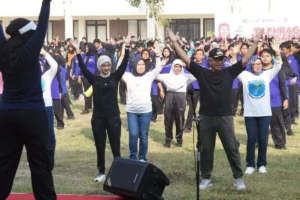
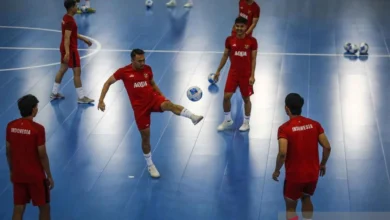
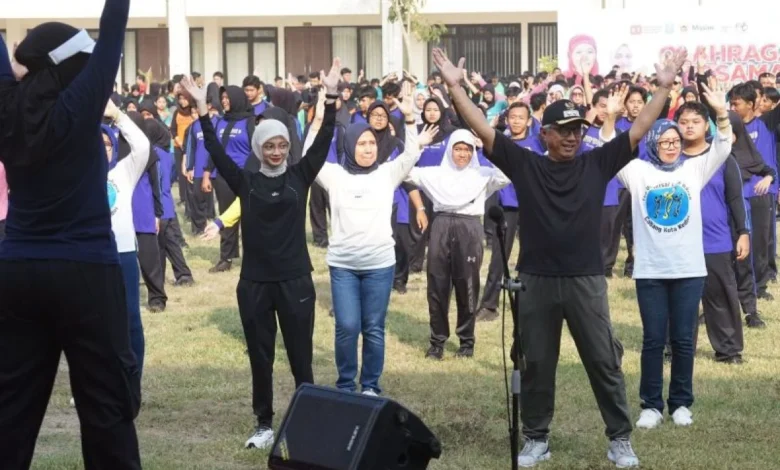
As of 2026, the 43rd anniversary of the official proclamation of Haornas serves as a reminder of the continuity of the Indonesian spirit. Wednesday, September 9, 2026, is marked by various community-driven events, ranging from national marathon series to school-based sports programs. These activities are designed to democratize access to sports, ensuring that the legacy of the 1948 PON is accessible to all segments of society, regardless of age or athletic ability.
The commemoration also serves as an analytical checkpoint. Experts in sports management observe that while Indonesia has made significant strides in hosting international events, the challenge remains in the "grassroots-to-elite" pipeline. Creating a seamless transition from local community sports to professional athletics is the primary hurdle for the next decade. The government’s push for advanced training academies is a direct response to this need, aiming to provide a structured environment for budding talents to flourish without the administrative, financial, or geographical constraints that hindered their predecessors in the 1940s.
The Broader Implications for National Unity
Historically, sports in Indonesia have functioned as a "great equalizer." In a country of vast geographical diversity, sporting events like the PON serve to bridge regional divides, bringing together athletes and fans from Aceh to Papua. This sense of unity is a fundamental element of the national identity. During times of internal tension or national crisis, the collective support for the national team—whether in football, badminton, or weightlifting—has proven to be a potent force for cohesion.
As the nation looks toward the future, the integration of technology into sports—such as the use of data analytics for performance optimization and digital platforms for tracking public health metrics—is expected to define the next era of development. The evolution of Haornas from a singular historical event to a multidimensional national movement underscores the adaptability of the Indonesian state.
Conclusion
The commemoration of Hari Olahraga Nasional on September 9 remains one of the most significant dates in the Indonesian calendar. It is a day that bridges the gap between the revolutionary fervor of 1948 and the professional, health-conscious, and economically driven sports industry of the 21st century. By honoring the pioneers of the first PON, the nation reaffirms its commitment to the values of discipline, health, and unity.
As Indonesia moves forward, the success of its sporting endeavors will depend on the continued partnership between the government, the private sector, and the public. Whether through the professionalization of athlete training or the simple act of a citizen engaging in daily exercise, the legacy of Haornas lives on in every stride taken toward a healthier, more competitive, and more unified nation. The journey that began in the heart of Solo nearly eight decades ago continues to evolve, proving that for Indonesia, sports are not just a game, but a vital component of the national journey toward progress and prosperity.