The Dawn of a New Era: Los Angeles Lakers Face a LeBron James-Less Future in the 2026/2027 NBA Season

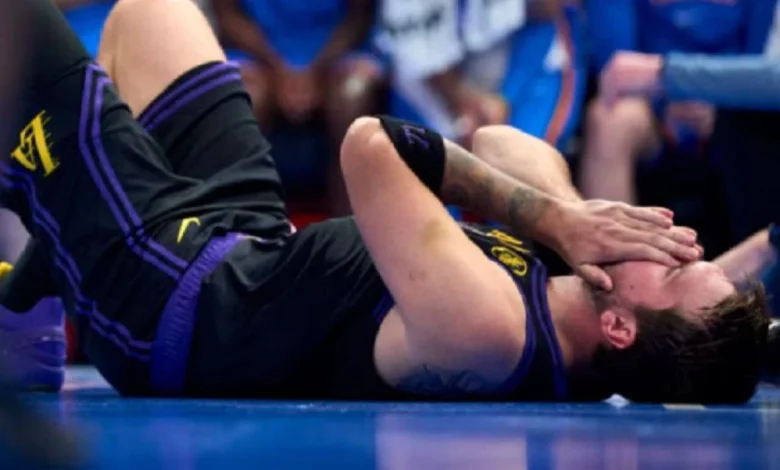
The Los Angeles Lakers are entering the 2026/2027 NBA season under the most significant shift in franchise identity in nearly a decade. For the first time since the 2018/2019 campaign, the purple and gold will take the court without the presence of LeBron James. Following his departure to the Philadelphia 76ers, the Lakers are navigating a complex transition from a superstar-centric model to a team-oriented approach built around the tactical brilliance of Luka Doncic. As the league prepares for tip-off on October 20, 2026, the global basketball community is watching closely to see if the Lakers can maintain their status as a championship contender in a hyper-competitive Western Conference.
The departure of James, now 41, is not merely a personnel change; it is the conclusion of an eight-year cultural epoch in Los Angeles. While James’s exit leaves a palpable void in leadership and veteran experience, the organization has spent the off-season aggressively recalibrating its roster. The front office, led by executive management, has pivoted toward a younger, more athletic core designed to complement Doncic’s high-usage, high-IQ style of play.
The Opening Act: A High-Stakes Debut
The Lakers’ path to redemption begins in earnest on Wednesday, October 21, 2026 (local time), at the Crypto.com Arena. The season opener against the Golden State Warriors serves as a litmus test for the new-look squad. This matchup, set for 7:00 PM Pacific Daylight Time, will be the first opportunity for head coach JJ Redick to showcase his revamped system.
Historically, season openers are more than just games; they are tone-setters. For the Lakers, this game is an exercise in proving that their offensive fluidity does not suffer without James’s gravity. The challenge against a seasoned Warriors team, known for its perimeter shooting and intricate off-ball movement, will test the defensive chemistry of the Lakers’ new roster additions.
Statistical Reality: Building on a Solid Foundation
The 2025/2026 season provided a baseline of performance that suggests the Lakers are not in a rebuilding phase, but rather a retooling one. Finishing the regular season with a 53-29 record and securing the fourth seed in the Western Conference demonstrated that the team possesses an elite floor. However, the 4-0 sweep at the hands of the Oklahoma City Thunder in the Western Conference Semifinals exposed systemic flaws that the front office has been working to address throughout the summer.
Statistically, the Lakers were a high-octane unit last year, averaging 116.3 points per game. Yet, the defense—conceding 114.6 points per game—proved to be their undoing. The inability to stop high-efficiency offenses, particularly during the playoff series against the Thunder, highlighted a lack of perimeter length and interior rim protection. The management’s focus this off-season on acquiring defensive specialists suggests a clear mandate: the Lakers must improve their defensive rating to bridge the gap between being a playoff participant and a title favorite.
Luka Doncic: The Singular Engine
Luka Doncic is no longer just a marquee star; he is the undisputed heartbeat of the franchise. After winning his second league scoring title in 2025/2026 and earning a unanimous All-NBA First Team selection, the Slovenian guard enters the 2026/2027 season with the weight of expectation squarely on his shoulders.
Doncic’s ability to manipulate defensive schemes is unparalleled. In the coming season, opposing teams will likely employ even more aggressive double-teams, daring secondary players to beat them. This is where the development of Austin Reaves becomes critical. Reaves, who posted a career-high 23.3 points per game last season, is expected to step into a secondary playmaking role. Their partnership has already shown flashes of brilliance; the team boasted a 30-11 record when both were on the floor together last year. The chemistry between these two guards will define the Lakers’ offensive efficiency in the half-court set.
Roster Transformation: The New Supporting Cast
The Lakers’ aggressive moves during the off-season were calculated to bolster the team’s defensive backbone and perimeter shooting. The arrival of Walker Kessler is perhaps the most vital addition. Kessler, a formidable rim protector, provides the defensive anchor the Lakers lacked against elite interior scorers.
Furthermore, the acquisition of Matisse Thybulle adds a perimeter lockdown defender who can mitigate the loss of Marcus Smart’s grit. On the offensive end, additions such as Collin Sexton, Quentin Grimes, and Jaden Hardy provide the necessary spacing for Doncic to operate. By moving on from veterans like Deandre Ayton and Rui Hachimura, the Lakers have prioritized a more dynamic, faster-paced style of play that aims to keep opponents on their heels.
Coaching Under Pressure: The JJ Redick Factor
For head coach JJ Redick, this season is the defining test of his career. Moving from a broadcast analyst role to the head coaching chair is a challenge, but succeeding with a post-LeBron Lakers squad is a monumental task. Redick’s challenge lies in managing the workload of his starters—specifically Doncic and Reaves—while integrating a roster that features eight new players.
The success of the Redick system will be measured by its adaptability. Without the luxury of relying on James’s veteran intuition, the team must play with a higher degree of discipline and execution. Redick has emphasized a "read-and-react" offense that relies on ball movement rather than isolation play. Whether the players can translate this philosophy into consistent wins will determine the team’s ceiling.
The Competitive Landscape of the West
The path to the NBA Finals remains treacherous. The Western Conference has evolved into an arms race, with several franchises boasting championship-caliber rosters. The Oklahoma City Thunder, fresh off a 64-win season, remain the team to beat. Meanwhile, the San Antonio Spurs, led by the generational Victor Wembanyama, are poised for a title run following their 2026 Finals appearance.
The Denver Nuggets continue to present a constant threat with Nikola Jokic, and the Minnesota Timberwolves have added LaMelo Ball to their backcourt, creating a dangerous dynamic with Anthony Edwards. In this environment, every win in the regular season carries significant weight. The goal for the Lakers is clear: secure a top-six seed to avoid the unpredictable nature of the play-in tournament.
Emotional Milestones and Long-Term Implications
Perhaps the most anticipated date on the calendar is December 25, 2026. The Christmas Day showdown against the Philadelphia 76ers will mark LeBron James’s first return to the Crypto.com Arena as an opponent. While the game will undoubtedly be a sentimental spectacle for fans, it also serves as a symbolic marker of the transition.
Beyond the emotions, the 2026/2027 season is an existential moment for the Lakers organization. The goal is to prove that the franchise is bigger than any one player. If the Lakers can successfully blend the playmaking of Doncic with the improved defensive presence of Kessler and the scoring growth of Reaves, they will dispel the narrative that they were merely a "LeBron-dependent" team.
Analyzing the Path Forward
The Lakers’ success hinges on three distinct variables:
- Defensive Efficiency: Can the team move from the bottom half of the league in defensive rating to the top 10?
- The "Next Man Up" Rotation: Can the bench unit, featuring Sexton and Hardy, maintain leads when the starters are resting?
- Availability: Can Doncic and Reaves stay healthy through an 82-game grind?
The internal analysis within the Lakers organization suggests a cautious optimism. While the loss of a player of James’s caliber is impossible to fully replace, the focus has shifted toward building a deeper, more cohesive unit. By distributing the offensive load and committing to a high-energy defensive system, the Lakers aim to remain a relevant force in the Western Conference.
As the season begins, the Lakers are essentially writing a new chapter. The era of James is now part of the franchise’s storied history, but the future remains unwritten. For the fans in Los Angeles, the question is no longer who will replace the legend, but rather, what kind of team can be built in his absence. The answers will begin to unfold on the hardwood this October, as a new generation of Lakers looks to solidify their place among the NBA’s elite. The transition is undeniably difficult, but the potential for a rejuvenated, more balanced team is the fuel driving the organization forward in the 2026/2027 campaign.
Related posts: