The Hidden Health Hazard Inside Your Daily Tumbler: Why Washing It Every Single Day Is Non-Negotiable

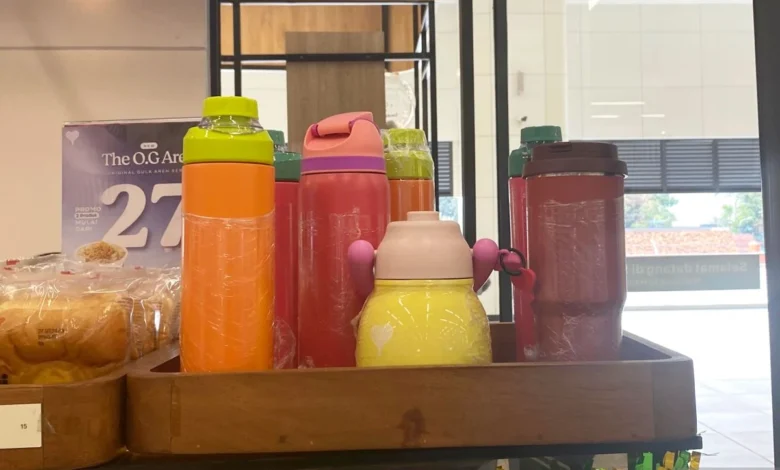
Carrying an eco-friendly tumbler or reusable water bottle during daily commutes, office hours, and workouts has firmly cemented itself as a modern lifestyle staple. Driven by a collective global consciousness to drastically reduce single-use plastic waste, millions of consumers now rely on these portable containers to stay hydrated on the go. However, nestled beneath this environmentally conscious habit lies a pervasive question that is far too often ignored or dismissed out of sheer convenience: Do you really need to wash your tumbler every single day, even if it is only filled with plain water? The definitive answer from health authorities and microbiological experts is a resounding and emphatic yes.
While refreshing plain water appears undeniably clean, clear, and pure, a reusable tumbler utilized continuously throughout the day rapidly transforms into an incubator for an array of microorganisms. Every single time an individual takes a sip from their bottle, a biological transfer occurs. Microscopic flora, stray food particles, saliva, and ambient bacteria from the mouth, lips, and hands inevitably migrate to the mouthpiece, sip-valve, or straw.
Understanding the Microbiological Evolution Within Reusable Bottles
The internal environment of a sealed or semi-sealed tumbler is characterized by constant moisture, dark conditions, and often trapped ambient heat. This combination creates an ideal habitat for bacteria, fungi, and mold to proliferate at astonishing rates. Microbiological studies examining unwashed or poorly maintained reusable water bottles have repeatedly yielded alarming results. Laboratory analyses frequently demonstrate that the bacterial load inside a bottle left unwashed for just 24 hours can skyrocket exponentially, in many cases surpassing the concentration of bacteria found on an average household toilet seat.
When humans introduce organic matter into a warm, enclosed container, microbial colonization begins almost immediately. Skin cells from the hands touching the lid, airborne pathogens entering when the cap is unscrewed, and oral bacteria introduced during drinking all combine to form a complex microbial ecosystem. Without regular sanitization, this ecosystem matures rapidly, moving from simple contamination to a more resilient biological threat.
The Formation of Biofilm and Direct Health Consequences
The dangers of neglecting daily tumbler hygiene extend far beyond unpleasant odors or a strange, stale taste to the drinking water. Over time, accumulated bacteria begin to secrete an extracellular polymeric substance, binding themselves together to form a thin, slippery layer known scientifically as biofilm. Once a biofilm establishes itself on the interior walls of a stainless steel, plastic, or glass tumbler, standard rinsing with cold water becomes entirely ineffective at removing it.
The presence of this microbial biofilm harbors tangible health risks. Ingesting water contaminated by accumulated bacterial colonies and fungal spores can trigger a range of gastrointestinal distress symptoms. Consumers frequently report unexplained stomach aches, acute bouts of diarrhea, persistent nausea, and broader digestive tract infections. These health risks are amplified significantly when tumblers are utilized to store beverages other than plain water. Liquids rich in sugars, proteins, and fats—such as milk, sweetened coffee, flavored teas, and fresh fruit juices—drastically accelerate the decomposition process and provide a nutrient-dense breeding ground that supercharges bacterial and fungal growth within hours.
The Evolution of the Reusable Bottle Phenomenon: Context and Cultural Shift
To fully understand the current public health debate surrounding tumbler hygiene, it is necessary to examine the broader cultural evolution of the reusable bottle market. Over the past decade, and particularly accelerated by the post-pandemic focus on health alongside sustainability, the global market for insulated stainless steel tumblers has exploded. Driven heavily by younger demographics, including Generation Z, carrying a branded, aesthetically pleasing tumbler has transformed from a mere practical utility into a cultural status symbol and fashion accessory.
Social media platforms are saturated with content dedicated to tumbler collections, color coordination, and customization stickers. However, while marketing campaigns heavily emphasize thermal retention, durability, and stylistic expression, consumer education regarding rigorous daily maintenance has historically lagged behind. Users invest heavily in high-end drinkware but often treat them with the same casual maintenance approach reserved for traditional glassware, occasionally going days or weeks with nothing more than a quick rinse under the tap.
Proper Decontamination Techniques: Beyond the Basic Rinse
Public health bodies, including the Centers for Disease Control and Prevention (CDC) and consumer safety organizations, have continually stressed that rinsing a tumbler with plain tap water is entirely insufficient for eliminating harmful pathogens. Effective daily cleaning requires a systematic approach utilizing hot water and dedicated dish soap.
Health and sanitation experts recommend the following protocol for comprehensive tumbler maintenance:
- Complete Disassembly: Every removable component—including built-in straws, silicone sip-valves, O-rings, and rubber gaskets (seals) located within the lid—must be completely detached. These microscopic folds, crevices, and rubber linings are primary blind spots where black mold spots and bacterial colonies notoriously hide and thrive.
- Mechanical Scrubbing: Using a dedicated bottle brush with firm bristles is essential to physically reach and scrub the deep interior base and inner corners of the container, where residues naturally settle.
- Thorough Drying: Once washed and rinsed thoroughly with clean water, every component must be left completely air-dried in a separate configuration before reassembly. Trapping moisture inside a reassembled, damp tumbler effectively restarts the microbial cultivation cycle before the bottle is even used again.
Broader Public Health Implications and Industry Response
As awareness surrounding the invisible hazards of unwashed drinkware grows, public health advocates are calling for clearer labeling and instructional care guides from manufacturers. The juxtaposition between the environmental imperative to ditch single-use plastics and the public health necessity of rigorous sanitation highlights a complex modern challenge.
While the ecological benefits of reusable tumblers remain undisputed in the fight against global plastic pollution, consumers must bridge the gap between environmental responsibility and personal hygiene. Treating a personal water bottle with the same rigorous cleaning standards applied to kitchen tableware is no longer just a recommendation for freshness—it is a vital preventative measure to safeguard everyday digestive health.
Related posts: