Jakarta — The behavioral quirks of domestic felines frequently oscillate between endearing and deeply perplexing to their human companions. Among the most common observations by pet owners is a seemingly inexplicable fascination that cats exhibit toward sweet foods, ranging from ice cream and pastries to sugary dairy products and baked goods. This phenomenon routinely prompts a fundamental question among cat owners: Can cats actually taste sweetness? Scientific research and veterinary physiology provide a definitive answer to this query: No, felines cannot taste sweet flavors. This biological reality raises an even more intriguing follow-up question regarding why cats are frequently drawn to foods containing high amounts of sugar despite lacking the physiological machinery to appreciate them.
The exploration of the feline palate requires a comprehensive look at evolutionary biology, genetics, and comparative mammalian physiology. While humans, dogs, and bears possess a well-developed capability to detect sweet compounds—an evolutionary trait linked to the identification of energy-rich carbohydrates and ripe fruits—cats occupy a completely different branch of the mammalian tree. Understanding this dietary disconnect sheds light not only on feline behavioral patterns but also on the critical importance of proper nutritional management for domestic pets.
The Genetic Basis of Feline Taste Perception
The inability of cats to experience sweetness is rooted deeply in their genetic code. The perception of taste relies on specialized protein receptors located on the tongue within structures known as taste buds. These receptors bind to specific chemical compounds in food, transmitting signals to the brain that categorize tastes into primary profiles such as sweet, salty, sour, bitter, and umami.
In humans and many other omnivores and herbivores, the detection of sweet tastes is facilitated by a pair of genes known as Tas1r2 and Tas1r3. These genes encode two distinct proteins that must combine to form a functional sweet taste receptor. However, evolutionary genetic studies have revealed that the domestic cat—along with other members of the carnivorous order Carnivora, such as lions, tigers, and even sea lions—possesses a significant mutation in the Tas1r2 gene.
In felines, this gene has become a pseudogene, meaning it has suffered mutations that render it non-functional. Consequently, cats are unable to produce the necessary proteins to assemble a complete sweet taste receptor. While they retain the Tas1r3 gene, it cannot function independently to detect sugars. As a result, the sensory experience of sweetness is entirely absent from the feline gustatory world. Foods that humans perceive as intensely sugary, such as table sugar, syrups, and confections, register neutrally or differently on a cat’s tongue.
Obligate Carnivores and Dietary Evolution
This evolutionary loss of the sweet taste receptor is not an accidental genetic flaw, but rather a direct consequence of the specialized dietary niche occupied by felines. Cats are classified as obligate carnivores, meaning their biological systems are strictly adapted to derive essential nutrients exclusively from animal tissue. In the wild, the ancestral diet of the domestic cat consisted almost entirely of small prey, such as rodents, birds, reptiles, and insects.
Because prey animals contain very few carbohydrates and sugars, wild felines had no evolutionary pressure or dietary need to detect sweet substances. Over millions of years of evolutionary specialization, genes dedicated to processing plant-based materials, complex carbohydrates, and simple sugars gradually degenerated through a process known as molecular evolution by neutral mutation. The metabolic pathways of cats are consequently optimized for processing high-protein and high-fat diets, while their ability to utilize carbohydrates is notably limited compared to omnivores like dogs or humans.
Comparative Taste Bud Anatomy
Beyond the specific absence of the sweet receptor gene, the overall architecture of the feline sensory apparatus differs markedly from that of humans. Taste perception is quantitatively and qualitatively restricted in cats due to a lower density and number of sensory organs on the tongue.
Clinical and anatomical studies indicate that adult humans possess an average of approximately 9,000 taste buds distributed across the tongue, soft palate, and pharyngeal regions. In stark contrast, domestic cats possess a drastically reduced number of taste buds, typically hovering around just 470 to 500. This stark disparity means that a cat’s overall gustatory sensitivity is vastly inferior to that of humans.
Despite having fewer taste buds, cats are fully equipped to perceive other primary taste modalities that hold survival significance for a carnivorous predator. These include:
- Saltiness: Cats can detect sodium and other mineral salts, though their threshold is generally adapted to the natural saline content found within animal blood and tissues.
- Sourness: This taste modality helps felines detect acidity, which can signal spoilage, fermentation, or bacterial contamination in potential food sources.
- Bitterness: Cats exhibit a remarkably high sensitivity to bitter compounds. From an evolutionary standpoint, this heightened sensitivity serves as a crucial defense mechanism, as many toxic plants, venoms, and poisonous compounds naturally taste bitter.
- Umami: Often described as a savory or meaty taste, umami is detected by receptors that respond to amino acids such as glutamate. This taste profile is exceptionally prominent and attractive to cats, as it directly signals the presence of fresh protein and animal tissue.
Why Do Cats Seem Interested in Sweets?
Given that cats cannot taste sugar, the common household observation of a cat eagerly licking a bowl of ice cream, sniffing a pastry, or trying to sample a piece of cake requires an alternative explanation. Veterinary behaviorists and feline nutritionists emphasize that a cat’s interest in human desserts is almost never driven by the sugar content itself. Instead, cats are attracted to other sensory and nutritional attributes present in those foods.
Texture, Fat, and Aroma
Many human desserts, particularly ice cream, whipped cream, butter-based frostings, and custards, are exceptionally rich in animal fats and dairy proteins. While cats cannot detect the sugar, they possess a keen sensitivity to fats and proteins. The creamy texture, rich mouthfeel, and distinct aromatic compounds of dairy and fats can strongly stimulate a cat’s curiosity and appetite.
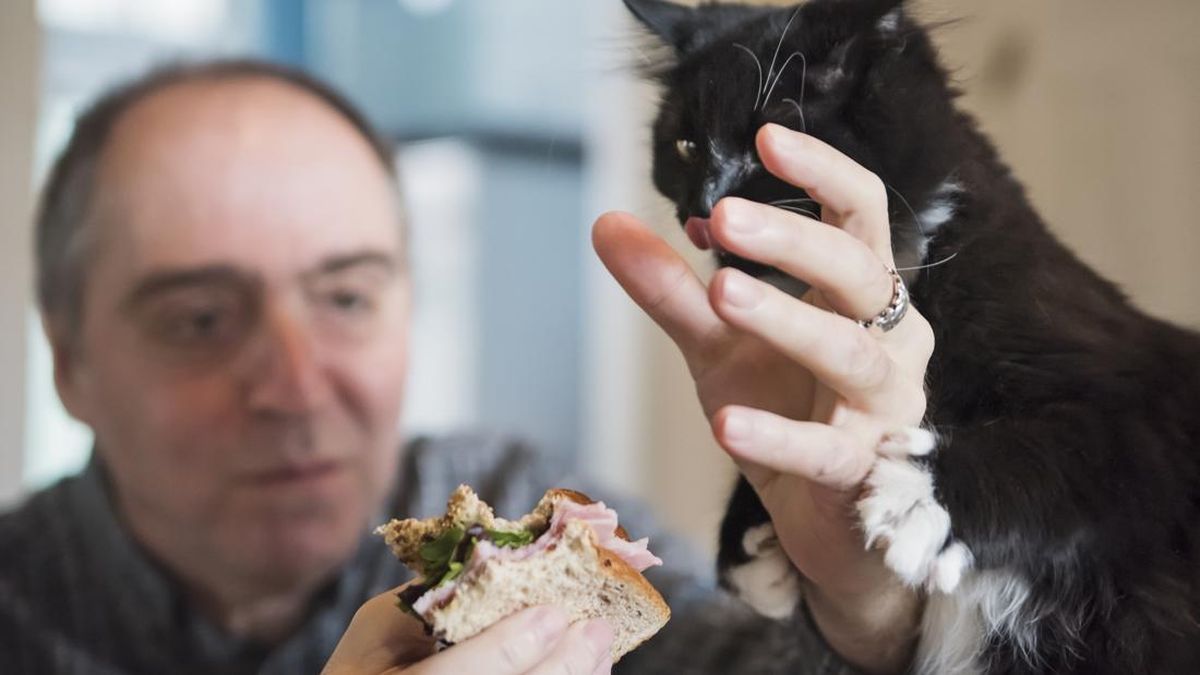
Furthermore, many sweet items contain animal-derived byproducts or fats that trigger the cat’s innate attraction to protein-rich or fatty substances. For instance, ice cream contains dairy fats and proteins that release appealing aromas of milk and cream, which a cat can easily detect through its highly sophisticated olfactory system. Olfaction, or the sense of smell, plays a vastly more dominant role in governing feline feeding behavior than taste alone.
The Appeal of Temperature and Moisture
In some instances, the physical properties of the food attract the cat rather than its chemical composition. For example, a cold treat like ice cream on a warm day may attract a cat due to its temperature and moisture content, or simply out of feline inquisitiveness toward whatever their human companion is consuming. Cats are notoriously curious creatures, and their exploratory behavior often involves investigating novel items in their environment using their sense of smell, whiskers, and tongue.
Nutritional Implications and Health Risks
Although felines may be drawn to the sensory qualities of certain human foods, veterinary professionals issue strong warnings against feeding sweet or high-carbohydrate human foods to cats. Even though cats cannot taste sugar, the metabolic consequences of consuming sugary or starchy foods remain highly detrimental to their physiological well-being.
Metabolic Processing of Carbohydrates
Unlike omnivores, cats lack adequate levels of certain liver enzymes, such as glucokinase, which are necessary to efficiently process large influxes of glucose and carbohydrates. When a cat consumes foods high in sugar and refined carbohydrates, its system struggles to regulate blood glucose levels effectively. Chronic consumption of high-carbohydrate diets can lead to persistent hyperglycemia, placing undue stress on the pancreas and insulin-producing cells.
Obesity and Diabetes Mellitus
The most immediate and prevalent health risks associated with feeding human desserts and table scraps to cats are feline obesity and secondary diabetes mellitus. Obesity is recognized by veterinary organizations worldwide as one of the most significant health crises affecting domestic pets, predisposing them to a cascade of secondary medical conditions, including:
- Joint degeneration and osteoarthritis
- Hepatic lipidosis (fatty liver disease)
- Lower urinary tract diseases
- Compromised immune function
- Significantly shortened life expectancy
Feline diabetes mellitus closely mirrors type 2 diabetes in humans, characterized by insulin resistance or insufficient insulin production. Obese cats are significantly more vulnerable to developing diabetes, requiring lifelong veterinary management, strict dietary regulation, and regular insulin injections.
Toxic Ingredients in Human Desserts
Beyond the risks of sugar and fat, many human desserts contain specific ingredients that are overtly toxic or lethal to felines. Common baking and confectionery additives include:
- Chocolate: Contains theobromine and caffeine, both of which are toxic to cats and can cause severe neurological and cardiovascular complications.
- Xylitol: A common artificial sweetener found in sugar-free gums, candies, and baked goods. Even small amounts of xylitol can induce rapid, life-threatening hypoglycemia and acute liver failure in pets.
- Allium family plants: Ingredients such as garlic or onion powders, occasionally used in certain sweet-savory fusions or processed foods, destroy feline red blood cells and cause Heinz body anemia.
- Dairy intolerance: While many cats are stereotypically depicted drinking milk, adult felines generally lose the ability to produce sufficient lactase, the enzyme required to break down lactose. Consuming dairy-heavy desserts frequently results in gastrointestinal distress, including vomiting, diarrhea, and abdominal pain.
Expert Recommendations for Feline Nutrition
In light of these physiological realities and health risks, veterinary authorities emphasize the importance of maintaining species-appropriate nutrition for domestic cats. Pet owners are strongly advised to refrain from offering human desserts, candies, or sugary table scraps as treats, regardless of how enthusiastic the cat’s apparent interest may appear.
If owners wish to reward their pets or provide supplemental snacks, veterinary nutritionists recommend utilizing commercially prepared treats specifically formulated for felines. These products are generally manufactured using high-protein, meat-based ingredients that align with the biological requirements of an obligate carnivore. Single-ingredient freeze-dried meat treats—such as pure chicken, liver, or fish—represent optimal alternatives that satisfy a cat’s natural cravings for umami and protein without introducing harmful sugars, fats, or toxic additives.
Conclusion
The inability of cats to taste sweetness serves as a fascinating reminder of the specialized evolutionary pathway that defines the feline species. While their curiosity may occasionally lead them toward human desserts, this behavior is governed by an attraction to fats, proteins, aromas, and textures rather than sugar. Recognizing that cats lack the biological machinery to process and appreciate sweets underscores the responsibility of pet owners to protect their animal companions from the hidden dangers of high-carbohydrate human foods. By adhering to species-appropriate diets and avoiding sugary handouts, owners can safeguard their cats against the severe long-term risks of obesity, diabetes, and nutritional toxicity, ensuring a healthier and longer life for their feline companions.