Minister of Tourism Highlights Strategic Opportunity of 2026 Lunar New Year and Ramadan Overlap for Tourism Boost

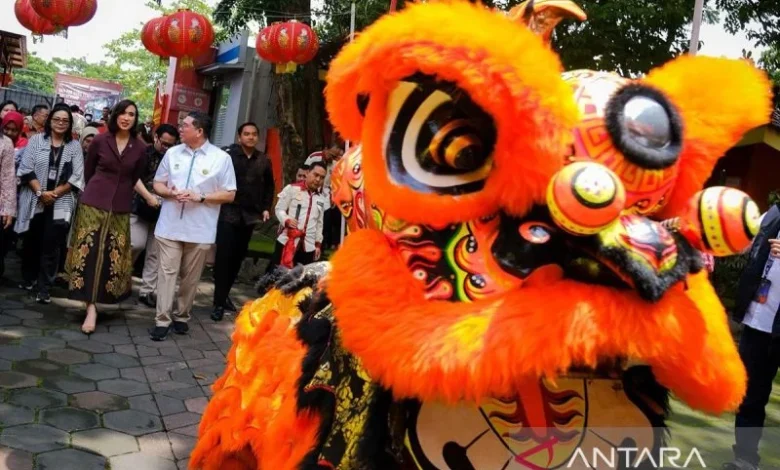
Jakarta (ANTARA) – The confluence of the Lunar New Year holiday and the commencement of Ramadan in 2026 presents a strategically significant window for Indonesia to invigorate both domestic and international tourist movements, fostering longer stays and increased economic benefits. Minister of Tourism Widiyanti Putri Wardhana emphasized this potential, urging the tourism industry to capitalize on the extended holiday period.
"The Ministry of Tourism views the momentum of the Lunar New Year holiday coinciding with the early days of Ramadan as a strategic opportunity for tourist movement," Minister Widiyanti stated in a recent interview with ANTARA in Jakarta. "We urge stakeholders in the tourism industry to provide excellent service to tourists enjoying the long weekend of the 2026 Lunar New Year."
The Indonesian government has officially designated Monday, February 16, 2026, as a collective leave day for the Lunar New Year. This date, falling adjacent to the weekend, effectively creates a four-day long weekend for many. This extended break, coupled with potential use of annual leave, offers a substantial period for travel, a factor the Ministry believes can significantly stimulate the national tourism sector.
Strategic Timing for Enhanced Tourism
The timing of the 2026 Lunar New Year holiday is particularly noteworthy. Falling on February 14th (Saturday), with the official collective leave on February 16th (Monday), it creates a natural long weekend. The proximity to the anticipated start of Ramadan, which is projected to begin around February 18th or 19th, 2026 (exact dates depend on moon sighting), means that the holiday period will not significantly overlap with the core fasting days for observant Muslims. This distinction is crucial, as it allows for a broader appeal to diverse tourist demographics without the primary religious observance of Ramadan directly impacting pre-fasting holiday plans.
Minister Widiyanti highlighted the importance of this timing for tourism planning. "Mapping out these long weekend periods is crucial for the public to plan their journeys in advance, helping to avoid extreme congestion at specific times and also benefiting workers and their families," she explained. The Ministry’s foresight in identifying this strategic window underscores a proactive approach to tourism management.
Government Initiatives and Domestic Tourism Push
To further encourage domestic travel, the Ministry of Tourism is actively promoting the #DiIndonesiaAja (Just In Indonesia) campaign. This initiative aims to inspire Indonesians to explore the diverse attractions within their own country, emphasizing the importance of safety, comfort, and the sustainability of tourist destinations. The campaign seeks to leverage the extended holiday period to foster a deeper appreciation for Indonesia’s rich cultural heritage and natural beauty.
The Ministry’s strategy extends beyond mere encouragement. It involves a multi-faceted approach to marketing and collaboration. The Ministry is focused on strengthening thematic campaigns that link the Lunar New Year and Ramadan observances, framing them as opportunities for family travel and niche interest tourism. Particular attention is being paid to destinations that offer distinct Lunar New Year attractions, as well as those that are recognized as Muslim-friendly, catering to a wider range of traveler preferences.
Leveraging Digital Marketing and Data
In the digital realm, the Ministry of Tourism is optimizing data-driven promotional efforts. By mapping market interests and travel patterns, the Ministry aims to ensure that promotional messages are precisely targeted. This includes encouraging tourists to explore alternative destinations, thereby dispersing visitor numbers and alleviating pressure on heavily frequented hotspots. This data-centric approach is vital for maximizing the reach and effectiveness of marketing campaigns in an increasingly competitive global tourism landscape.
Industry Collaboration and Package Development
A cornerstone of the Ministry’s strategy is robust collaboration with industry players, regional governments, and travel platforms. This partnership aims to curate attractive travel packages, organize thematic events, and develop special promotions for the Lunar New Year long weekend. These initiatives are designed to be integrated into regional activity calendars, providing a seamless and engaging experience for travelers.
The Ministry is also prioritizing clear public communication regarding destination readiness, travel comfort, and the availability of options that align with traveler needs during the transition period leading into Ramadan. This proactive communication aims to build traveler confidence and manage expectations.
Economic Implications and Broader Impact
The anticipated increase in tourist movements is expected to have a significant positive ripple effect on regional economies and the Small and Medium Enterprises (SMEs) sector. A more even distribution of tourist activity across various destinations can lead to more widespread economic benefits, supporting local businesses and creating employment opportunities. The Ministry’s focus on alternative destinations aims to ensure that this economic uplift is not concentrated in a few major hubs but is spread more equitably across the archipelago.
The concept of "length of stay" is a key metric for the Ministry. By encouraging longer visits, the aim is to increase per-tourist spending and maximize the economic contribution of each visitor. This aligns with a broader goal of developing a more sustainable and impactful tourism industry that benefits local communities.
Background Context: Tourism as an Economic Driver
Indonesia has long recognized tourism as a vital pillar of its economy. The Ministry of Tourism and Creative Economy, under its current leadership, has been actively working to boost both international and domestic tourism figures. Prior to the 2026 holiday period, the Ministry has been involved in various initiatives, including reviewing the readiness of destinations for peak seasons, such as the Lunar New Year, and encouraging sustainable practices within the hospitality sector. For instance, previous reports indicate discussions around waste management in hotels, underscoring a commitment to responsible tourism.
The Ministry has also been engaged in diplomatic efforts to strengthen international tourism ties. This includes exploring opportunities for increased flight connectivity with other nations, as demonstrated by past discussions with South African tourism officials. Furthermore, there’s an ongoing effort to promote lesser-known destinations, moving beyond the established tourist trails to showcase the full diversity of Indonesia’s offerings.
Safety and Sustainability: Foundational Pillars
The Ministry’s consistent emphasis on safety and sustainability serves as a foundational element for its tourism strategy. Reports from the Ministry have highlighted that "tourism safety is the foundation of generative and sustainable tourism." This commitment ensures that while the Ministry is actively promoting travel, it is doing so with the well-being of tourists and the preservation of destinations as paramount concerns. The focus on generative tourism suggests an approach that not only attracts visitors but also fosters positive contributions to the local environment and culture.
Analysis of Implications
The strategic alignment of the Lunar New Year and the lead-up to Ramadan in 2026 presents a unique opportunity for Indonesia. By successfully executing its promotional campaigns and fostering industry collaboration, the Ministry of Tourism has the potential to significantly boost tourist numbers and economic activity. The emphasis on data-driven marketing and the promotion of alternative destinations is a sound approach to managing visitor flows and ensuring a more equitable distribution of economic benefits.
The success of these initiatives will hinge on effective implementation and coordination between the Ministry, regional governments, and private sector stakeholders. The ability to provide a safe, comfortable, and culturally enriching experience for all travelers, regardless of their background or the timing of their visit relative to Ramadan, will be critical. The long weekend offers a chance for many Indonesians to reconnect with their country and for international visitors to experience the unique cultural tapestry of Indonesia during a significant period of transition between celebrations.
The Ministry’s proactive stance in identifying and capitalizing on such calendrical opportunities demonstrates a forward-thinking approach to tourism development. The projected outcomes – increased tourist movements, extended lengths of stay, and a more distributed economic impact – align with the broader national objectives of economic growth and regional development through tourism. The coming years will be crucial in assessing the long-term effectiveness of these strategies in solidifying Indonesia’s position as a leading tourist destination.
Related posts: