The Rise of Historical Tourism in Beijing as Chinese Drama Popularity Fuels a Multi-Billion Yuan Costume Rental Industry

The streets surrounding the Forbidden City in Beijing have transformed into a living gallery of China’s imperial past, as thousands of tourists swap contemporary attire for the elaborate silks and ornate headpieces of the Ming and Qing dynasties. This burgeoning phenomenon, fueled by the global explosion of Chinese period dramas—often referred to as "dracin" or C-dramas—has birthed a lucrative niche industry centered on historical role-play, professional makeup artistry, and photography. What began as a niche hobby for history enthusiasts has evolved into a cornerstone of Beijing’s modern tourism economy, reflecting a deeper cultural shift among China’s youth toward reclaiming and celebrating traditional aesthetics.
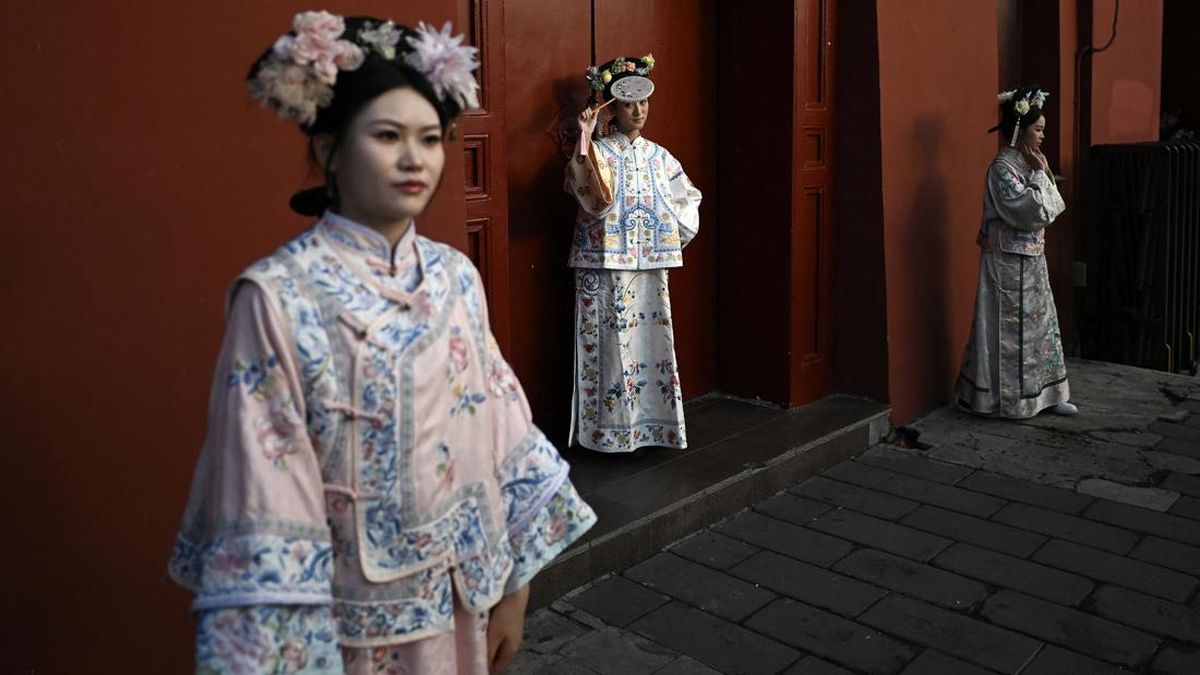
In the narrow alleys and commercial hubs adjacent to the Palace Museum, the "transformation" business is operating at peak capacity. On any given day, the sight of "emperors" and "empresses" clutching bubble tea or wearing designer sunglasses while posing against vermilion walls has become the new normal. For many visitors, the experience is not merely about a photograph; it is an immersive entry into the world of their favorite television idols, facilitated by an army of specialized stylists and makeup artists.
The Catalyst: The "C-Drama" Effect and the Hanfu Movement
The primary driver behind this aesthetic revolution is the staggering popularity of historical television productions. Shows such as Story of Yanxi Palace, Ruyi’s Royal Love in the Palace, and more recently, Pursuit of Jade, have captivated domestic and international audiences alike. These productions are renowned for their high production values, particularly their meticulous attention to costume design, which often employs authentic embroidery techniques and historically accurate silhouettes.
This media influence has intersected with the "Hanfu Movement"—a social trend among Gen Z and Millennials to wear traditional Chinese clothing in daily life. According to Cai Zehong, the founder of Hanfu Beijing, one of the earliest associations dedicated to ancient costumes, the trend represents a fusion of fashion and heritage. "Younger generations in China have discovered the aesthetic appeal of traditional clothing while simultaneously learning about the nation’s rich cultural legacy," Cai noted. This sentiment is echoed by market analysts who observe that for many young Chinese, wearing these garments is a form of "Guochao" or "China Chic," a movement that prioritizes domestic brands and cultural pride over Western luxury trends.
The Economic Engine: From Niche Studios to Industrial Scale
The economic impact of this trend is most visible in the rapid proliferation of costume rental and makeup studios. In 2020, media reports indicated only a handful of such establishments operated near major landmarks like the Forbidden City. By 2024, that number has surged into the hundreds. These studios offer all-inclusive packages that typically include garment rental, intricate hairstyling, period-appropriate makeup, and a professional photo shoot.
The cost of these transformations varies significantly based on the complexity of the attire and the reputation of the stylist. A basic package might start at 300 yuan (approximately $42 USD), while premium services involving high-end silk robes, authentic jade accessories, and multi-hour makeup sessions can exceed 1,000 yuan (approximately $140 USD). Despite these costs, demand remains insatiable.
Chen Jiao, a professional makeup artist working in a studio near the Forbidden City, describes a grueling but rewarding schedule. Her day typically begins at 6:00 AM to accommodate the first wave of tourists aiming to enter the palace grounds as soon as the gates open. During peak tourist seasons, such as the Labor Day holiday or the Golden Week in October, Chen can style upwards of 24 clients in a single day. "It can get incredibly crowded during peak season, especially on weekends," Chen said. The only respite for these workers comes when the Forbidden City closes its gates for the evening, though the post-production work of photo editing often continues late into the night.
The Art of the Transformation: Meticulous Detail and Historical Accuracy
The process of turning a modern tourist into a Qing Dynasty empress is a technical feat. It begins with the hair, which is often padded with extensions to create the towering "liangbatou" (two-headed) hairstyle synonymous with the Manchu nobility. These structures are then adorned with "diancui" (kingfisher feather) jewelry or modern resin replicas, alongside silk flowers and tassels.
The makeup is equally specific. Stylists use techniques to mimic the pale complexions and "cherry lips" favored in various dynasties. Accessories play a crucial role in the final look; tourists often opt for "huzhi"—long, golden nail guards encrusted with faux jewels—which were historically worn by court ladies to signify that they did not perform manual labor.
Liu Ruitong, a university student from Hebei Province, is one of many who traveled to the capital specifically for this experience. Choosing a somber yet elegant black ensemble from the Ming Dynasty, Liu explained her preference for the period’s aesthetic. "I feel this look is very elegant and dignified, particularly in its color palette. I chose black because it contrasts beautifully with the red walls of the Forbidden City and fits the traditional Chinese landscape," she said.
Historical Context: Ming vs. Qing Aesthetics
The two dynasties most frequently represented in Beijing’s costume scene are the Ming (1368–1644) and the Qing (1644–1912). The Ming Dynasty, founded by the Han people, is characterized by its flowing robes, cross-collars, and pleated skirts. This era is credited with the construction of the Forbidden City and the significant reinforcement of the Great Wall, making it a period of immense national pride.
In contrast, the Qing Dynasty, ruled by the Manchu people, introduced the "qipao" (or cheongsam) ancestors and the distinctive high-collared jackets and ornate headpieces. Because Beijing served as the capital for both empires, the city’s architecture provides a versatile backdrop for both styles. The choice of costume often reflects the tourist’s personal interest in a specific historical narrative or the influence of a particular television show they have recently consumed.
Supporting Data and Market Projections
The scale of the "experience economy" in China is reflected in broader tourism statistics. According to data from the China Tourism Academy, domestic tourism revenue has seen a significant rebound post-pandemic, with a marked increase in "cultural consumption." The Hanfu market specifically was estimated to be worth over 10 billion yuan ($1.4 billion USD) by 2023, with an annual growth rate exceeding 10%.
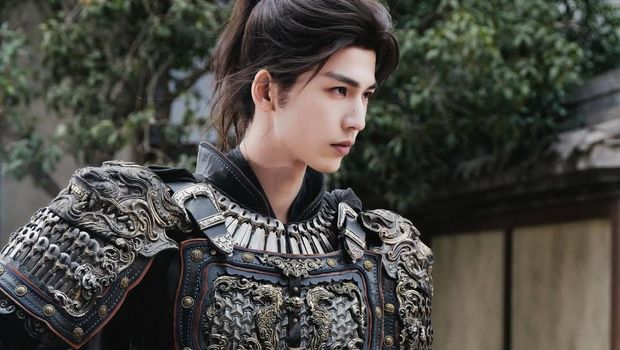
This growth is supported by digital infrastructure. Platforms like Xiaohongshu (China’s equivalent of Instagram) and Douyin (TikTok) are flooded with "get ready with me" videos and cinematic montages of tourists in historical dress. These platforms act as a powerful marketing tool, where a single viral post can drive thousands of customers to a specific makeup studio or photography spot.
Challenges and Implications for Urban Management
While the boom has provided a significant boost to local livelihoods, it has also presented challenges for urban management and site preservation. The sheer volume of photographers and "royals" blocking narrow walkways in the Forbidden City has occasionally led to congestion. In response, some historical sites have implemented stricter regulations regarding commercial photography to ensure that the flow of regular visitors is not impeded.
Furthermore, there is an ongoing debate regarding the "commercialization of culture." Critics argue that the trend can sometimes prioritize "Instagrammable" moments over genuine historical education. However, proponents like Cai Zehong argue that any engagement with history is a positive step. By wearing the clothes, tourists are prompted to ask questions about the materials, the social hierarchy of the past, and the preservation of the physical sites they are visiting.
The Broader Impact: Cultural Soft Power and Global Reach
The phenomenon is not limited to Beijing. Similar hubs have emerged in Xi’an (focusing on the Tang Dynasty) and Hangzhou (focusing on the Song Dynasty). This regional specialization allows China to showcase a diverse chronological history through fashion.
On a global scale, the popularity of these costumes is a testament to China’s growing "soft power." As C-dramas are exported to streaming platforms in Southeast Asia, North America, and Europe, international tourists are also joining the trend. It is no longer uncommon to see international visitors in Beijing participating in these transformations, seeking to experience the "Oriental aesthetic" they have seen on screen.
Conclusion: A Living Heritage
The sight of modern citizens dressed as ancient monarchs in the heart of 21st-century Beijing is more than a fleeting fashion trend; it is a manifestation of a nation’s evolving relationship with its past. Supported by a sophisticated commercial ecosystem and driven by the digital age’s visual culture, the costume rental industry has turned history into a tangible, wearable experience.
As long as the "dracin" industry continues to produce compelling historical narratives and the younger generation remains committed to cultural rediscovery, the streets of Beijing will likely continue to serve as a bridge between the ancient and the contemporary. For the thousands of "emperors" and "empresses" walking the halls of the Forbidden City today, the experience offers a unique blend of fantasy, fashion, and a renewed sense of national identity.
Related posts: