To Wash or Not to Wash: The Science, Culture, and Environmental Impact of Sanitary Pad Disposal Practices

The long-standing debate regarding the proper disposal of menstrual hygiene products has resurfaced across social media platforms, pitting traditional cultural practices against modern medical advice and environmental science. At the heart of the controversy is a single, recurring question: should disposable sanitary pads be washed before they are thrown away? While many individuals, particularly in Southeast Asian cultures, were raised with the belief that washing blood from a pad is a matter of hygiene, modesty, or even spiritual safety, global health organizations and environmental experts are increasingly advocating for a shift toward more scientifically grounded disposal methods. This discourse is not merely a matter of personal preference but intersects with public health, water conservation, and the massive logistical challenge of managing menstrual waste in a rapidly urbanizing world.
The Medical Consensus: Guidance from the World Health Organization
According to the World Health Organization (WHO) and various international health bodies, there is no medical requirement to wash a disposable sanitary pad before discarding it. In its comprehensive fact sheets on menstrual health and hygiene, the WHO emphasizes that the priority for menstrual waste management is the containment of pathogens and the prevention of environmental contamination. For disposable products, which are designed for single use, the recommended procedure is straightforward: the product should be wrapped securely—either in its original wrapper or in waste paper—to ensure that the blood is not visible and cannot come into contact with others, and then placed in a designated waste bin.
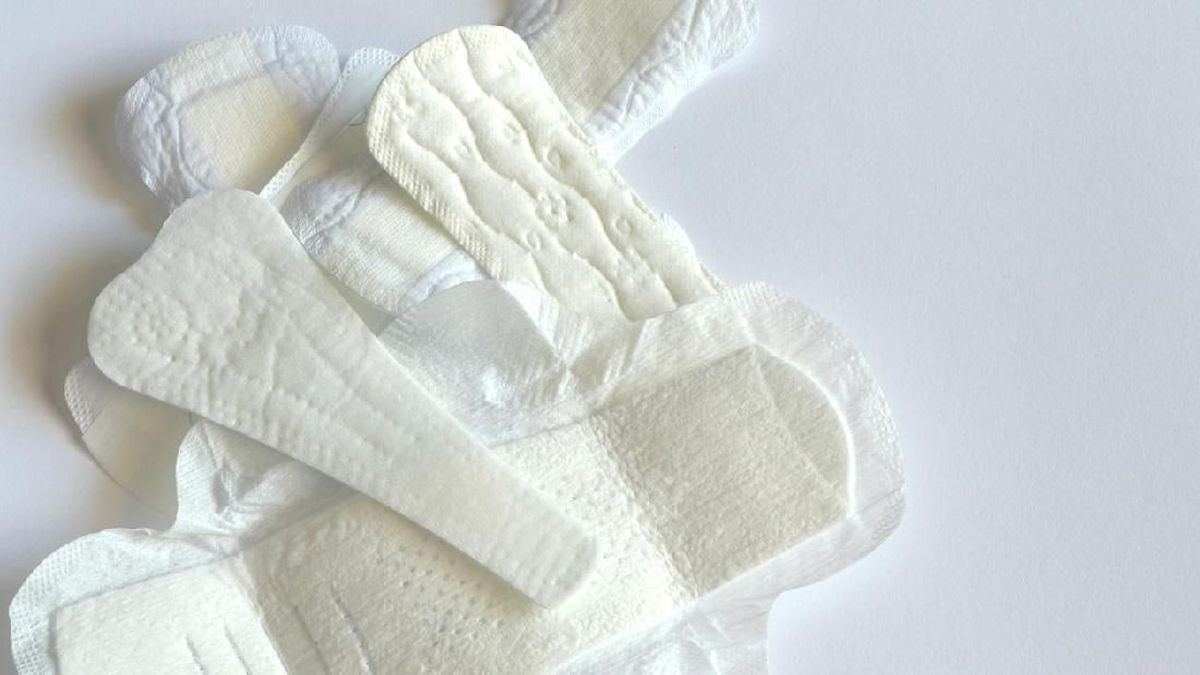
The WHO’s stance is rooted in the design of the products themselves. Modern disposable pads are engineered with multiple layers, including a permeable top sheet, an absorbent core often containing Super Absorbent Polymers (SAP), and a waterproof bottom layer. These materials are designed to trap fluid and odors. Once the pad is used, the blood is absorbed into the internal matrix of the product. Attempting to wash this blood out often involves tearing the pad or soaking it for extended periods, which can lead to the release of these internal chemicals and microplastics into the water system, potentially causing more harm than the simple act of discarding a wrapped, intact pad.
Cultural Foundations and the Indonesian Context
Despite the lack of a medical mandate, the practice of washing pads remains deeply ingrained in several societies, most notably in Indonesia. A landmark study titled "A Study on Menstrual Hygiene Management in West Java, Indonesia" revealed that a vast majority of women in the region continue to wash their disposable pads before disposal. The study found that this behavior is rarely driven by clinical health concerns but is instead a product of deeply rooted cultural norms and inherited family traditions.
In many Indonesian households, the sight of menstrual blood is associated with a sense of "shame" or "impurity." There is a strong social pressure to ensure that no trace of blood is visible when the waste is eventually handled by sanitation workers. Furthermore, some traditional beliefs suggest that unwashed menstrual blood could attract supernatural entities or bring misfortune to the individual. These "pamali" (taboos) are passed down through generations, creating a cycle where young women feel a moral or spiritual obligation to clean their pads, even if they understand that the product is disposable.
The West Java study highlighted that respondents often spent significant time and resources on this process. On average, a person might use between three to five liters of clean water just to rinse a single pad. When multiplied by the number of pads used during a typical five-day cycle, the cumulative water usage becomes a significant environmental consideration.
The Hidden Environmental Cost of Washing Disposable Waste
From an environmental perspective, the habit of washing disposable pads presents two major issues: excessive water consumption and the contamination of water bodies. In regions where water scarcity is a growing concern, the use of up to 25 liters of water per day solely for rinsing menstrual waste is increasingly viewed as unsustainable.
Moreover, disposable pads are not designed to be laundered. When a pad is subjected to heavy rinsing or scrubbing, the plastic backing and the synthetic fibers of the absorbent core can begin to break down. This process releases microplastics into the sewage system. In many developing nations, where wastewater treatment facilities may not be equipped to filter out such fine particles, these microplastics eventually find their way into rivers and oceans.
There is also the issue of the Super Absorbent Polymers (SAP) used in the core of most modern pads. These polymers are designed to turn liquid into a gel. When a pad is soaked in a bucket of water, the SAP expands significantly, often bursting through the fabric. This not only makes the washing process messy and inefficient but also results in chemical-laden gel entering the local plumbing, which can lead to clogs and further environmental degradation.
Health Risks Associated with Improper Washing
While the intent behind washing pads is often to achieve "cleanliness," the practice can ironically introduce new health risks. Menstrual blood, while not "dirty" in a toxic sense, is organic matter that can host bacteria if left in a damp environment. When individuals wash pads in communal bathrooms or in basins used for other household tasks, there is a risk of cross-contamination.
If a pad is not disposed of immediately after washing and is instead left to "drain" or dry slightly before being put in the trash, it provides a prime breeding ground for bacteria and flies. The most hygienic approach, as suggested by infectious disease experts, is "source containment." By wrapping the pad and placing it in a lidded bin, the user ensures that any potential pathogens are sealed away from the immediate environment.
A Comparative Analysis: Reusable vs. Disposable Products
The debate often suffers from a lack of clarity regarding the difference between reusable and disposable products. The enrichment of this discussion requires a clear distinction in protocols:
- Disposable Pads: These are "single-use" items. They contain plastics, adhesives, and chemical absorbents. They are not biodegradable in the short term and should never be flushed down a toilet or washed. The correct protocol is: Wrap, Bin, and Wash Hands.
- Reusable Cloth Pads: These are designed specifically to be laundered. They are usually made of cotton, bamboo, or specialized tech-fabrics. These must be washed thoroughly with soap and cold water, then dried in direct sunlight (which acts as a natural disinfectant) before being used again.
- Menstrual Cups: These medical-grade silicone devices are also reusable. They require emptying and rinsing during the cycle and sterilization in boiling water between cycles.
The confusion arises when the "washing" culture of reusable products is applied to "disposable" technology. Educational campaigns are now focusing on helping consumers understand that "disposable" means the product’s lifecycle ends the moment it is removed from the body.
Global Perspectives on Menstrual Waste Management
Globally, the management of menstrual waste is a staggering challenge. It is estimated that an average person who menstruates will use between 11,000 and 15,000 disposable pads or tampons in their lifetime. In a country like India, it is estimated that 12.3 billion sanitary pads are discarded annually. In the United Kingdom, menstrual products create approximately 200,000 tonnes of waste per year.
In many Western nations, the standard practice is immediate disposal without washing, supported by robust waste management infrastructure. However, even in these countries, the environmental impact of plastic-heavy pads has led to a surge in the popularity of biodegradable options and reusable products. The global trend is moving away from "cleaning" disposable waste and toward "reducing" it altogether.
Expert Recommendations for Proper Disposal
To align cultural practices with modern health and environmental standards, experts suggest a standardized three-step approach to disposing of disposable sanitary pads:
- Step 1: Secure Wrapping. Use the wrapper of the new pad or a piece of recycled paper to wrap the used pad tightly. This prevents odors and ensures that no blood is exposed, addressing the cultural need for modesty and "cleanliness" without the use of water.
- Step 2: Designated Binning. Place the wrapped pad in a lidded trash bin. In public spaces, use the specific "sanitary bins" provided. Never flush pads down the toilet, as they do not dissolve and are the leading cause of "fatbergs" in city sewer systems.
- Step 3: Personal Hygiene. The most critical "washing" involved in the process should be the washing of the hands. Using soap and water after handling used menstrual products is the most effective way to prevent the spread of germs.
Conclusion: Bridging the Gap Between Tradition and Science
The evolution of menstrual hygiene management requires a sensitive but firm transition from traditional habits to evidence-based practices. While the cultural desire to wash pads in Indonesia and other regions stems from a place of respect and a wish for purity, the scientific reality is that washing disposable pads is an unnecessary use of water that complicates waste management and potentially harms the environment.
By focusing on "discreet disposal" rather than "cleaning the waste," society can honor the need for privacy and modesty while protecting public health and natural resources. Educational initiatives must continue to emphasize that a wrapped, unwashed pad in a bin is far more "hygienic" for the community than a washed pad that has drained liters of water and released microplastics into the ecosystem. As the world moves toward more sustainable living, the way we handle our most personal waste remains a vital component of the global environmental and health agenda.
Related posts: