KPK Poised to Contest Second Pre-trial Motion from Asrul Azis Taba in High-Profile Hajj Quota Corruption Scandal


The Corruption Eradication Commission (KPK) of Indonesia is preparing to face a second pre-trial motion filed by Asrul Azis Taba, a prominent figure implicated in an alleged corruption case concerning additional hajj quotas for the years 2023-2024. Asrul Azis Taba, who serves as the Commissioner of PT Raudah Eksati Utama and also holds the influential position of Chairman of the Association of Hajj and Umrah Tour and Travel Companies of the Republic of Indonesia (Kesthuri), initiated this new legal challenge to contest the legality of search procedures carried out by the anti-graft agency. This development marks a critical juncture in a case that has drawn significant public attention, particularly given its implications for the deeply revered Hajj pilgrimage among Indonesia’s vast Muslim population.
The KPK, through its spokesperson Budi Prasetyo, affirmed its readiness to confront the legal proceedings. Speaking via a written statement on Saturday evening, July 18, 2026, Prasetyo emphasized the commission’s respect for the judiciary’s authority to scrutinize the legality of investigative actions undertaken by its personnel. "The KPK will face this pre-trial process by respecting the authority of the panel of judges to test the legality aspect of the investigators’ actions," Prasetyo stated, underscoring the agency’s commitment to upholding due process while vigorously pursuing justice. This proactive stance highlights the KPK’s unwavering resolve to navigate the intricate legal landscape surrounding high-profile corruption cases, ensuring that all procedural steps are robust and defensible.
The Intricacies of Hajj Management and Corruption Allegations
Indonesia, with the world’s largest Muslim population, sends hundreds of thousands of pilgrims to Mecca annually for the Hajj, one of Islam’s five pillars. The management of the Hajj pilgrimage is a monumental logistical and administrative task, primarily overseen by the Ministry of Religious Affairs (Kemenag). Due to the immense demand, a strict quota system is in place, often leading to waiting lists that can stretch for decades. The concept of "additional hajj quotas" arises when Saudi Arabia grants extra slots beyond the regular allocation, usually due to specific agreements or underutilized quotas from other countries. These additional quotas are highly coveted and can be a significant source of revenue and influence, making them vulnerable to corruption. The alleged corruption in the 2023-2024 additional hajj quotas case revolves around suspicions that these valuable slots were illicitly traded, misused, or allocated unfairly, leading to substantial financial losses for the state and potentially denying legitimate pilgrims their rightful opportunity.
The case has been particularly sensitive, touching upon the spiritual aspirations of millions of Indonesians and raising questions about the integrity of institutions responsible for facilitating religious duties. The involvement of figures from both government and the private sector, specifically those representing tour and travel associations, underscores the complex web of relationships that can be exploited for corrupt practices within the Hajj management ecosystem. The Rp622 billion in alleged state financial losses, as calculated by auditors from the Supreme Audit Agency (BPK), represents a staggering amount, potentially diverted from public funds or acquired through illegal fees and charges that should have benefited the pilgrims or the state. This figure underscores the severity and scale of the alleged malfeasance, prompting a comprehensive investigation by the KPK to uncover the full extent of the scheme and hold those responsible accountable.
A Detailed Chronology of Legal Maneuvers
The legal battle surrounding Asrul Azis Taba and the hajj quota corruption case has unfolded through several key events, illustrating the rigorous scrutiny applied to anti-corruption efforts in Indonesia.
- Prior to July 6, 2026: The KPK formally designates Asrul Azis Taba as a suspect in the alleged hajj quota corruption case. The exact date of his initial designation is not specified but precedes his first legal challenge.
- Early July 2026: Asrul Azis Taba files his first pre-trial motion (Praperadilan) at the South Jakarta District Court, specifically challenging his designation as a suspect by the KPK. This is a common legal tactic in Indonesia, allowing suspects to question the procedural legality of their status.
- Monday, July 6, 2026: A pivotal moment occurs when a single judge at the South Jakarta District Court, I Ketut Darpawan, rejects Asrul Azis Taba’s initial pre-trial motion. The judge ruled that the KPK had adhered to the formal criminal procedure requirements in naming Asrul as a suspect, thereby validating the agency’s investigative steps up to that point. This rejection was a significant victory for the KPK, confirming the initial legal footing of their case against Asrul.
- Tuesday, July 14, 2026: The KPK announces a major breakthrough in the investigation, declaring that the probe into the additional hajj quota corruption for 2023-2024 has been completed. Simultaneously, the agency confirms the transfer of the case file to the prosecution stage. At this point, the KPK also officially names four suspects in connection with the case: Asrul Azis Taba; Yaqut Cholil Qoumas, who served as the Minister of Religious Affairs from 2019-2024; Ishfah Abidal Aziz, a special staff member to Yaqut Cholil Qoumas; and Ismail Adham, the Operations Director of Maktour. The completion of the investigation signals that the KPK believes it has gathered sufficient evidence to proceed with criminal charges.
- Friday, July 17, 2026: Just three days after the KPK announced the completion of its investigation, Asrul Azis Taba files his second pre-trial motion at the South Jakarta District Court. This time, the challenge is specifically directed at the legality of the search operations conducted by the KPK during its investigation. The motion is registered under case number 121/Pid.Pra/2026/PN JKT.Sel. This move indicates the defense’s strategy to scrutinize every procedural aspect of the KPK’s actions, even after the initial pre-trial rejection and case completion.
- Saturday, July 18, 2026: KPK Spokesperson Budi Prasetyo issues a statement confirming the agency’s readiness to face this second pre-trial motion, reiterating confidence in their investigative procedures.
- Friday, July 24, 2026: The South Jakarta District Court schedules the first hearing for Asrul Azis Taba’s second pre-trial motion, with the agenda set for the reading of the petition. This hearing will officially commence the judicial review of the KPK’s search actions.
- Post-July 14, 2026 (Ongoing): Following the transfer of the case to the prosecution, the KPK’s Public Prosecutor (JPU) has a maximum of 14 working days to prepare the indictment. Once completed, the indictment will be submitted to the Anti-Corruption Court (Tipikor) for further examination and trial proceedings.
KPK’s Resolute Stance and Legal Foundations
KPK Spokesperson Budi Prasetyo’s statements reflect the agency’s firm conviction in the integrity and legality of its investigative process. He reiterated that all arguments and supporting evidence underpinning the search actions will be presented transparently during the court proceedings. "All arguments and evidence that form the basis of the search action will be openly presented in court," Prasetyo affirmed, underscoring the KPK’s commitment to accountability and public disclosure within legal boundaries.
The KPK’s optimism stems from its belief that the entire investigative process, including the coercive measures such as searches, has been executed professionally and in strict adherence to statutory regulations. Prasetyo emphasized that the procedures have met both the material and formal aspects as stipulated in the criminal procedure law. This meticulous approach is crucial for the KPK, as any procedural misstep could potentially undermine the entire case, especially when challenged through pre-trial motions.
The anti-graft body also urged the public to continuously monitor and oversee the legal process of this case. This call for public vigilance is consistent with the KPK’s operational philosophy, which often seeks to involve civil society in its anti-corruption efforts, fostering transparency and trust. Public scrutiny can also serve as a deterrent against undue influence or procedural irregularities.
The Defense’s Legal Strategy: Scrutinizing Procedural Legality
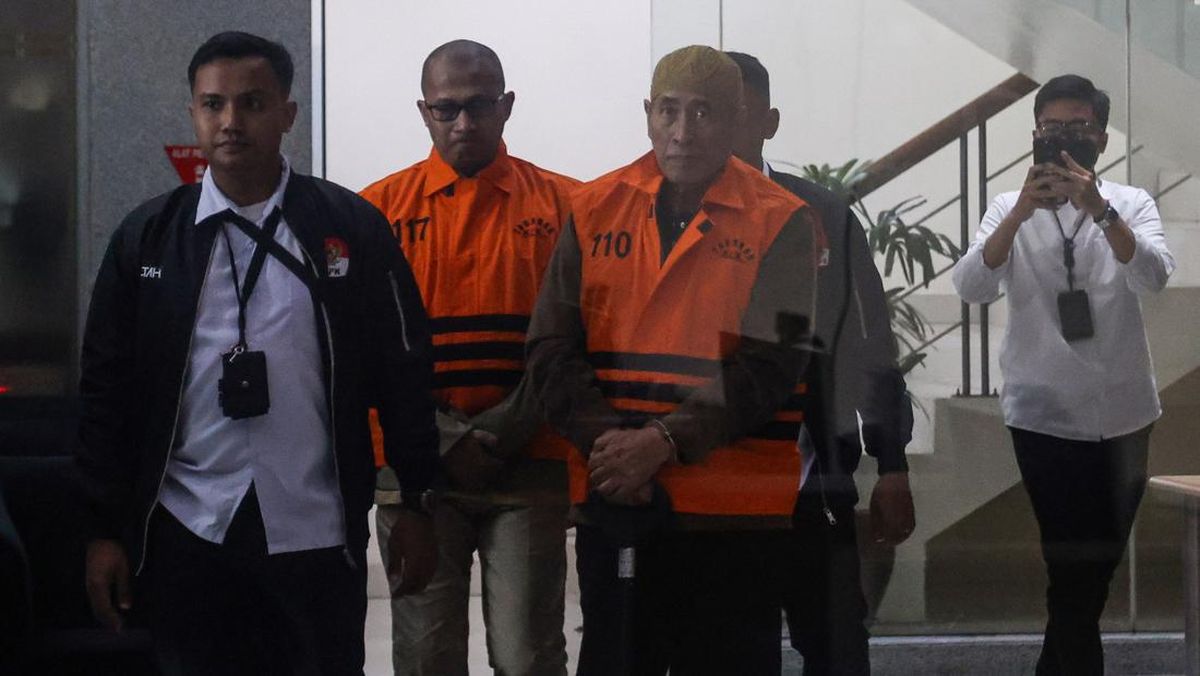
Asrul Azis Taba’s decision to file a second pre-trial motion, specifically targeting the legality of the search procedures, indicates a strategic effort by his legal team to challenge the foundation of the evidence gathered by the KPK. In the Indonesian legal system, a "Praperadilan" (pre-trial motion) allows individuals to contest various actions by law enforcement, including suspect designation, arrest, detention, seizure of assets, and searches, if they believe these actions were not carried out in accordance with legal procedures.
While the details of Asrul’s specific arguments against the search are yet to be fully disclosed, defense teams typically argue that searches may have been conducted without proper warrants, extended beyond the scope of a warrant, or violated other procedural safeguards. A successful pre-trial motion on a search could potentially lead to the exclusion of evidence obtained through that search, which could significantly weaken the prosecution’s case. However, the KPK’s confidence suggests they are well-prepared to demonstrate the adherence to legal protocols during the searches. The defense’s persistence, even after the rejection of the first pre-trial motion, underscores the high stakes involved in this case and their determination to exhaust all legal avenues to challenge the charges.
Legal Framework and Financial Impact
The legal articles underpinning the KPK’s prosecution of this case are robust and specifically target acts of corruption that cause financial losses to the state. The primary charges are based on Article 2 paragraph (1) and/or Article 3 of the Law on the Eradication of Criminal Acts of Corruption (UU Tipikor) in conjunction with Article 55 paragraph (1) point 1 of the Criminal Code (KUHP). These articles deal with actions that unlawfully enrich oneself or others, causing detriment to the state’s finances.
Additionally, the KPK is utilizing Articles 603 or 604 of Law Number 1 of 2023 concerning the new Criminal Code (KUHP) in conjunction with Article 20 letter (c) of the same law. These new provisions further strengthen the legal framework against corruption, particularly those involving public funds or assets. The inclusion of these articles signifies the prosecution’s intent to pursue the maximum possible legal penalties, reflecting the severity of the alleged crimes.
The alleged state financial loss of Rp622 billion, as calculated by the Supreme Audit Agency (BPK) auditors, is a central component of the prosecution’s case. This figure is critical as it directly relates to the charges under the anti-corruption laws, which often define corruption by the extent of financial harm inflicted upon the state. The BPK’s independent audit provides a crucial factual basis for quantifying the damage caused by the alleged corrupt practices in the allocation of additional hajj quotas. This substantial amount could represent a combination of direct monetary losses from illegal transactions, misappropriated funds, or inflated costs that were ultimately borne by the state or pilgrims.
Broader Implications and Future Outlook
The unfolding legal battle carries significant implications beyond the immediate fates of the accused. For the Indonesian public, particularly the Muslim community, the case raises serious concerns about the integrity of the Hajj pilgrimage management. Public trust in the Ministry of Religious Affairs, which has been implicated through its former minister, is likely to be under scrutiny. A transparent and just resolution to this case is crucial for restoring confidence in the administration of such a vital religious service.
For tour and travel agencies, especially those affiliated with Kesthuri, the outcome of this case could lead to increased regulatory oversight and stricter adherence to ethical standards. It serves as a stark reminder of the legal repercussions for exploiting public trust and engaging in illicit activities within a highly regulated sector. The industry may face renewed calls for greater transparency in how additional quotas are handled and distributed.
For the KPK, this case is another test of its resolve and effectiveness in combating high-level corruption. Successfully prosecuting individuals from influential backgrounds, including a former minister and a prominent business association leader, reinforces the agency’s mandate and commitment to its anti-corruption mission. The handling of the pre-trial motions, especially the second one challenging search procedures, highlights the importance of meticulous investigative work and strict adherence to legal protocols, as these procedural aspects are frequently targeted by defense teams.
The pre-trial mechanism itself underscores the checks and balances within Indonesia’s legal system, ensuring that law enforcement powers are not exercised arbitrarily. While the KPK remains confident, the judiciary’s independent review of its actions is a vital safeguard. The outcomes of both the second pre-trial motion and the subsequent main trial at the Anti-Corruption Court will undoubtedly set precedents and influence future anti-corruption efforts in Indonesia. The public and various stakeholders will continue to follow this case closely, hoping for a verdict that upholds justice and strengthens good governance within the critical sector of Hajj pilgrimage management. The ongoing legal proceedings serve as a powerful reminder that accountability must extend to all levels of society, irrespective of position or influence.