Deadly Clashes in East Adonara, East Flores, Claim Three Lives as Security Forces Restore Order

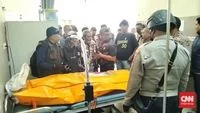
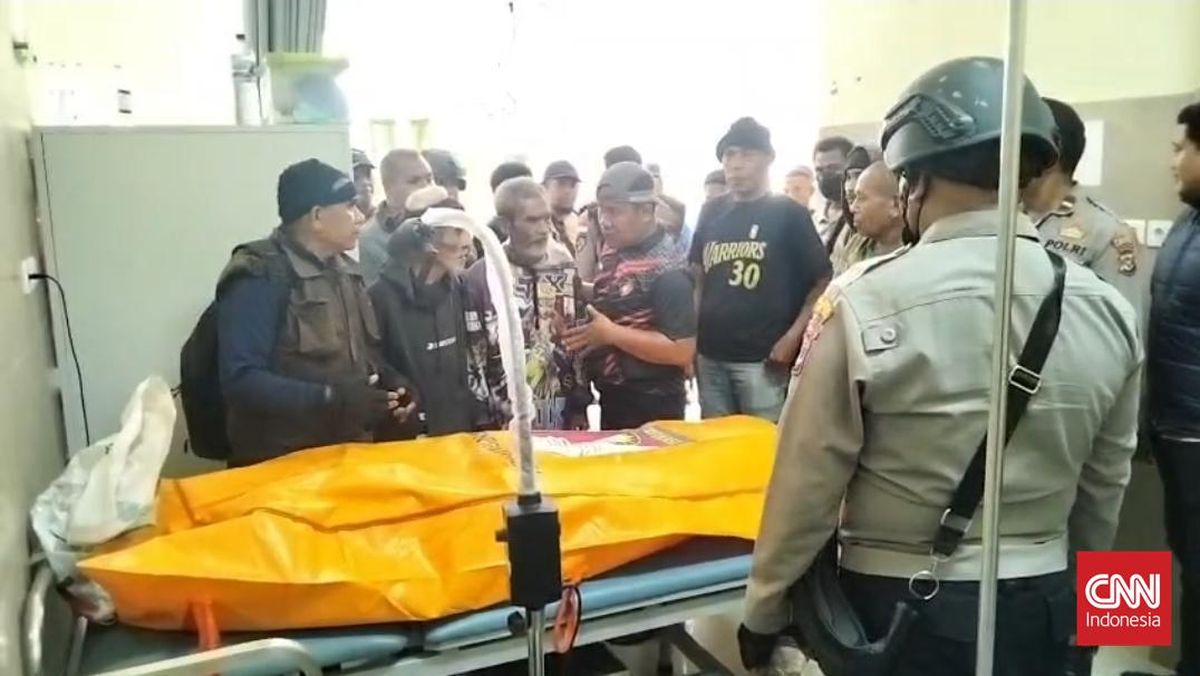
Kupang, NTT – A brutal clash between two youth groups in East Adonara, East Flores, East Nusa Tenggara (NTT), on Saturday, July 18, has resulted in the deaths of three individuals and prompted a significant deployment of security forces to stabilize the volatile situation. All casualties have now been successfully evacuated, with one body, initially held back by an agitated crowd, finally brought to Adonara Primary Hospital for identification and post-mortem examination following intense negotiations involving local authorities and community leaders.
The tragic incident unfolded in the early hours of Saturday morning, shattering the peace of the remote island community. Initial reports confirmed three fatalities, two from Desa Narasaosina and one from Desa Waeburak, underscoring the severity of the confrontation. The swift response from local law enforcement and military personnel has been crucial in preventing further escalation, though the underlying causes of the deadly dispute remain under thorough investigation.
Immediate Response and Evacuation Efforts
The initial aftermath of the clash presented a challenging situation for authorities. While two of the deceased were quickly reunited with their families, one victim, identified as a male approximately 60 years old from Desa Narasaosina, lay deceased on Waiburak public road, precisely in front of the Waiburak Mosque. His body was reportedly held by a large crowd, impeding its retrieval by medical teams and an awaiting ambulance for several hours. This standoff highlighted the raw emotions and deep-seated tensions simmering within the community following the violence.
Kapolres Flores Timur (Chief of Flores Timur Police) AKBP Adhitya Octorio Putra confirmed the successful evacuation of this final body. "The body has been successfully transported to the Pratama Hospital," Adhitya told CNNIndonesia.com on Saturday afternoon. He elaborated that the critical breakthrough came after intensive negotiations involving the Regional Leadership Communication Forum (Forkopimda), which includes representatives from the local government, police, and military, alongside influential community and religious leaders. This multi-stakeholder approach proved vital in de-escalating the situation and securing the crowd’s consent for the body’s transfer.
Upon arrival at Adonara Primary Hospital, the deceased was immediately taken to the morgue. The next steps involve a comprehensive identification process and a visum et repertum (VER), a medical legal report, to ascertain the exact cause of death. Preliminary indications suggest the victim succumbed to injuries consistent with a machete attack during the morning’s altercation. Authorities are currently awaiting a coffin to facilitate the respectful handover of the remains to the grieving family, a process expected to be overseen by Forkopimda to ensure a peaceful transition.
Chronology of the Deadly Confrontation
The fatal clash erupted on Saturday morning, July 18, pitting two groups of young men against each other. One group hailed from Dusun Lewonara in Desa Narasosina, while the other originated from Dusun Bele in Desa Waeburak, both located within the East Adonara District. The specific trigger for the violence is still under investigation, but the swift escalation to machete attacks indicates a profound level of animosity and pre-existing tensions between the factions.
Eyewitness accounts, though not detailed in initial reports, likely depict a chaotic scene of confrontation. The immediate aftermath saw three individuals fatally wounded, bringing profound grief to their respective communities. The discovery of the bodies, particularly the one left on the public road, created a secondary crisis that required delicate handling by authorities to prevent further civil unrest. The standoff, lasting until approximately 2:00 PM WITA (Central Indonesia Time), underscored the challenges faced by law enforcement in gaining the cooperation of agitated crowds in emotionally charged situations. The eventual resolution through dialogue and the involvement of respected community figures proved instrumental in allowing the medical team to fulfill its duty.
Security Reinforcement and Stabilization Efforts
In the wake of the violence, the immediate priority for authorities was to restore peace and prevent any retaliatory actions. While the situation in the clash location has reportedly begun to stabilize, with masses gradually returning to their homes, a significant security presence remains. Dozens of fully armed personnel from both the Indonesian National Armed Forces (TNI) and the Indonesian National Police (Polri) have been deployed and are maintaining a vigilant watch over the area. Their presence is crucial for maintaining law and order, instilling confidence in the affected communities, and deterring any further acts of aggression.
Further reinforcing the security apparatus, the Commander of the Mobile Brigade (Brimob) Unit of NTT Regional Police, Kombes Afrizal Asri, confirmed the deployment of additional personnel. "There are 32 personnel being shifted to Adonara from Maumere," Afrizal stated when contacted on Saturday afternoon. This specialized unit, known for its crowd control and tactical capabilities, is expected to augment the existing forces, ensuring robust security coverage and readiness to respond to any renewed disturbances. The strategic deployment of Brimob underscores the seriousness with which provincial authorities are addressing the incident and their commitment to long-term stability in the region.
Background Context: Adonara and the Dynamics of Communal Conflict
Adonara Island, part of the Flores Timur Regency in NTT, is an area characterized by its rich cultural diversity, traditional customs, and strong community bonds. However, like many other regions in eastern Indonesia, it is not immune to inter-communal conflicts, which can sometimes erupt with devastating consequences. These clashes often stem from a complex interplay of factors, including historical grievances, land disputes, resource competition (such as access to agricultural land or fishing grounds), tribal rivalries, or even seemingly minor altercations that escalate rapidly due to a lack of effective mediation or underlying tensions.
The socio-cultural fabric of Adonara is deeply rooted in traditional leadership structures and customary law (adat). While these systems often play a vital role in maintaining peace and resolving disputes, they can also become points of contention when different clans or villages adhere to conflicting interpretations or practices. Economic pressures, limited opportunities, and demographic changes can also exacerbate existing fault lines, making communities more susceptible to conflict. The presence of multiple religious groups (predominantly Catholic and Muslim) generally coexists peacefully in NTT, but in isolated incidents, these identities can sometimes be manipulated or become tangential to other underlying conflicts. It is crucial for investigators to meticulously unravel the specific triggers and deeper roots of this particular clash to address them effectively and prevent future recurrences.
Statements, Reactions, and Calls for Peace
Beyond the immediate law enforcement actions, the incident has drawn significant attention from provincial and regional authorities, alongside community and religious leaders. Kapolres Flores Timur AKBP Adhitya Octorio Putra has reiterated the police’s commitment to a thorough and impartial investigation, promising that all perpetrators will be brought to justice. He has also emphasized the importance of community cooperation in providing information that can aid the ongoing inquiry.
While specific statements from the Regent of Flores Timur, Antonius Gege Hadjon, were not included in the initial report, it is expected that local government leaders would issue strong condemnations of the violence and appeal for calm, urging all parties to refrain from further acts of aggression. Such statements typically emphasize the rule of law, the need for peaceful resolution, and the importance of unity within the community. Similarly, religious leaders from both Christian and Muslim faiths are anticipated to play a crucial role in mediating tensions and promoting reconciliation, advocating for forgiveness and healing over retribution. Their moral authority is often indispensable in guiding communities towards lasting peace.
Community elders and traditional leaders, who were instrumental in the negotiation for the body’s evacuation, will continue to be central to any peacebuilding efforts. Their understanding of local dynamics and their respected positions within the community make them vital conduits for dialogue and conflict resolution. The collective voice of these leaders, appealing for restraint and emphasizing shared humanity, is essential in preventing a cycle of violence.
Investigation and Legal Ramifications
The investigation into the East Adonara clash is ongoing, with law enforcement personnel meticulously gathering evidence and interviewing witnesses. The primary objective is to identify all individuals involved in the deadly confrontation, determine their roles, and establish the precise circumstances that led to the fatalities. Criminal charges, including assault and murder, are likely to be pursued against those found responsible. The visum et repertum from the hospital will be a critical piece of forensic evidence in this process.
The legal proceedings will not only aim to hold individuals accountable but also serve as a deterrent against future violence. It is imperative that justice is seen to be done fairly and transparently to restore public trust and prevent vigilante justice. The police will also be looking into whether any pre-meditation or organized elements were involved in the clash, which could lead to more severe charges. The thoroughness of this investigation will be key to addressing the immediate aftermath and laying the groundwork for long-term peace.
Implications and Future Outlook
The deadly clash in East Adonara carries significant implications for the affected communities and the broader region. Firstly, it highlights the fragility of peace in areas where underlying tensions persist, underscoring the constant need for community engagement and proactive conflict resolution mechanisms. The incident can lead to heightened fear, distrust, and potentially even displacement within the affected villages, disrupting social cohesion and economic activities.
Secondly, it reinforces the critical role of multi-sectoral collaboration – involving local government, law enforcement, traditional leaders, and religious figures – in crisis management and peacebuilding. The successful negotiation for the body’s release demonstrates the power of coordinated efforts and dialogue in defusing volatile situations. However, the challenge now shifts to long-term prevention.
Moving forward, sustained efforts will be required to address the root causes of such conflicts. This may involve facilitated dialogues between the rival groups, land mapping and dispute resolution initiatives, community-based peace education programs, and economic development projects that provide alternative opportunities and reduce competition over scarce resources. The government and civil society organizations will need to work collaboratively to foster reconciliation, rebuild trust, and strengthen the social fabric of Adonara Island. Without such comprehensive and sustained interventions, the potential for future outbreaks of violence will remain a persistent concern, threatening the stability and progress of these vibrant communities. The tragic events of July 18 serve as a stark reminder of the devastating human cost of unresolved communal grievances.