Former Bank Jateng CEO Demanded 10-Year Imprisonment in Rp502 Billion PT Sritex Credit Fraud Case


The former President Director of Bank Jateng, Supriyatno, faces a demand of 10 years in prison for his alleged involvement in a corruption case concerning the issuance of credit facilities to textile giant PT Sritex. This stringent demand was presented by Public Prosecutor Triyana Setya Putra during a trial held at the Semarang Corruption Court on Monday, April 20, 202X. In addition to the decade-long incarceration, prosecutors are also seeking a fine of Rp1 billion (approximately USD 62,000). Should Supriyatno fail to pay the fine, it would be commuted to an additional 190 days of imprisonment, underscoring the severity with which financial misconduct affecting state assets is being pursued under Indonesian law. The prosecution’s case hinges on allegations that Supriyatno deliberately circumvented internal bank regulations by orchestrating a credit splitting scheme for PT Sritex, resulting in substantial financial losses to the state.
The legal proceedings have drawn significant attention, not only due to the prominent figures involved but also because of the substantial amount of state loss identified by the audit of the Supreme Audit Agency (BPK). The prosecutors, led by JPU Triyana Setya Putra, asserted that Supriyatno’s actions were in direct violation of Article 603 of Law Number 1 Year 2023 concerning the Criminal Code (KUHP), which pertains to corruption involving state finances. Presiding Judge Rommel Franciskus Tampubolon oversaw the reading of the demand, which detailed how the former CEO allegedly approved credit applications from PT Sritex that were intentionally divided into two separate tranches: Rp75 billion and Rp175 billion. This segmentation, according to the prosecution, was a deliberate maneuver to bypass the mandatory approval threshold of the bank’s Board of Commissioners, a critical oversight mechanism designed to ensure prudent financial governance and prevent undue risk exposure.
Background of the Involved Entities
Bank Jateng, or Bank Pembangunan Daerah Jawa Tengah (Regional Development Bank of Central Java), plays a crucial role in the economic development of Central Java province. As a regional state-owned enterprise (BUMD), its primary mandate is to support local government programs, foster regional economic growth, and serve the financial needs of the community and local businesses. Its operations are funded by regional public funds, making any loss incurred by the bank a direct loss to the state and, by extension, to the public. The integrity and sound management of Bank Jateng are therefore paramount to maintaining public trust and supporting regional stability. A case of alleged corruption involving its former top executive can significantly erode this trust and raise questions about internal control mechanisms within regional financial institutions.
PT Sri Rejeki Isman Tbk (Sritex) is one of Indonesia’s largest and most established textile and garment manufacturers, with a long history in the industry. Headquartered in Sukoharjo, Central Java, Sritex has a significant presence in both domestic and international markets, supplying uniforms to military forces worldwide and producing a wide range of fashion apparel. As a publicly listed company, its financial health and operational integrity are subject to scrutiny by shareholders, investors, and regulatory bodies. Access to substantial credit facilities from banks like Bank Jateng is crucial for its operations, expansion plans, and working capital needs. However, the alleged method of securing these funds, circumventing proper procedures, casts a shadow over the company’s financial dealings and governance practices, even if the primary charge is against the bank’s former CEO.
Chronology of Alleged Misconduct and Investigation
The timeline of events, as pieced together from the prosecution’s narrative, suggests a calculated scheme to bypass established banking protocols. While the exact date of the initial credit application from PT Sritex remains unspecified in the public record, it is understood that the process began with a request for a substantial loan facility. The core of the alleged misconduct lies in Supriyatno’s reported approval of this credit, but not as a single, large transaction that would typically trigger the requirement for Board of Commissioners’ endorsement. Instead, the credit was allegedly broken down into two smaller, separate applications – Rp75 billion and Rp175 billion. This strategic division ensured that each individual application fell below the threshold that necessitated higher-level approval, effectively allowing the former CEO to greenlight the substantial funding without the additional layer of scrutiny.
Following the disbursement of these funds, suspicions or internal irregularities likely triggered an investigation. The Supreme Audit Agency (BPK) subsequently conducted a thorough audit of Bank Jateng’s financial records, particularly focusing on the credit facilities extended to PT Sritex. The BPK’s findings were damning, concluding that the state had suffered a staggering loss of Rp502 billion as a direct consequence of the irregular credit approvals. This audit report became a crucial piece of evidence, providing the factual basis for the prosecution’s case.
Upon receiving the BPK’s audit report, law enforcement agencies, specifically the public prosecutor’s office, initiated a formal investigation. This phase involved gathering evidence, interviewing witnesses, and building a case against those believed to be responsible. Supriyatno, along with other key bank officials, was eventually named as a suspect and subsequently indicted. The judicial process then moved to the Semarang Corruption Court, where preliminary hearings, witness testimonies, and expert opinions were presented. The demand reading on Monday, April 20, 202X, marks a significant milestone in these proceedings, indicating the prosecution’s final assessment of the defendants’ culpability and the proposed penalties. The court has now granted the defendants the opportunity to present their defense statements, known as pleidoi, in subsequent sessions, allowing them to counter the prosecution’s arguments before a final verdict is rendered.
Supporting Data and Legal Framework
The Rp502 billion state loss cited by the BPK is a substantial figure, placing this case among the significant financial corruption cases in Indonesia. Such an amount represents a considerable drain on public resources that could otherwise be allocated to essential public services, infrastructure development, or poverty alleviation programs in Central Java. The BPK’s role as an independent state audit institution is critical in uncovering financial irregularities and ensuring accountability in the management of state finances. Their audit methodology typically involves forensic accounting, transaction analysis, and compliance checks against prevailing laws and regulations.
The application of Article 603 of Law No. 1 Year 2023 on the Criminal Code (KUHP) is noteworthy. This new criminal code, which came into full effect on January 2, 2023, modernizes Indonesia’s legal framework and includes specific provisions targeting corruption that harms state finances. While the specific wording of Article 603 details the various forms of corruption and their penalties, its invocation in this case underscores the prosecution’s belief that Supriyatno’s actions directly led to an illegal enrichment or misuse of state funds through his position. The maximum penalty for such offenses can be severe, reflecting the government’s strong stance against corruption, particularly when it involves public institutions and large sums of money. The demanded 10-year sentence and Rp1 billion fine fall within the punitive range for serious financial crimes, aiming to serve as a deterrent.
Co-Defendants and Their Demands
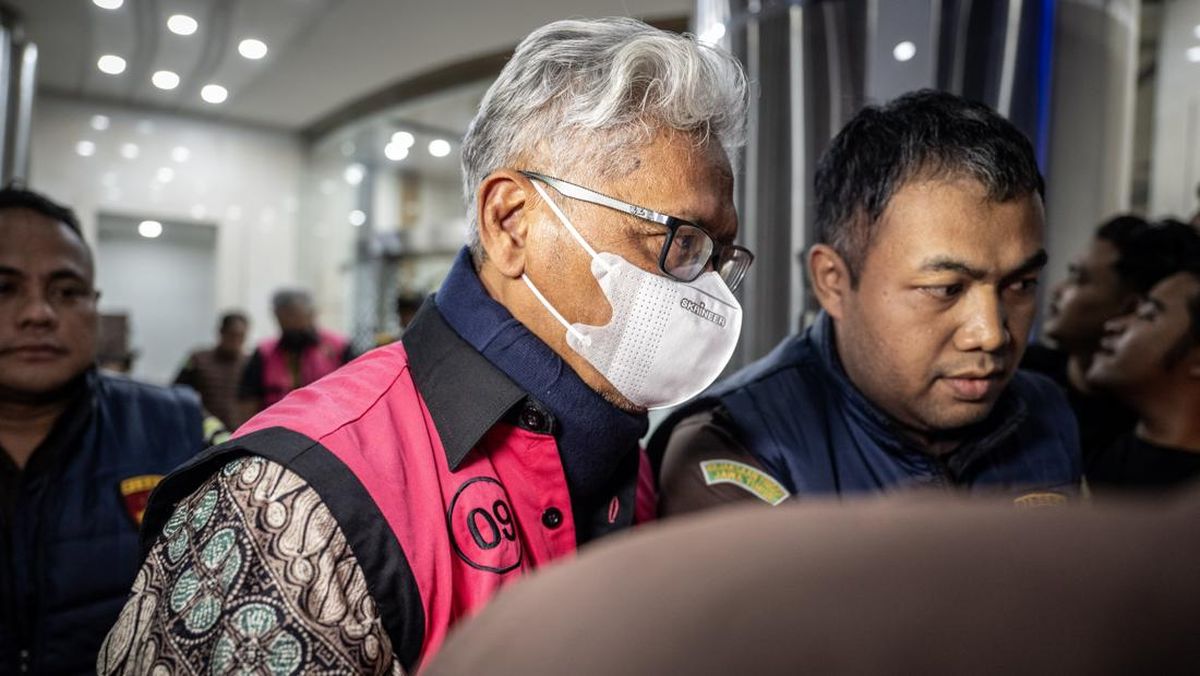
The prosecution’s demands extended beyond Supriyatno, indicating a broader alleged conspiracy or coordinated effort within Bank Jateng to facilitate the irregular credit. Two other high-ranking officials were also implicated and faced similar demands:
- Pujiono, former Corporate and Commercial Business Director of Bank Jateng: Demanded 8 years in prison and a Rp1 billion fine. His position suggests direct involvement in the corporate lending process and oversight of commercial transactions.
- Suldiarta, former Head of Corporate and Commercial Business Division of Bank Jateng: Demanded 7 years in prison and a Rp1 billion fine. As the head of the division, he would have been instrumental in processing and approving credit applications at a more operational level.
The differing lengths of the demanded prison sentences likely reflect the prosecution’s assessment of each individual’s role, level of responsibility, and direct involvement in orchestrating or facilitating the alleged credit fraud. The consistent Rp1 billion fine across all defendants highlights the collective financial impact of their alleged actions. These demands suggest that the prosecution views the alleged corruption as a systemic issue involving multiple layers of management within the bank, not merely the isolated act of a single individual.
Official Responses and Expected Reactions
While specific statements from Bank Jateng or PT Sritex regarding the prosecution’s demands are not yet publicly available, their anticipated responses would typically align with standard corporate governance practices in such situations.
Bank Jateng is expected to issue a statement reaffirming its commitment to upholding good corporate governance principles, transparency, and full cooperation with legal authorities. Such a statement would likely emphasize that the alleged actions of the former executives do not reflect the bank’s current values or operational standards, and that internal controls have been strengthened to prevent similar incidents. The bank would also likely assure its customers and stakeholders of its continued stability and dedication to its public mandate, seeking to mitigate any erosion of public trust caused by the scandal.
PT Sritex, as the recipient of the credit facilities, might also issue a statement asserting its cooperation with the ongoing investigation. The company would likely emphasize its adherence to all relevant laws and regulations in its business dealings and disavow any knowledge of or involvement in the alleged procedural irregularities on the bank’s side. Depending on the company’s internal findings, it might also reiterate its commitment to ethical business practices and ensuring compliance in all its financial transactions.
From a broader perspective, anti-corruption watchdogs and legal experts are likely to welcome the prosecution’s assertive stance. They would emphasize the importance of vigorously prosecuting corruption cases, particularly those involving public financial institutions, to send a strong message about accountability. Experts might also call for a review of banking oversight mechanisms and corporate governance standards within regional development banks to prevent future abuses of power and safeguard state assets. This case serves as a stark reminder of the continuous need for vigilance against corruption in all sectors, especially those entrusted with public funds.
Broader Impact and Implications
The prosecution’s demands against Supriyatno and his co-defendants carry significant implications across several dimensions:
For Bank Jateng: The scandal undoubtedly inflicts reputational damage, potentially affecting customer confidence, investor perception (for its bonds or other financial instruments), and its ability to attract and retain talent. Internally, the bank will likely undertake a comprehensive review of its credit approval processes, risk management frameworks, and internal audit functions to identify and rectify any vulnerabilities. This could lead to stricter lending policies and enhanced oversight, ensuring greater transparency and accountability in future transactions.
For PT Sritex: While the primary charges are against the bank officials, PT Sritex’s involvement as the credit recipient will inevitably lead to increased scrutiny of its financial dealings and governance. This could impact its ability to secure future financing from other financial institutions, affect its stock performance, and potentially trigger investigations into its own compliance with corporate governance standards. The company may need to demonstrate greater transparency and adherence to ethical practices to restore investor and public confidence.
For the Banking Sector and Regulatory Environment: This case serves as a critical reminder for the entire Indonesian banking sector, particularly other regional development banks (BPDs), about the imperative of robust corporate governance and stringent risk management. Regulators, such as the Financial Services Authority (OJK), are likely to intensify their oversight of credit granting procedures, particularly for large-value transactions, to prevent similar circumvention of rules. The case reinforces the need for independent and effective Boards of Commissioners and internal audit functions within financial institutions.
For Anti-Corruption Efforts in Indonesia: The high-profile nature of this case, coupled with the substantial state loss and the involvement of a former top executive of a public bank, signals the government’s continued commitment to combating corruption. The use of the new Criminal Code (Law No. 1 Year 2023) also demonstrates the application of modern legal tools in this fight. A successful prosecution and conviction in this case would bolster public confidence in the judicial system’s ability to hold powerful individuals accountable, irrespective of their position. Conversely, any perceived leniency or procedural missteps could undermine these efforts.
The demand for a 10-year prison sentence for Supriyatno, alongside the charges against other former Bank Jateng officials, marks a pivotal moment in the ongoing battle against financial corruption in Indonesia. The next phase, involving the defendants’ pleidoi and the subsequent judicial deliberations, will be closely watched as the Semarang Corruption Court moves towards delivering a final verdict in a case that underscores the critical importance of integrity, transparency, and accountability in the nation’s financial institutions.