Former PT Sritex Top Executives Face 16-Year Prison Demand for Alleged Rp1.3 Trillion Credit Fraud and Money Laundering Amidst Company’s Bankruptcy


Jakarta, Indonesia – The legal proceedings surrounding the collapse of PT Sritex, once a titan of Indonesia’s textile industry, have reached a critical juncture with prosecutors demanding a 16-year prison sentence for its former President Commissioner, Iwan Setiawan Lukminto, and President Director, Iwan Kurniawan Lukminto. The two high-profile executives stand accused of orchestrating a massive credit facility fraud and subsequent money laundering scheme that allegedly inflicted a staggering Rp1.3 trillion (approximately US$80 million) loss upon the state. The prosecution, led by Fajar Santoso, further sought a Rp1 billion fine for each defendant, with an additional 190 days of imprisonment should the fines go unpaid. This development, presented at the Semarang Corruption Court on Monday, April 20, underscores the severe consequences for corporate malfeasance, particularly when it involves significant public funds and contributes to the downfall of a major enterprise.
The Downfall of a Textile Giant: A Brief History of PT Sritex
PT Sri Rejeki Isman Tbk, widely known as Sritex, had for decades been a cornerstone of Indonesia’s manufacturing sector and a globally recognized name in textiles. Founded in 1966 by H.M. Lukminto, the company grew from a small trading business into an integrated textile and garment manufacturer, employing tens of thousands of people and supplying uniforms to militaries worldwide, including NATO forces and the Indonesian National Armed Forces (TNI). Its expansive operations covered spinning, weaving, dyeing, printing, and garment production, making it one of Southeast Asia’s largest and most comprehensive textile producers. Sritex’s impressive growth trajectory and global reach often positioned it as a symbol of Indonesian industrial prowess and resilience.
However, despite its outward success, Sritex began to show signs of significant financial strain in recent years, particularly exacerbated by the economic downturns and supply chain disruptions of the COVID-19 pandemic. The company grappled with immense debt burdens, accumulating liabilities that eventually led to its declaration of bankruptcy. In October 2021, the Semarang Commercial Court officially declared PT Sritex bankrupt, initiating a complex process of asset liquidation and creditor repayment. This formal bankruptcy marked a tragic end for a company that had long been a source of national pride and a major employer, leaving thousands jobless and raising questions about its financial management and corporate governance. The current corruption charges now suggest that the company’s financial woes were not merely a result of market forces or pandemic impacts, but were allegedly compounded, if not directly caused, by fraudulent activities perpetrated by its top leadership.
Unraveling the Credit Fraud: A Scheme of Deception
The core of the prosecution’s case revolves around allegations that Iwan Setiawan Lukminto and Iwan Kurniawan Lukminto systematically defrauded three regional government-owned banks to secure illicit credit facilities. According to prosecutor Fajar Santoso, the defendants submitted falsified financial statements to these banks, presenting a misleading picture of Sritex’s financial health. These fraudulent documents, crucial for credit assessment, were allegedly inconsistent with the actual data recorded in the Financial Services Authority’s (OJK) Financial Information Service System (SLIK).
The SLIK system (Sistem Layanan Informasi Keuangan), managed by OJK, serves as a central repository for credit information on individuals and corporations across Indonesia. It provides a comprehensive view of a borrower’s credit history, outstanding loans, and payment performance from various financial institutions. By cross-referencing data, banks are supposed to assess creditworthiness accurately and mitigate risks. The allegation that Sritex’s submitted financial statements did not align with SLIK data implies a deliberate attempt to circumvent standard due diligence processes and deceive the lending institutions. This sophisticated form of financial misrepresentation allowed Sritex, under the direction of the Lukminto executives, to obtain substantial loans that it would likely not have qualified for under truthful disclosure, ultimately contributing to the Rp1.3 trillion state loss. The fact that the loans were sourced from regional government banks further amplifies the public dimension of the fraud, as these institutions often play a critical role in regional economic development and manage public funds.
Money Laundering: Concealing the Ill-Gotten Gains
Beyond the initial credit fraud, the prosecution detailed extensive money laundering activities, accusing both defendants of violating Law No. 8 of 2010 concerning the Prevention and Eradication of Money Laundering. This charge suggests that the illicit funds obtained through the fraudulent credit facilities were not merely used for legitimate business operations but were deliberately obscured and integrated into the company’s financial system to appear lawful. The method described by the prosecutor involved "disguising the proceeds of crime by funneling them into the company’s operational accounts to appear as legitimate income." This classic layering technique in money laundering aims to separate the illegal funds from their source through a series of complex financial transactions, making them difficult to trace.
Furthermore, the prosecution asserted that a significant portion of these ill-gotten funds was utilized for personal enrichment and the acquisition of various high-value assets. These assets reportedly included "land, houses, apartments, and vehicles," indicating a clear diversion of company funds for private gain. Such actions not only demonstrate a blatant disregard for corporate fiduciary duties but also exacerbate the financial damage caused by the initial fraud. The acquisition of diverse assets through illicit means is a common tactic in money laundering, as it allows perpetrators to convert cash into tangible wealth, further complicating efforts by authorities to recover the stolen funds. This aspect of the case paints a picture of deliberate criminal intent to exploit the company’s financial mechanisms for personal benefit, ultimately contributing to its insolvency and the massive state loss.
The Prosecution’s Stern Demands and Reasoning
During the court session presided over by Chief Judge Rommel Franciskus Tampubolon, prosecutor Fajar Santoso laid out the full extent of the state’s demands. In addition to the 16-year prison sentences and Rp1 billion fines, the prosecution is seeking supplementary penalties. Each defendant is mandated to pay restitution amounting to Rp677 billion (approximately US$41.6 million) to compensate for the state’s financial losses. Should they fail to pay this substantial sum, an additional eight years of imprisonment will be imposed. This particular demand highlights the gravity of the financial damage caused and the state’s commitment to recovering public funds.
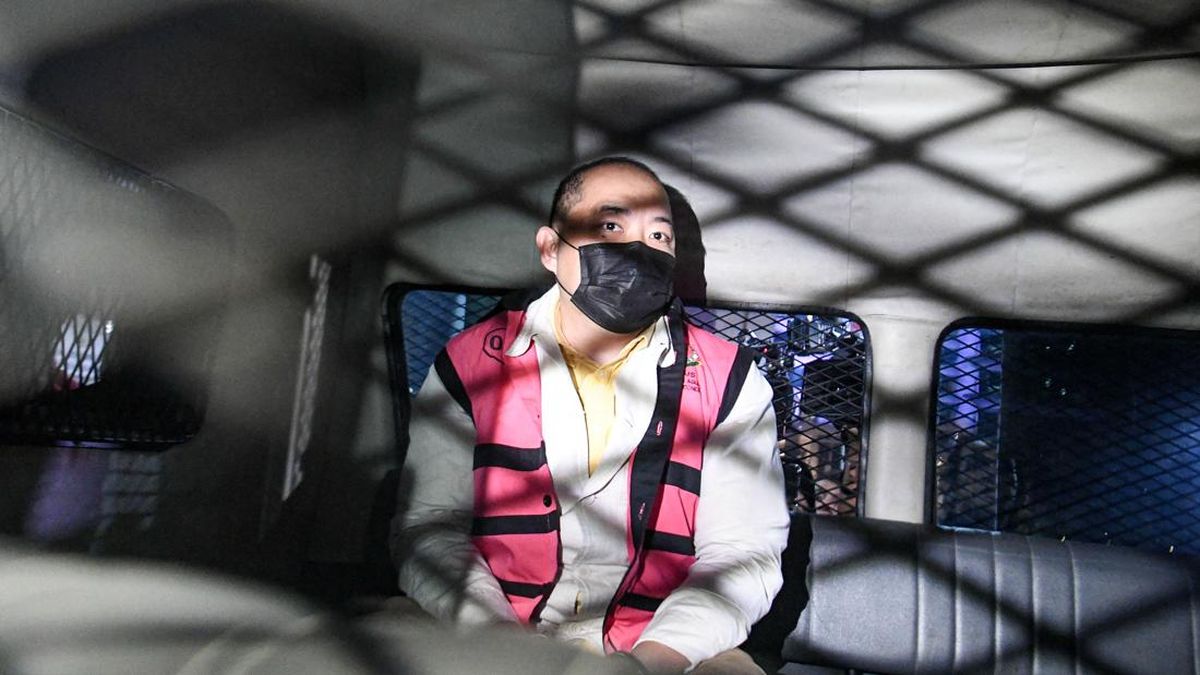
The prosecutor emphasized that Iwan Setiawan Lukminto was identified as the "main perpetrator" in this extensive scheme, suggesting a primary role in initiating and overseeing the fraudulent activities. The total state loss of approximately Rp1.3 trillion was unequivocally declared as "real and irrecoverable," primarily because PT Sritex has been declared bankrupt and its remaining assets are deemed insufficient to cover the outstanding debts and restitution. This grim assessment underscores the devastating impact of the fraud, implying that taxpayers will ultimately bear the brunt of the financial burden.
In their deliberation, prosecutors highlighted several aggravating factors contributing to their severe sentencing demands. They noted that the defendants’ actions had a "broad impact on the regional economy," reflecting the significant role Sritex played as an employer and economic driver. The prosecution also cited the defendants’ perceived lack of remorse, stating that they "did not feel guilty and did not regret their actions." This perceived defiance and absence of accountability likely played a role in the prosecution’s decision to seek maximum penalties, signaling a strong message against corporate corruption and impunity.
Chronology of a Crisis and Alleged Crime
While the precise timeline of the fraudulent credit applications remains under wraps pending further court proceedings, the broader chronology of Sritex’s troubles and the subsequent legal actions can be pieced together.
- Pre-2020: PT Sritex operates as a leading textile manufacturer, expanding its global reach.
- Early 2020 – Mid-2021: The COVID-19 pandemic severely impacts Sritex’s operations and financial stability, exacerbating existing debt issues. It is during this period that the alleged fraudulent credit applications to regional banks would have been made, attempting to shore up the company’s liquidity with false pretenses.
- Late 2020 – Early 2021: Sritex begins to face increasing pressure from creditors as its debt obligations become unsustainable.
- October 2021: The Semarang Commercial Court declares PT Sritex bankrupt, following a series of failed debt restructuring efforts. This declaration effectively seals the fate of the company and triggers liquidation processes.
- Late 2021 – Early 2023: Investigations into the company’s financial dealings likely commence or intensify, scrutinizing the origins of its massive debts and potential fraudulent activities. The discrepancy between Sritex’s financial statements and OJK’s SLIK data would have surfaced during this period.
- Mid-2023 – Early 2024: The case against the Lukminto executives takes shape, leading to their formal indictment on corruption and money laundering charges.
- April 20, 2024: Prosecutors present their demands for 16-year prison sentences, fines, and restitution at the Semarang Corruption Court.
- Subsequent Sessions: The defense teams for Iwan Setiawan Lukminto and Iwan Kurniawan Lukminto are granted the opportunity to present their rebuttals and defense arguments in upcoming court sessions, a standard procedure in the Indonesian judicial system. Following these submissions, the court will deliberate and issue its final verdict.
Broader Implications: Economic, Legal, and Governance
The Sritex corruption case carries significant implications that extend beyond the individual fates of the Lukminto executives.
Economic Impact: The Rp1.3 trillion state loss is a direct hit to public finances, particularly impacting the regional banks involved, which are crucial for local economic development. The bankruptcy of Sritex itself resulted in substantial job losses, affecting thousands of employees and their families, and disrupting the local economy of Sukoharjo, Central Java, where its main operations were concentrated. It also sends ripples through the textile supply chain, impacting raw material suppliers and other ancillary businesses.
Legal Precedent: This high-profile prosecution signals a strengthened resolve by Indonesian authorities to combat corporate fraud and money laundering, particularly involving influential business figures. The application of both corruption and money laundering statutes against the executives underscores the comprehensive legal approach taken to address sophisticated financial crimes. It serves as a stark warning to other corporate leaders about the severe legal consequences of financial misconduct, potentially fostering greater accountability in the corporate sector. The use of Law No. 1 of 2023, the new criminal code, alongside Law No. 8 of 2010, demonstrates the evolving legal tools available to prosecutors.
Corporate Governance and Oversight: The alleged circumvention of OJK’s SLIK system highlights potential vulnerabilities in corporate governance and financial oversight mechanisms. While SLIK is designed to prevent such fraud, the case suggests that determined efforts to falsify financial data can still slip through the cracks, at least initially. This could prompt OJK and other regulatory bodies to review and strengthen their monitoring protocols, enhance data verification processes, and potentially impose stricter penalties on financial institutions that fail to conduct thorough due diligence. The incident reinforces the critical need for transparency, integrity, and robust internal controls within corporations, especially those with significant debt exposure to public or state-owned entities.
Investor Confidence: Large-scale corporate scandals, particularly those involving allegations of fraud and the collapse of prominent companies, can erode investor confidence, both domestically and internationally. Potential investors may perceive increased risks in the Indonesian market, demanding greater assurances of corporate integrity and legal protection. This could impact foreign direct investment (FDI) and capital market activity, especially in sectors perceived to have weaker governance.
The Future of the Textile Industry: Sritex’s downfall and the subsequent corruption allegations add another layer of complexity to the challenges already faced by Indonesia’s textile industry. The sector grapples with intense global competition, rising raw material costs, and evolving consumer demands. The negative publicity surrounding a former industry leader could cast a shadow over the entire sector, though it might also spur efforts to enhance ethical practices and rebuild trust.
The Judicial Road Ahead
Following the prosecution’s demanding presentation, Chief Judge Rommel Franciskus Tampubolon duly granted the defendants the opportunity to prepare and submit their defense statements in the subsequent court hearings. This phase is crucial, allowing Iwan Setiawan Lukminto and Iwan Kurniawan Lukminto, through their legal counsel, to present their arguments, challenge the prosecution’s evidence, and mitigate the charges against them. The outcome of these defense submissions and the subsequent judicial deliberation will ultimately determine the final verdict and sentence. The case, closely watched by the business community, legal professionals, and the public, will undoubtedly set an important precedent for corporate accountability in Indonesia, shaping the landscape of corporate governance and the fight against financial crime for years to come.