Unburied After Fifty-One Days: The Mystery Surrounding the Death of Ayatollah Ali Khamenei Amidst Heightened Iran-US Tensions

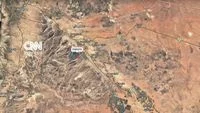
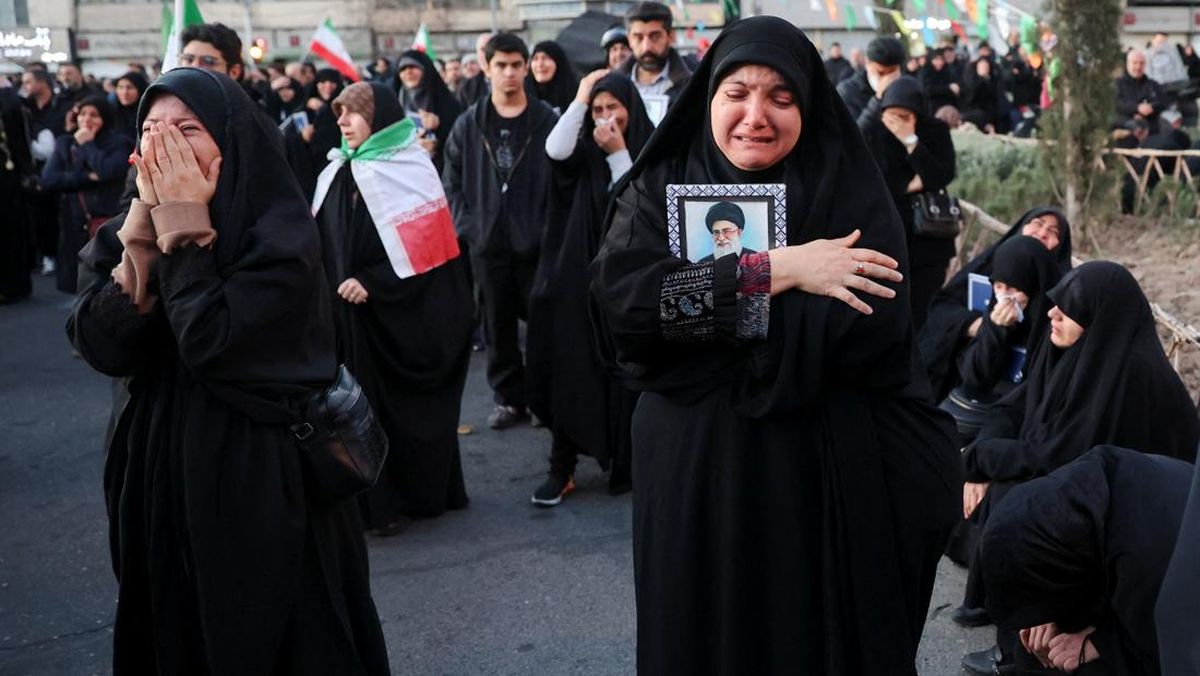
The Islamic Republic of Iran remains in a state of unprecedented internal and external flux as fifty-one days have passed since the reported death of Supreme Leader Ayatollah Ali Khamenei without a formal burial or public funeral service. Khamenei, who served as the highest authority in the Iranian theocracy for over three decades, was declared dead following a devastating joint military operation by the United States and Israel on February 28. The strike, which targeted high-level installations in Tehran, has since catalyzed a broader regional conflict, yet the domestic handling of the leader’s remains has become a focal point of international scrutiny and geopolitical speculation.
As of late April, the seven-week delay in interring the former Supreme Leader stands in stark contrast to the deeply ingrained religious and political traditions of the Islamic Republic. Under Islamic law, burial is typically expected to occur as soon as possible, often within twenty-four hours. The prolonged absence of a final resting place for Khamenei has raised significant questions regarding the stability of the Iranian regime, the health of his successor, and the security environment within a nation currently embroiled in what many analysts describe as an existential struggle against Western powers and their regional allies.
A Timeline of the Escalation and the February 28 Strike
The events leading to the current crisis trace back to a series of escalating provocations in the Middle East. Tensions between Washington and Tehran reached a breaking point in early 2024, following a series of maritime skirmishes and proxy attacks on U.S. assets. On February 28, a coordinated aerial assault by U.S. and Israeli forces struck several command-and-control centers in the heart of Tehran. Initial reports from Iranian state media were fragmented, but it was eventually confirmed that Ayatollah Ali Khamenei had succumbed to injuries sustained during the bombardment.
The immediate aftermath of the strike saw the rapid mobilization of the Iranian military and the Revolutionary Guard Corps (IRGC). While the world expected a period of national mourning similar to the massive public outpourings seen in 1989, the reality on the ground has been marked by a chilling silence. The military confrontation that followed the strike has expanded into a multi-front war involving various regional actors, further complicating the logistics of state-level ceremonies.
In the first week of March, the Assembly of Experts—the body responsible for appointing the Supreme Leader—convened in a clandestine session to name a successor. Mojtaba Khamenei, the second son of the late leader, was reportedly elevated to the position. However, since this appointment, the younger Khamenei has not made a single public appearance, fueling rumors of a leadership vacuum or a crisis within the inner sanctum of the regime.
Comparative Analysis: The Legacy of 1989 and the 2024 Crisis
To understand the gravity of the current delay, historians point to the death of the Islamic Republic’s founder, Grand Ayatollah Ruhollah Khomeini, in June 1989. When Khomeini passed away, the regime orchestrated one of the largest funeral gatherings in human history. Millions of Iranians took to the streets of Tehran in a massive display of grief and ideological fervor. The burial took place promptly, serving as a powerful tool for national unity and the legitimization of the transition to Ali Khamenei.
In 2024, the situation is fundamentally different. The fifty-one-day delay suggests a regime that is either logistically incapable of securing a public event or ideologically fearful of what such an event might trigger. Behnam Taleblu, a senior fellow and security expert at the Foundation for Defense of Democracies (FDD), suggests that the delay is a symptom of systemic weakness. According to Taleblu, the regime is "too afraid and too weak to take the risk" of a public funeral. The fear is two-fold: the vulnerability of a mass gathering to further precision strikes by U.S. or Israeli aircraft, and the potential for the funeral to transform into a platform for anti-government protests.
The Iranian government’s official stance, though rarely articulated, hints at the ongoing state of war as the primary reason for the delay. With the nation’s air defenses under constant pressure and the military focused on retaliatory strikes, officials argue that the security of the mourners and the dignity of the late leader cannot be guaranteed. However, international observers note that even during the height of the Iran-Iraq War in the 1980s, the regime prioritized the symbolic power of public religious rites.
The Succession Crisis and the Health of Mojtaba Khamenei
Central to the mystery of the unburied leader is the status of his successor, Mojtaba Khamenei. While his appointment was intended to project continuity and strength, his total absence from the public eye for over fifty days has become a source of intense speculation. Reports have emerged suggesting that Mojtaba may have been present during the February 28 strike or a subsequent attack, sustaining critical injuries to his face and legs.
Intelligence sources, cited by various international news outlets, indicate that the new Supreme Leader may be undergoing intensive care in a highly secured medical facility. If Mojtaba Khamenei is indeed incapacitated, the regime faces a dual crisis: they cannot bury the father without the son presiding over the ceremony, yet they cannot reveal the son’s condition without appearing vulnerable to their enemies and their own citizenry.
Taleblu emphasizes that the regime would eventually have to explain a funeral held in the absence of the successor. "This shows the sheer magnitude of the gap between the founder’s burial in 1989 and the current situation," he noted. "A generation later, the successor cannot even be buried more than a month after his death." This paralysis at the top levels of government suggests that the decision-making process within the Islamic Republic has been severely disrupted by the ongoing conflict.
The Digital Iron Curtain and Domestic Unrest
While the external war dominates headlines, a quieter but equally significant struggle is occurring within Iran’s borders. For over fifty days, the country has been subjected to a near-total internet blackout. This "digital iron curtain" has been used by the state to control the narrative regarding the Supreme Leader’s death and the subsequent military losses. By cutting off communication with the outside world, the IRGC hopes to prevent the organization of mass protests that have periodically rocked the country in recent years.
The internet shutdown also serves to hide the true extent of the damage caused by the U.S.-Israeli strikes. Without independent verification from citizen journalists, the regime can maintain a veneer of control. However, experts argue that the prolonged blackout is a double-edged sword. While it stifles dissent, it also breeds a climate of extreme uncertainty and paranoia among the populace. The lack of information regarding the burial of Ali Khamenei has led to a surge in rumors, further eroding the public’s trust in state media.
"The Republic of Islam likes to boast about controlling the streets," Taleblu remarked, "but a 50-day internet blackout tells the real story. The regime is terrified of the consequences if the truth were to be fully revealed."
Security Implications and the Risk of Precision Strikes
From a tactical perspective, the decision to delay the funeral may be rooted in the very real threat of military intervention. A state funeral for a figure as significant as Ali Khamenei would require the presence of the entire Iranian political and military elite in a single, predictable location. For the United States and Israel, such a gathering would represent a "target-rich environment."
Despite international norms that generally discourage striking funeral processions, the current state of "total war" between the parties has stripped away many traditional diplomatic safeguards. The Iranian leadership likely fears that a "decapitation strike"—an attack designed to eliminate the remaining senior leadership—could be launched during the ceremony. Given the demonstrated precision of recent Western intelligence and drone capabilities, the IRGC may have concluded that the risk of holding a public burial is simply too high.
Furthermore, the logistical challenge of moving the body and securing a path to the Behesht-e Zahra cemetery, where Khomeini is buried, is monumental during an active air campaign. The potential for chaos, either through military action or a stampede of mourners, poses a risk that a fragile administration may not be prepared to handle.
Broader Geopolitical Impact and the Future of the "Axis of Resistance"
The paralysis in Tehran has sent shockwaves through the "Axis of Resistance," Iran’s network of regional proxies including Hezbollah in Lebanon, the Houthis in Yemen, and various militias in Iraq and Syria. These groups rely on Tehran for financial support, military hardware, and strategic guidance. The death of Ali Khamenei, coupled with the mysterious absence of Mojtaba, has left these groups without a clear directive at a time of maximum regional tension.
If the Iranian leadership remains unable to formalize the transition of power through the traditional rites of burial and public mourning, the cohesion of the Axis may begin to fray. Already, there are reports of localized commanders within these proxy groups taking independent actions, potentially leading to an uncontrolled escalation that Tehran can no longer manage.
The international community is watching the 51-day mark with concern. The longer the delay continues, the more likely it is that the Iranian government will face an internal legitimacy crisis. For a theocracy that derives its authority from divine mandate and the legacy of its leaders, the inability to perform the most basic of religious duties—the burial of the dead—is a profound symbolic failure.
Conclusion: A Regime at a Crossroads
The fifty-one-day delay in the burial of Ayatollah Ali Khamenei is more than a logistical anomaly; it is a testament to the profound pressure currently facing the Islamic Republic of Iran. Caught between an external war with technologically superior adversaries and an internal environment of dissent and uncertainty, the regime appears to be in a state of suspended animation.
As the days turn into weeks, the mystery of Tehran continues to deepen. Whether the delay is a calculated security measure, a result of the successor’s poor health, or a sign of a deeper collapse in the state’s ability to function, the outcome will undoubtedly reshape the Middle East. For now, the body of the man who led Iran for thirty-five years remains unburied, a silent witness to a nation at its most precarious turning point since the 1979 Revolution. The world awaits the next move from a regime that is increasingly finding itself silenced by the very conflict it spent decades preparing for.
Related posts: