The Strategic Significance of APEC for Indonesia’s Economic Diplomacy and the Roadmap to the 2025 Summit in South Korea

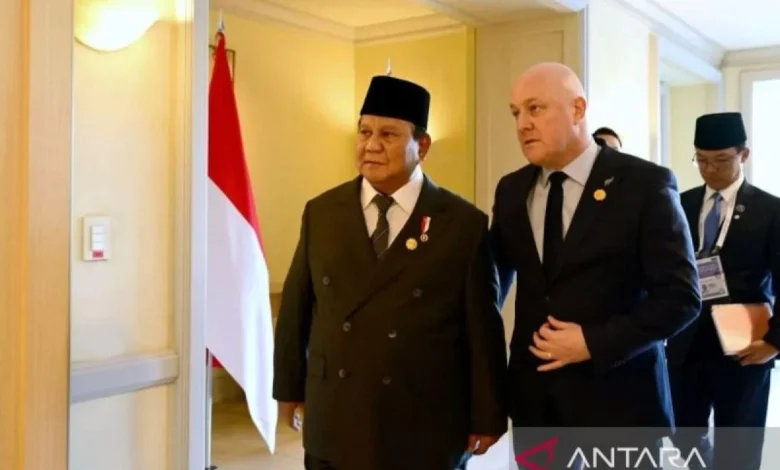
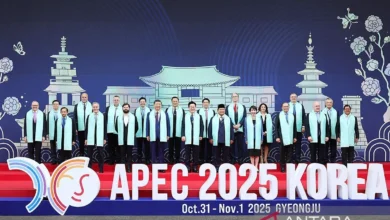
The Asia-Pacific Economic Cooperation (APEC) remains a cornerstone of regional stability and a primary engine for global growth, serving as a premier forum for 21 member economies situated along the Pacific Rim. As the world navigates a complex landscape of post-pandemic recovery, shifting supply chains, and rapid technological advancement, APEC’s role in fostering connectivity, trade liberalization, and sustainable development has never been more critical. For Indonesia, the forum represents not only a platform for economic cooperation but a strategic arena to assert its national interests and shape the future of the Asia-Pacific region. This significance is underscored by the scheduled participation of President Prabowo Subianto in the APEC Economic Leaders’ Meeting (AELM) 2025, set to take place in South Korea from October 31 to November 1, 2025.
President Prabowo’s attendance at the Gyeongju summit signals a continuation of Indonesia’s proactive foreign policy and a commitment to deepening ties with the world’s most influential economies. The 21 APEC member economies—which include global giants such as the United States, China, Japan, and Russia, alongside emerging powerhouses like Vietnam and Mexico—collectively account for approximately 62 percent of global Gross Domestic Product (GDP) and nearly half of all global trade. For the Indonesian administration, this forum is an indispensable vehicle for achieving the "Golden Indonesia 2045" vision, which aims to transform the nation into one of the world’s top five economies.
The Evolution and Core Functions of APEC in a Changing Global Order
Since its inception in 1989 in Canberra, Australia, APEC has operated on the basis of non-binding commitments and open dialogue, a unique "APEC way" that emphasizes voluntary cooperation and consensus. Unlike traditional trade blocs that rely on legalistic treaties, APEC functions as an incubator for ideas and a laboratory for policy innovation. Its primary mission is to reduce barriers to trade and investment, ensuring that the movement of goods, services, and capital across the Pacific is seamless and mutually beneficial.
One of the most vital functions of APEC is the promotion of balanced and inclusive growth. The forum recognizes that economic expansion is unsustainable if its benefits are not distributed across all segments of society. Consequently, APEC initiatives often focus on rural development, women’s economic empowerment, and the integration of Micro, Small, and Medium Enterprises (MSMEs) into global value chains. By aligning these regional goals with Indonesia’s domestic priorities, the government can leverage APEC’s resources to address inequality and poverty at home.
Furthermore, APEC serves as a bridge between the public and private sectors. The APEC Business Advisory Council (ABAC) provides a direct line of communication for industry leaders to voice their concerns to heads of state. This ensures that the policies discussed at the summit level—ranging from digital trade protocols to green energy transitions—are grounded in the realities of the marketplace. For Indonesia, this engagement is crucial for attracting Foreign Direct Investment (FDI) and fostering a business environment that is conducive to innovation and competition.
A Historical Context: Indonesia’s Leadership and the Bogor Goals
Indonesia has a storied history within APEC, most notably as the host of the 1994 summit in Bogor. It was during this landmark meeting that the "Bogor Goals" were adopted, setting a visionary target for free and open trade and investment in the Asia-Pacific by 2010 for industrialized economies and 2020 for developing economies. While the world has changed significantly since 1994, the spirit of the Bogor Goals continues to influence the APEC Putrajaya Vision 2040, which seeks an open, dynamic, resilient, and peaceful Asia-Pacific community.
As the 2025 South Korea summit approaches, Indonesia finds itself in a position to champion the interests of the Global South within the APEC framework. The transition of leadership to President Prabowo Subianto brings a renewed focus on food security, energy independence, and downstream industrialization—themes that are expected to resonate strongly in Gyeongju. By building on the foundations laid in Bogor three decades ago, Indonesia aims to ensure that the "new economy" of the 21st century remains inclusive and accessible to all.
Strategic Benefits for the Indonesian Economy
Indonesia’s participation in APEC yields tangible benefits across several key sectors. First and foremost is the expansion of market access. The Asia-Pacific region is the destination for more than 70 percent of Indonesia’s total exports. Through APEC’s work on harmonizing customs procedures and reducing non-tariff barriers, Indonesian exporters—from palm oil and coal producers to textile manufacturers—gain a more predictable and cost-effective pathway to international consumers.
Secondly, APEC serves as a vital platform for capacity building and human capital development. Through various working groups, Indonesian officials and professionals gain access to technical assistance and best practices in fields such as cybersecurity, disaster risk management, and public health. This transfer of knowledge is essential for modernizing Indonesia’s bureaucracy and enhancing the skill sets of its workforce to meet the demands of the Fourth Industrial Revolution.
The digital economy represents another frontier where APEC provides immense value. As Indonesia seeks to become a digital hub in Southeast Asia, APEC’s focus on cross-border data flows, digital literacy, and e-commerce regulation offers a blueprint for domestic policy. The forum’s initiatives to bridge the digital divide are particularly relevant for Indonesia’s vast archipelago, where connectivity is a prerequisite for equitable development.
Empowering MSMEs and Promoting Sustainable Innovation
MSMEs are the backbone of the Indonesian economy, contributing over 60 percent of the national GDP and employing the vast majority of the labor force. Within the APEC framework, Indonesia has consistently advocated for policies that lower the barriers for small businesses to enter international markets. The APEC SME Working Group provides a platform for sharing innovative financing models and digital marketing strategies that can help Indonesian entrepreneurs scale their operations globally.
Sustainability is also at the forefront of the APEC agenda. As the world grapples with the climate crisis, APEC economies are collaborating on the transition to a low-carbon economy. For Indonesia, a country rich in critical minerals such as nickel, this presents a unique opportunity to lead in the global electric vehicle (EV) supply chain. By engaging with APEC partners on green technology and sustainable investment standards, Indonesia can ensure that its industrialization process is both environmentally responsible and economically profitable.
The Geopolitical Dimension: Navigating Great Power Competition
Beyond economics, APEC serves as a critical diplomatic venue. It is one of the few forums where the leaders of the United States and China meet regularly, providing a space for de-escalation and dialogue amidst rising geopolitical tensions. For Indonesia, which maintains a "free and active" foreign policy, APEC offers a way to balance its relationships with major powers without being forced to choose sides.
President Prabowo’s presence in South Korea will be an opportunity to reinforce Indonesia’s role as a "stabilizing force" in the region. By focusing on "win-win" economic cooperation, Indonesia can help steer the regional discourse away from zero-sum competition and toward collective prosperity. This diplomatic maneuvering is essential for maintaining the regional peace and stability that have underpinned the Asia-Pacific’s economic miracle over the past forty years.
Analysis of Implications and Future Outlook
The 2025 APEC Summit in South Korea is expected to produce a series of declarations focusing on "Artificial Intelligence for All," "Resilient Supply Chains," and "Climate-Resilient Infrastructure." For Indonesia, the implication is clear: the nation must accelerate its internal reforms to remain competitive. This includes improving the ease of doing business, investing heavily in STEM education, and streamlining regulations to align with international standards.
Observers suggest that Indonesia’s success in APEC will depend on its ability to translate high-level diplomatic agreements into actionable domestic policies. The Ministry of Trade and the Ministry of Foreign Affairs will need to work in lockstep to ensure that the opportunities generated in Gyeongju reach local stakeholders. Furthermore, as South Korea emphasizes technological synergy during its hosting year, Indonesia has a golden opportunity to forge strategic partnerships in the semiconductor, biotechnology, and renewable energy sectors.
In conclusion, APEC remains an indispensable pillar of Indonesia’s strategic architecture. As President Prabowo Subianto prepares for the 2025 summit, the nation stands at a crossroads of opportunity. By leveraging the functions of APEC—from trade facilitation to technical cooperation—Indonesia can bolster its economic resilience, empower its citizens, and secure its place as a leading global power in the Asia-Pacific century. The journey to Gyeongju is not merely a diplomatic obligation; it is a vital step toward a more prosperous and integrated future for the Indonesian people.
Related posts: