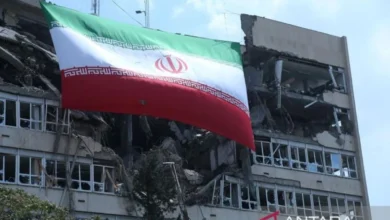
The Iranian government officially announced the reopening of the Strait of Hormuz to commercial maritime traffic on Monday, April 20, effectively ending a high-tension closure that had been implemented just two days prior. The decision to restore access to one of the world’s most critical energy transit corridors comes after a weekend of intense geopolitical maneuvering and military posturing between Tehran and Washington. Despite the resumption of shipping activities, Iranian officials have issued a stern ultimatum, asserting that the waterway could be shuttered once again if the United States continues to enforce what Tehran describes as an "illegal blockade" outside the mouth of the strait.
The announcement was confirmed by Iranian Foreign Minister Abbas Araghchi, who utilized social media platforms and state-aligned news agencies to disseminate the update to the international community. In a statement posted to X (formerly Twitter), Araghchi declared that the maritime routes for all commercial vessels through the Strait of Hormuz are now "fully open for the remainder of the ceasefire period." This statement, while providing immediate relief to global shipping markets, has introduced a new layer of diplomatic ambiguity regarding the specific terms and duration of the peace agreement currently in place.
The Ambiguity of the Ceasefire Agreements
A significant point of confusion remains regarding which specific ceasefire Minister Araghchi was referring to in his announcement. Regional observers and diplomatic analysts have pointed to two distinct possibilities that could dictate the stability of the region in the coming weeks. The first is a recently brokered 10-day ceasefire between Lebanon-based Hezbollah and Israeli forces, which was scheduled to take effect at midnight. This truce is seen as a localized effort to de-escalate the northern front of the broader Middle East conflict.
The second possibility involves a more comprehensive two-week ceasefire agreement reportedly established between Iran and the United States, which allegedly commenced on April 8. This broader agreement was intended to provide a "cooling-off" period following a series of escalatory military exchanges in early April. The lack of clarity from the Iranian Foreign Ministry has left shipping companies and global commodity traders in a state of cautious optimism, as the expiration of either ceasefire could lead to a renewed closure of the strait.
Iran’s strategy of linking the opening of the Strait of Hormuz to the extension of ceasefires in neighboring conflict zones, particularly Lebanon, underscores Tehran’s use of the waterway as a primary lever of geopolitical influence. By threatening the flow of global energy, Iran seeks to compel international powers to pressure Israel and the United States into concessions regarding regional military operations and economic sanctions.
Shipping Data and Maritime Activity Trends
Despite the official closure that occurred on Saturday, April 18, real-time data from maritime analytics firm Kpler indicates that the strait remained a focal point of activity even during the height of the standoff. According to Kpler, more than 20 vessels successfully navigated the Strait of Hormuz on Saturday, representing the highest single-day volume of traffic recorded since March 1. This surge in movement is particularly notable given that it occurred just 24 hours after Iran had initially moved to block the route in response to what it described as "brutal" military strikes by U.S. and Israeli forces.
Of the ships that successfully transited the strait during the period of restricted access, at least five were identified as having recently loaded cargoes at Iranian ports. These vessels were reportedly carrying a mix of Iranian petroleum products and refined metals, highlighting Iran’s continued effort to export its resources despite international pressure. Furthermore, three vessels were identified as Liquefied Petroleum Gas (LPG) carriers, with at least one ship destined for China and another for India. These two nations remain the primary buyers of Iranian energy products, and their continued trade reflects the complex web of economic dependencies that define the Persian Gulf’s maritime economy.
The fact that shipping reached a peak during a period of declared closure suggests that either the blockade was not absolute or that certain vessels, particularly those aligned with Iranian interests or those of its major trading partners, were granted safe passage while Western-affiliated tankers faced higher risks.
Strategic Importance of the Strait of Hormuz
The Strait of Hormuz is widely regarded as the most important oil transit "choke point" in the world. Located between Oman and Iran, the waterway connects the Persian Gulf with the Gulf of Oman and the Arabian Sea. At its narrowest point, the strait is only 21 miles wide, with shipping lanes in each direction being only two miles wide, separated by a two-mile buffer zone.
The strategic significance of this narrow passage cannot be overstated:
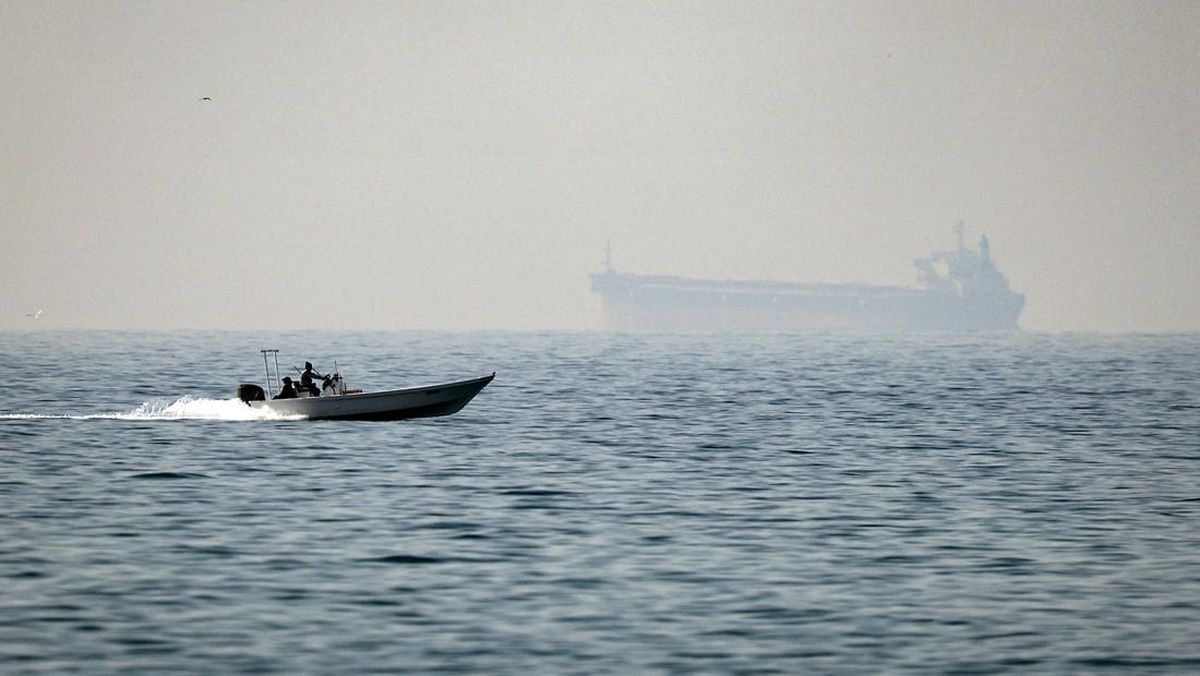
- Energy Volume: Approximately 20% to 25% of the world’s total petroleum consumption passes through the strait daily. This includes nearly 21 million barrels of crude oil and refined products.
- Liquefied Natural Gas (LNG): The strait is also a vital artery for the global LNG market, with Qatar—the world’s largest LNG exporter—relying almost exclusively on the passage to reach markets in Europe and Asia.
- Economic Impact: Any prolonged disruption to the strait typically results in an immediate and sharp spike in global oil prices. During previous periods of tension, Brent crude prices have been known to jump by 5% to 10% within hours of a reported incident.
- Shipping Logistics: Beyond oil, the strait is a primary route for container ships carrying consumer goods, machinery, and food supplies to the Gulf Cooperation Council (GCC) states, including Saudi Arabia, the United Arab Emirates, and Kuwait.
Historical Context and the Pattern of Escalation
The recent closure and subsequent reopening of the Strait of Hormuz follow a historical pattern of "tanker wars" and maritime brinkmanship that dates back to the 1980s. During the Iran-Iraq War, both nations targeted each other’s commercial shipping in an attempt to cripple the opponent’s economy. In recent years, specifically since 2019, the region has seen a resurgence of these tactics, characterized by mine attacks, drone strikes on tankers, and the seizure of vessels by the Islamic Revolutionary Guard Corps (IRGC).
The current escalation is rooted in the broader collapse of diplomatic norms following the intensification of the conflict between Israel and regional proxies. Iran’s decision to close the strait on April 18 was framed as a retaliatory measure against U.S. and Israeli military actions. Tehran has long maintained that if it is prevented from exporting its own oil due to U.S. sanctions and naval "blockades," it will ensure that no other nation in the region can export oil through the strait either.
Global Economic Implications and Market Reaction
The reopening of the strait has provided a momentary reprieve for global markets, which had begun to price in the risk of a major supply disruption. On Monday, following Araghchi’s announcement, oil futures showed signs of stabilization, though analysts warn that the "war risk premium" remains high.
Shipping insurance companies have reportedly maintained elevated premiums for vessels operating in the Persian Gulf and the Gulf of Oman. "War risk surcharges" can add hundreds of thousands of dollars to the cost of a single voyage, costs that are ultimately passed down to consumers in the form of higher fuel and energy prices. Furthermore, the threat of a re-closure has led some shipping firms to consider alternative routes, such as the East-West Pipeline in Saudi Arabia or the Abu Dhabi Crude Oil Pipeline, though neither has the capacity to fully replace the volume handled by the Strait of Hormuz.
Major Asian economies, particularly China, India, Japan, and South Korea, are the most vulnerable to disruptions in the strait. These nations rely on the Persian Gulf for the vast majority of their energy imports. A sustained closure would not only trigger an energy crisis but could also slow industrial production across the Asian continent, leading to a ripple effect throughout the global supply chain.
International Reactions and Diplomatic Stalemate
The international community has reacted to the reopening with a mixture of relief and skepticism. A spokesperson for the U.S. State Department, while not commenting directly on the Iranian "blockade" claims, reiterated that the United States is committed to ensuring the "freedom of navigation" in international waters. The U.S. Fifth Fleet, based in Bahrain, has maintained a heightened state of readiness, with increased patrols to protect commercial assets.
In Europe, diplomats have urged both Tehran and Washington to adhere to the terms of the existing ceasefires to avoid a catastrophic miscalculation. The European Union has emphasized the need for a diplomatic resolution to the underlying conflicts in Lebanon and Gaza, which continue to serve as the primary drivers of maritime instability.
Meanwhile, regional powers like Saudi Arabia and the United Arab Emirates find themselves in a delicate position. While they rely on the strait for their economic survival, they are also wary of being caught in the crossfire of a direct military confrontation between Iran and the West. These nations have been quietly engaging in "back-channel" diplomacy to ensure that commercial shipping remains insulated from political and military disputes.
Analysis of Future Risks
The situation in the Strait of Hormuz remains a "frozen conflict" that could thaw into active hostility at any moment. The conditional nature of the reopening—hinging on the behavior of the U.S. Navy and the longevity of fragile ceasefires—suggests that the maritime security environment in the Persian Gulf is entering a new era of volatility.
Key factors to watch in the coming weeks include:
- Naval Interactions: Any close-quarters encounter between the IRGC Navy and U.S. warships could serve as a catalyst for another closure.
- Sanctions Enforcement: If the U.S. increases its efforts to seize Iranian oil tankers in international waters, Iran is likely to follow through on its threat to block the strait.
- Ceasefire Expirations: As the 10-day and 14-day windows for the current ceasefires close, the risk of a return to "maximum pressure" tactics increases.
In conclusion, while the reopening of the Strait of Hormuz on April 20 is a positive development for the global economy, it does not represent a resolution of the underlying tensions. The waterway remains a hostage to the broader geopolitical struggles of the Middle East. As long as the "blockade" rhetoric persists and regional ceasefires remain precarious, the world’s most important energy artery will continue to operate under a shadow of uncertainty, with the potential for sudden and disruptive closures remaining a constant threat.
Related posts: