Indonesia’s National Rural and Fishery Cooperative Recruitment Sees Overwhelming Response, Surpassing 383,000 Applicants


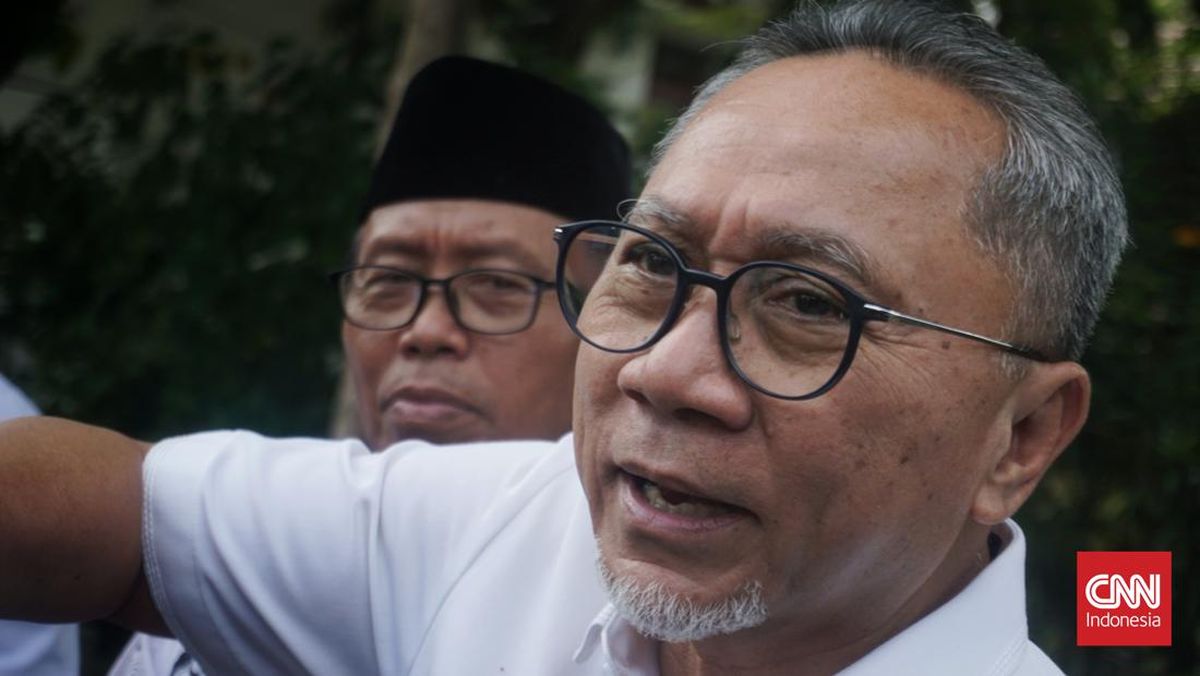
Minister Coordinator for Food Affairs, Zulkifli Hasan, widely known as Zulhas, has announced an extraordinary surge in applications for managerial positions within the Koperasi Desa Merah Putih (Kopdes Merah Putih) and Kampung Nelayan Merah Putih programs. The total number of registrants has soared to an impressive 383,830 individuals, far exceeding initial expectations and even causing temporary disruptions to the official registration website due to the sheer volume of traffic. This unprecedented interest underscores a significant public demand for opportunities within government-backed initiatives aimed at strengthening grassroots economic sectors.
Unprecedented Demand Overwhelms Digital Infrastructure
The announcement was made by Minister Hasan during a press conference held at the Coordinating Ministry for Food in Central Jakarta on Monday, April 20th. He highlighted that the overwhelming number of applicants, reaching 383,830 as of the latest update at 10:30 AM on the day of the conference, had occasionally caused the registration website to experience technical glitches and become unresponsive. This digital bottleneck, while a minor inconvenience, serves as a powerful testament to the broad appeal and perceived value of the programs among the Indonesian workforce, particularly those seeking stable employment within the state-owned enterprise (BUMN) framework.
The minister provided a detailed breakdown of the application figures, revealing a substantial increase in just a single day. The day prior to the announcement, the total number of registrants stood at 284,393. This signifies an addition of nearly 100,000 new applicants within a 24-hour period, demonstrating a rapid acceleration in interest as word of the program spread. Of the initial 284,393 applicants, 220,364 had opted for the Kopdes Merah Putih program, while 64,029 had chosen the Kampung Nelayan Merah Putih initiative. The updated figure of 383,830 further solidifies the dominance of the Kopdes program in attracting applicants, indicating a strong interest in rural cooperative development.
Strategic Pillars for National Economic Empowerment
The Koperasi Desa Merah Putih and Kampung Nelayan Merah Putih programs are central to the government’s broader strategy to fortify Indonesia’s cooperative sector and uplift traditional fishing communities. These initiatives are not merely about creating jobs; they represent a concerted effort to enhance food security, reduce poverty, and foster economic equity across the vast Indonesian archipelago. The "Merah Putih" (Red and White) branding itself is deeply symbolic, invoking national identity and unity, signaling a nationwide commitment to self-reliance and prosperity at the local level.
Indonesia, with its immense agricultural and maritime potential, has long recognized the importance of cooperatives and small-scale community enterprises as cornerstones of its economy. However, these sectors often face challenges such as limited access to capital, insufficient managerial expertise, and weak market linkages. The government’s current program directly addresses these gaps by injecting professional management into these vital community-based economic units. By doing so, it aims to transform traditional cooperatives and fishing villages into more robust, efficient, and competitive entities capable of contributing significantly to the national GDP. This strategic push aligns with the country’s long-term development goals of building a more resilient and inclusive economy, especially in the wake of global economic uncertainties.
A Commitment to Meritocracy and Open Selection
Minister Hasan emphatically reiterated the government’s unwavering commitment to ensuring a recruitment process that is transparent, fair, and open to all qualified candidates. He stressed that there are absolutely no special channels or guaranteed entry points for any participant, reinforcing the principle of meritocracy. "We declare that the registration is open, transparent, honest, and no one can guarantee acceptance," he stated, aiming to dispel any notions of favoritism or corruption in the selection process. This assurance is crucial for maintaining public trust and ensuring that the most capable individuals are selected to lead these important community initiatives.
The recruitment drive is part of an ambitious plan to fill approximately 35,476 positions in its initial phase. This includes 30,000 managers for Kopdes Merah Putih and 5,476 managers for Kampung Nelayan Merah Putih. These figures highlight the massive scale of the program and the government’s dedication to establishing a strong managerial backbone for these grassroots organizations nationwide. The emphasis on an open and fair process is also a response to past concerns sometimes associated with large-scale government recruitments, aiming to set a new standard for public sector employment opportunities.
Tangible Progress in Cooperative Infrastructure
Beyond the impressive recruitment figures, Minister Hasan also provided an update on the physical development of the Kopdes Merah Putih infrastructure. He reported significant progress in establishing the necessary facilities for these cooperatives. As of the latest assessment, 35,408 locations have been identified and confirmed to meet the required standards for development. This foundational work is critical for the operational success of the cooperatives, ensuring they have the physical space and resources to conduct their activities effectively.
Furthermore, construction is actively underway at 25,625 of these identified locations, demonstrating a rapid pace of implementation. A notable 5,714 sites have already been completed, signaling the program’s transition from planning to tangible execution. This dual-track approach—simultaneously recruiting managers and building infrastructure—underscores the government’s comprehensive strategy to ensure that once managers are in place, they have ready-to-operate facilities. This integrated development model is essential for achieving the program’s ambitious targets and ensuring the sustainability of the cooperatives from their inception. The completion of these facilities will provide vital hubs for economic activity, storage, processing, and distribution, directly benefiting local communities.
Driving National Economic Resilience Through Grassroots Initiatives
The recruitment of managers for Kopdes and Kampung Nelayan Merah Putih is a cornerstone of a broader national program designed to strengthen the cooperative sector and uplift traditional fishing villages across Indonesia. This initiative aligns with the government’s long-term vision for sustainable economic development, particularly in rural and coastal areas, which often serve as the backbone of the nation’s food production. By enhancing the management capabilities of these grassroots organizations, the government aims to unlock their full economic potential, fostering self-sufficiency and improved livelihoods for millions of Indonesians.
The government has set an ambitious target to establish over 30,000 Kopdes Merah Putih units by mid-2026. Achieving this goal requires a steady supply of competent and dedicated human resources. Minister Hasan previously emphasized the critical need for skilled personnel to drive the acceleration of cooperative formation across various regions. This program is therefore not just about filling positions; it’s about building a robust ecosystem for rural and fishery development, creating a network of well-managed cooperatives that can collectively contribute to national economic resilience and food security. The focus on professional management is expected to introduce modern business practices, improve efficiency, and enhance market access for cooperative members.
Formalizing Rural Employment Through State-Owned Enterprises
A significant aspect of this program is the employment status offered to successful candidates. Those who pass the rigorous selection process will be employed as State-Owned Enterprise (BUMN) employees under a Fixed-Term Employment Agreement (Perjanjian Kerja Waktu Tertentu or PKWT). Specifically, managers for the Koperasi Desa Merah Putih will be placed under PT Agrinas Pangan Nusantara, while those managing Kampung Nelayan Merah Putih will be employed by PT Agrinas Jaladri Nusantara. This structure signifies the government’s commitment to providing formal, stable employment opportunities in rural and coastal areas, a crucial step towards professionalizing these sectors.
The involvement of PT Agrinas Pangan Nusantara and PT Agrinas Jaladri Nusantara, which are subsidiaries likely focused on the food and maritime sectors respectively, ensures that the new managers are integrated into a larger, more structured corporate framework. This affiliation is expected to provide access to corporate resources, training, and oversight, which are often lacking in independent community cooperatives. It also aims to bridge the gap between traditional community-based economic activities and modern corporate governance, bringing efficiency and accountability to these vital sectors. This strategic alignment is intended to foster growth, innovation, and sustainability within the cooperatives, allowing them to better serve their members and contribute to the national economy.
Recruitment Pathways and Eligibility Criteria
The entire recruitment process is conducted online through the official website of the National Selection Committee (Panselnas) at phtc.panselnas.go.id. This digital approach ensures broad accessibility for applicants from across the country and streamlines the application process. The program is open to a wide range of educational backgrounds, welcoming graduates with D3, D4, and S1 degrees from all academic disciplines. This inclusive approach reflects the diverse skill sets required for managing cooperatives and fishing villages, from agricultural science to business management and community development.
Eligibility criteria include a maximum age of 35 years and a minimum Grade Point Average (IPK) of 2.75. These requirements aim to attract relatively young, well-educated, and dynamic individuals who can bring fresh perspectives and energy to the cooperatives. The government has also explicitly stated that the entire selection process is free of charge, with all transactions and communications strictly limited to the official channels. This measure is critical to prevent fraud and ensure that all applicants have an equal and fair opportunity to participate without financial burden, reinforcing the transparency and integrity of the recruitment.
Navigating the Path to Sustainable Rural Development
While the overwhelming response to the recruitment drive signals immense potential, the program is not without its challenges. The sheer volume of applications necessitates a robust and impartial selection mechanism to identify the most suitable candidates. Ensuring that the selected managers possess not only academic qualifications but also practical leadership skills, an understanding of community dynamics, and a genuine commitment to cooperative principles will be paramount. The success of Kopdes Merah Putih and Kampung Nelayan Merah Putih hinges on the quality of their management and their ability to navigate local market conditions, secure funding, and foster member engagement.
Furthermore, the sustainability of these newly formed or strengthened cooperatives will require ongoing support beyond initial infrastructure and managerial deployment. This includes continuous training, access to technology, market linkage facilitation, and effective regulatory oversight. The government’s ambitious target of over 30,000 Kopdes units by mid-2026 implies a massive logistical and administrative undertaking. Careful planning and execution will be essential to ensure that the rapid expansion does not compromise the quality and effectiveness of individual cooperatives. However, the program also presents an unparalleled opportunity to revitalize rural economies, create dignified employment, and empower local communities, potentially setting a new benchmark for national development initiatives.
Economic Analysts Weigh In on Program’s Potential
Economic observers and development specialists generally view the Kopdes Merah Putih and Kampung Nelayan Merah Putih programs as a vital step towards inclusive economic growth in Indonesia. Analysts highlight that by formalizing management roles within cooperatives and integrating them into the BUMN structure, the government is not only providing job security but also professionalizing sectors that have historically been informal or semi-formal. This institutional strengthening is expected to lead to greater efficiency, better resource management, and improved access to financing and markets for cooperative members.
Experts suggest that if successfully implemented, the program could significantly contribute to poverty reduction, particularly in rural and coastal areas where economic opportunities are often limited. The creation of stable, well-managed cooperatives can act as catalysts for local economic development, fostering entrepreneurship and enhancing the value chain of agricultural and fishery products. However, some analysts also caution that the government must ensure robust monitoring and evaluation mechanisms are in place to track the performance of these cooperatives and address any emerging challenges promptly. The long-term success will depend on adapting to local needs, fostering genuine community ownership, and building resilient business models that can withstand market fluctuations. The program’s potential to bridge urban-rural development gaps and enhance national food sovereignty is widely recognized as a critical component of Indonesia’s future economic landscape.
In conclusion, the overwhelming public response to the Kopdes Merah Putih and Kampung Nelayan Merah Putih recruitment drive signals a strong public appetite for formal employment opportunities and participation in national development initiatives. With robust infrastructure development underway and a clear commitment to transparency and meritocracy, the government’s ambitious program is poised to make a significant impact on Indonesia’s rural and fishery sectors. The coming years will be crucial in demonstrating the program’s capacity to transform grassroots economies and contribute substantially to the nation’s broader economic resilience and prosperity.
Related posts: