Eastern Indonesia Sees 125 Percent Surge in Subsidized Fertilizer Absorption Amidst Key Policy Reforms


Jakarta, CNN Indonesia – Subsidized fertilizer absorption in Eastern Indonesia has experienced a remarkable 125 percent surge in April of this year compared to the same period last year, marking a significant milestone in the nation’s agricultural support programs. This substantial increase, reaching 332,255 tons by April 14, 2026, highlights the effectiveness of recent government regulatory simplifications and price adjustments, coupled with PT Pupuk Indonesia (Persero)’s robust supply chain management amidst complex global geopolitical dynamics. The positive trajectory is expected to bolster food security and improve farmer welfare across the often-challenging agricultural landscapes of the eastern archipelago.
The Critical Role of Subsidized Fertilizers in Indonesian Agriculture
Indonesia, an agrarian nation with a vast population, places immense importance on agricultural productivity and food self-sufficiency. Subsidized fertilizers are a cornerstone of the government’s strategy to support smallholder farmers, who constitute the backbone of the country’s food production system. These subsidies aim to reduce production costs, encourage optimal nutrient application, and ultimately boost crop yields, thereby enhancing farmer incomes and contributing to national food security. Without these vital inputs, many farmers, particularly those operating on thin margins, would struggle to afford the necessary fertilizers, leading to reduced productivity and potential food shortages.
Historically, the distribution of subsidized fertilizers in Indonesia, especially in remote and geographically diverse regions like Eastern Indonesia, has presented considerable logistical and administrative challenges. Issues such as complex eligibility criteria, bureaucratic hurdles, and the potential for price manipulation at the retail level have often hindered efficient access for the intended beneficiaries. PT Pupuk Indonesia (Persero), as the state-owned enterprise entrusted with the production and distribution of these crucial agricultural inputs, plays a pivotal role in overcoming these obstacles, ensuring that fertilizers reach farmers efficiently and at regulated prices.
Unprecedented Surge in Eastern Indonesia: A Deep Dive into the Data
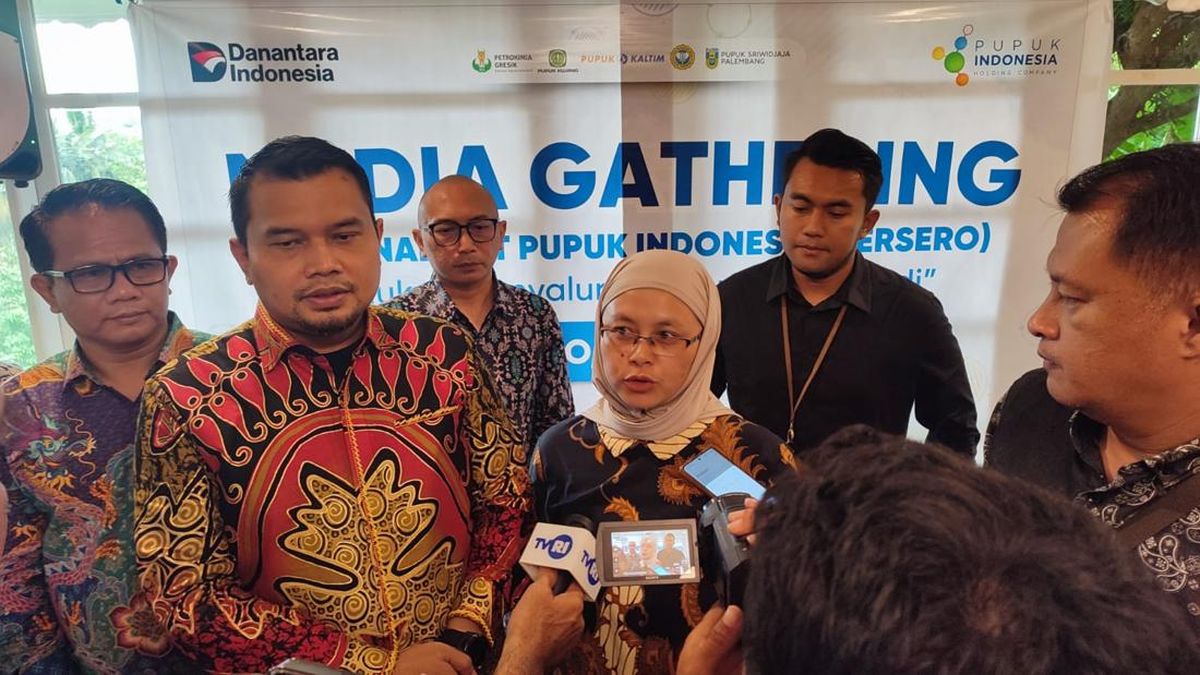
The reported 125 percent jump in subsidized fertilizer absorption, translating to 332,255 tons by mid-April 2026, is a testament to the intensified efforts and policy reforms. This figure represents a dramatic increase from the 147,669 tons absorbed during the equivalent period in 2025, signaling a profound shift in accessibility and uptake. Wisnu Ramadhani, Regional CEO 4 of PT Pupuk Indonesia (Persero), conveyed this impressive data during a media gathering in Manado on Friday, April 17, underscoring the success of their integrated strategies.
Eastern Indonesia encompasses a vast and diverse geographical area, including key agricultural provinces such as South Sulawesi, Central Sulawesi, Southeast Sulawesi, West Nusa Tenggara, East Nusa Tenggara, Maluku, North Maluku, Papua, and West Papua. These regions are crucial for the production of various staple crops like rice, corn, and soybeans, as well as plantation commodities like coffee, cocoa, and spices. The substantial increase in fertilizer absorption in these areas directly correlates with enhanced cultivation activities and improved agricultural practices, potentially impacting hundreds of thousands of farmers and contributing significantly to the region’s overall agricultural output. This volume, if applied judiciously, could support the cultivation of hundreds of thousands of hectares of farmland, leading to a tangible increase in harvest yields and contributing directly to the nation’s food reserves. The surge suggests that more farmers in these traditionally underserved regions are now able to access and utilize the subsidized inputs they need, moving closer to optimal nutrient management for their crops.
Regulatory Streamlining: A Catalyst for Enhanced Access and Affordability
The significant uptick in fertilizer absorption is primarily attributed to a series of strategic policy adjustments by the Indonesian government, aimed at simplifying the distribution process and enhancing affordability. A cornerstone of these reforms is Presidential Regulation (Perpres) Number 6 of 2025. This regulation introduced a streamlined framework for subsidized fertilizer distribution, fundamentally altering the landscape for farmers and distributors alike.
Before Perpres No. 6/2025, the process for farmers to obtain subsidized fertilizers was often cumbersome, involving multiple layers of administrative procedures and documentation. The new regulation sought to simplify eligibility criteria, optimize the allocation mechanism, and reduce bureaucratic hurdles that previously created bottlenecks. Key improvements included:
- Simplified Farmer Registration: The regulation likely streamlined the registration process for farmers, possibly integrating with digital platforms (e.g., e-RDKK, a digital farmer needs registration system) to make it easier for eligible farmers to be identified and receive their allocations. This reduces the time and effort farmers need to expend to access subsidies.
- Clearer Distribution Channels: By clarifying the roles and responsibilities of distributors, kiosks, and local agricultural offices, the Perpres aimed to create a more transparent and efficient supply chain from production sites to the ultimate beneficiaries.
- Enhanced Monitoring and Oversight: The simplified framework also facilitated better monitoring of fertilizer movement, reducing the potential for diversion or misuse and ensuring that fertilizers reached the intended farmers at the correct prices.
Parallel to these regulatory simplifications, the government also implemented a 20 percent reduction in the Highest Retail Price (HET) for subsidized fertilizers, effective since October 22, 2025. This direct financial incentive made fertilizers significantly more affordable for farmers. For many smallholder farmers, even a modest reduction in input costs can substantially impact their profitability and willingness to invest in optimal farming practices. The HET reduction, therefore, served as a powerful demand-side driver, encouraging greater uptake of the available subsidized products.
Furthermore, a significant expansion of the subsidized fertilizer program in 2026 included allocation for the fisheries sector. This strategic move acknowledges the critical role of aquaculture and inland fisheries in Indonesia’s food security and rural livelihoods. Fertilizers are vital in aquaculture for pond preparation, enhancing water quality, and promoting the growth of natural feed for aquatic organisms. By extending subsidies to this sector, the government aims to boost productivity in fish farming, support fish farmers, and diversify the sources of affordable protein for the population. This inclusion demonstrates a more holistic approach to agricultural and food sector support, recognizing the interconnectedness of various primary production activities.
Ensuring Supply Amid Global Headwinds: Pupuk Indonesia’s Resilience Strategy
The global landscape for agricultural inputs has been fraught with challenges in recent years, primarily due to escalating geopolitical tensions and supply chain disruptions. Wisnu Ramadhani highlighted that Pupuk Indonesia’s consistent supply stability, despite these "global geopolitical challenges," is a testament to the company’s strategic foresight and operational resilience. Global conflicts, such as the ongoing war in Ukraine and tensions in the Red Sea, have severely impacted international fertilizer markets. These events have led to:
- Volatile Raw Material Prices: Natural gas, a primary feedstock for urea production, and other essential minerals like phosphate rock and potash, have seen significant price fluctuations.
- Supply Chain Disruptions: Shipping delays, increased freight costs, and logistical bottlenecks have made it challenging to source raw materials and distribute finished products internationally.
- Export Restrictions: Some major fertilizer-producing nations have imposed export restrictions to secure domestic supplies, further tightening the global market.
In response to these external pressures, Pupuk Indonesia has implemented a robust two-pronged strategy to ensure uninterrupted domestic supply:
-
Urea Self-Sufficiency with Domestic Gas Supply: Indonesia possesses substantial natural gas reserves, which are the primary feedstock for producing urea, the most widely used nitrogen fertilizer. Pupuk Indonesia’s ability to leverage these domestic gas supplies provides a critical strategic advantage. This self-reliance insulates the company from the volatility of international natural gas prices and ensures a stable, predictable supply for urea production. By having a secure and localized source of this vital raw material, Pupuk Indonesia can maintain consistent production levels, crucial for meeting national demand without being overly exposed to global market whims. This domestic sourcing strategy not only ensures stability but also contributes to the nation’s energy independence in the industrial sector.
-
Diversification of Other Raw Material Sources: For other critical fertilizer components, such as phosphate rock and potash (essential for NPK fertilizers), which Indonesia does not produce in sufficient quantities domestically, Pupuk Indonesia has adopted a strategy of diversifying its import sources. By consciously procuring these materials from "countries outside conflict zones," the company minimizes its exposure to geopolitical risks. For instance, instead of relying heavily on a single region that might be prone to instability, Pupuk Indonesia strategically sources phosphate rock from regions like North Africa (e.g., Morocco, Tunisia) and potash from countries like Canada or Belarus (if not affected by sanctions), ensuring a broader and more resilient supply network. This proactive approach mitigates potential disruptions, ensures competitive pricing, and maintains the overall stability of the fertilizer production process.
Operational Excellence and Farmer-Centric Distribution
Beyond policy and supply chain resilience, Pupuk Indonesia’s operational efficiency is paramount to the success of the subsidized fertilizer program. Wisnu Ramadhani explicitly confirmed that subsidized fertilizer stocks in Eastern Indonesia are "in good condition" and "ready to be redeemed by registered farmers according to allocation." This assurance highlights the effectiveness of Pupuk Indonesia’s logistical network, which includes:
- Extensive Storage Facilities: A network of regional warehouses and distribution centers strategically located across Eastern Indonesia ensures that fertilizers are physically available closer to farming communities, reducing transportation times and costs.
- Robust Distribution Channels: Pupuk Indonesia collaborates with a vast network of authorized distributors and over 29,000 registered kiosks (Penerima Pupuk pada Titik Serah, or PPTS/pengecer) nationwide. These kiosks serve as the crucial last-mile link, directly serving farmers in their local communities.
- Digital Monitoring Systems: To ensure transparency and prevent misuse, Pupuk Indonesia employs digital monitoring systems, such as the use of electronic cards (Kartu Tani) or similar digital registration systems. These systems verify farmer eligibility, track fertilizer redemption, and ensure that farmers receive their allocated quantities at the official HET.
Crucially, Pupuk Indonesia reiterates its commitment to ensuring that these kiosks serve registered farmers strictly "according to the HET set by the government." This is vital for maintaining the integrity of the subsidy program and protecting farmers from price gouging. Strict oversight, combined with clear guidelines and potential penalties for non-compliance, ensures that the financial benefits of the subsidy are fully realized by the farmers, not siphoned off by intermediaries. The "registered farmers" aspect is also key, referring to those who have been verified through the government’s farmer registration database (often via the RDKK or e-RDKK system), ensuring targeted and equitable distribution.
Impact and Broader Implications: Fostering Food Security and Regional Development
The surge in subsidized fertilizer absorption in Eastern Indonesia carries profound implications for the region and the nation as a whole:
- Enhanced Food Security: Increased access to affordable fertilizers directly translates to improved agricultural productivity. Higher yields for staple crops like rice, corn, and other foodstuffs contribute significantly to Indonesia’s national food reserves, reducing reliance on imports and strengthening food sovereignty. This is particularly crucial in a world grappling with increasing food insecurity challenges.
- Improved Farmer Welfare: For smallholder farmers, the combined effect of regulatory simplification, reduced HET, and reliable supply means lower production costs and potentially higher revenues from increased yields. This directly improves their economic well-being, allowing them to invest more in their farms, improve their living standards, and contribute more effectively to the local economy. It also helps alleviate poverty in rural areas.
- Accelerated Regional Agricultural Development: Eastern Indonesia has historically faced disparities in infrastructure and access to agricultural inputs compared to western parts of the country. This successful program demonstrates a concerted effort to bridge that gap, fostering more equitable agricultural development. By empowering farmers in these regions, it stimulates local economies, creates employment opportunities, and contributes to overall regional growth.
- Validation of Government Policy: The positive results serve as a strong validation of the government’s strategic agricultural policies, particularly the effectiveness of Perpres No. 6/2025 and the HET reduction. It underscores the importance of well-designed, farmer-centric policies in achieving tangible outcomes. It also highlights the efficacy of collaboration between government agencies and state-owned enterprises in implementing national programs.
- Strengthening Pupuk Indonesia’s Role: The success reinforces Pupuk Indonesia’s critical role as a strategic national asset, not just as a producer but as a key enabler of agricultural development and food security. Its ability to navigate complex global markets while maintaining domestic supply showcases its operational capabilities and commitment to national objectives.
Challenges and Continuous Improvement
While the recent achievements are commendable, the path to sustained agricultural prosperity in Eastern Indonesia is not without its ongoing challenges. Logistical complexities due to the archipelago’s geography, the impact of climate change on farming seasons, and the continuous need for agricultural extension services to educate farmers on optimal fertilizer use remain areas requiring sustained attention. Pupuk Indonesia and the government are expected to continue their commitment to innovation, including further digital transformation of the distribution system, to enhance efficiency and reach even more remote communities. Efforts to monitor soil health and promote balanced fertilization practices will also be crucial for long-term sustainability.
In conclusion, the remarkable 125 percent surge in subsidized fertilizer absorption in Eastern Indonesia by mid-April 2026 is a clear indicator of successful policy implementation and strategic operational execution. Driven by streamlined regulations, reduced prices, and a resilient supply chain managed by PT Pupuk Indonesia, this achievement promises to significantly bolster food security, enhance farmer welfare, and accelerate agricultural development across the nation’s eastern provinces. It serves as a powerful example of how targeted government interventions, combined with the dedicated efforts of state-owned enterprises, can yield transformative results in a critical sector like agriculture, ensuring a more prosperous future for Indonesian farmers and consumers alike.
Related posts: