Bank Rakyat Indonesia Celebrates 130 Years of Driving National Economy and Financial Inclusion, Marking a Legacy of Resilience and Innovation

On December 16, 2025, PT Bank Rakyat Indonesia (Persero) Tbk, widely known as BRI, will commemorate its 130th anniversary, a monumental milestone that underscores its enduring legacy as one of Indonesia’s oldest and largest financial institutions. This significant occasion marks a century and three decades of unwavering commitment to propelling the national economy, particularly through its dedicated support for Micro, Small, and Medium Enterprises (MSMEs). More than just a financial entity, BRI’s journey reflects the nation’s own evolution, from its nascent stages under colonial rule to its current position as a dynamic, emerging economic power. The bank’s ability to adapt, innovate, and remain deeply connected to the grassroots of Indonesian society has cemented its role as a cornerstone of financial inclusion and national development.
A Legacy Forged in Social Mission: The Genesis of BRI
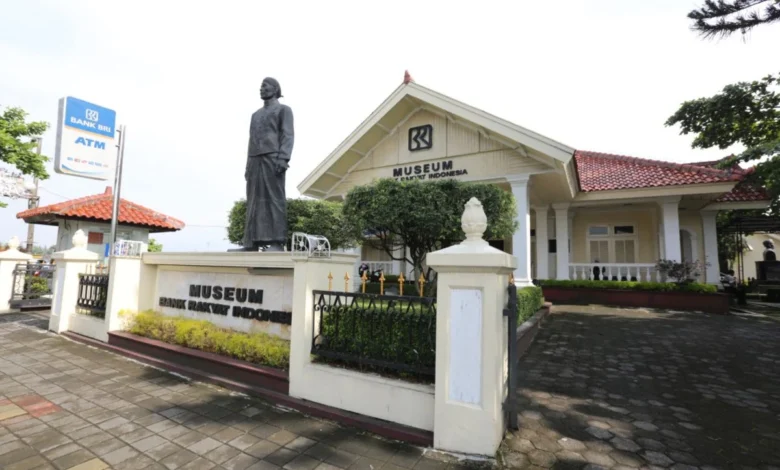
The origins of Bank Rakyat Indonesia trace back to a profound social imperative, born out of the economic hardships faced by indigenous communities in the late 19th century. On December 16, 1895, in Purwokerto, Central Java, Raden Bei Aria Wirjaatmadja, a visionary Patih (district chief), established a financial institution with a clear and noble objective: to liberate the native population, especially the priyayi (aristocratic class), from the clutches of predatory loan sharks, locally known as lintah darat. This act of profound social responsibility laid the foundation for what would become a pillar of the Indonesian economy.
Initially named De Poerwokertosche Hulp en Spaarbank der Inlandsche Hoofden (The Purwokerto Assistance and Savings Bank for Indigenous Chieftains), the institution’s mission was never purely commercial. It was imbued with a strong social ethos, focusing on serving the financial needs of the common people. This foundational value of community service and support for the underserved has remained the indelible thread weaving through BRI’s extensive history, surviving numerous political upheavals, economic crises, and structural transformations. The foresight of its founder to create a cooperative banking model, albeit in its early form, provided a sustainable mechanism for mutual aid and economic empowerment, a concept revolutionary for its time in the Dutch East Indies.
Navigating Tumultuous Eras: Colonial Rule and World War II
The early decades of BRI’s existence were characterized by the complex and often challenging environment of Dutch colonial rule and subsequent Japanese occupation. The bank underwent several transformations, both in name and operational scope, to adapt to the prevailing political and economic landscapes. During the Japanese occupation (1942-1945), for instance, the institution was renamed Syomin Ginko. Despite these external pressures and changes in nomenclature, the core spirit of serving the economic needs of the people persevered. The bank often found itself operating under stringent regulations imposed by foreign powers, yet its local management and staff consistently strived to maintain its relevance and utility for the Indonesian populace. This period tested the resilience of the institution, forcing it to innovate within constraints, laying the groundwork for its future adaptability. The ability to maintain operations, even in a modified form, during such turbulent times speaks volumes about its inherent value and the dedication of its personnel to its founding mission.
A Pillar of the Newly Independent Nation: Post-1945 Era
With Indonesia’s declaration of independence in 1945, BRI assumed an even more critical role, becoming a strategic instrument in the newly formed republic’s quest for economic sovereignty. In 1946, the fledgling Indonesian government officially designated BRI as the first state-owned bank of the Republic of Indonesia. This recognition was a powerful affirmation of BRI’s significant contributions and its potential to underpin the economic aspirations of a nascent nation. The bank became instrumental in facilitating financial transactions for the government, supporting post-war reconstruction efforts, and providing much-needed capital to a war-ravaged economy.
However, the path to stability was not without its challenges. The Indonesian National Revolution (1945-1949) saw further disruptions. In 1948, amidst the second Dutch military aggression, BRI’s activities were temporarily halted. Yet, with the signing of the Renville Agreement and the subsequent political consolidation, the bank quickly resumed operations, albeit under a new designation: Bank Rakyat Indonesia Serikat (United Bank Rakyat Indonesia). This period underscored the bank’s intrinsic link to the nation’s political fate, emerging stronger each time from adversity.
Institutional Evolution in the Mid-20th Century: Adaptability and Integration
The 1950s and 1960s were a period of dynamic institutional change for BRI, reflecting the broader socialist-leaning economic policies of President Sukarno’s era. In 1960, the government integrated BRI into a larger entity known as Bank Koperasi, Tani, dan Nelayan (BKTN), or the Cooperative, Farmer, and Fisherman Bank. This move aimed to consolidate state-owned financial institutions to better serve specific economic sectors vital to national development.
Five years later, in 1965, as part of the "bank berjuang" (fighting bank) concept – a nationalistic approach to economic institutions – BKTN was further integrated into Bank Indonesia, the central bank. During this phase, it functioned as Bank Indonesia Urusan Koperasi, Tani, dan Nelayan (Bank Indonesia’s Affairs of Cooperatives, Farmers, and Fishermen), still maintaining its focus on specific segments. Shortly thereafter, Bank Indonesia itself underwent a restructuring, being renamed Bank Negara Indonesia, which led to BRI’s unit being known as Bank Negara Indonesia Unit II. This series of integrations and reconfigurations highlighted the government’s attempts to centralize and direct financial resources towards national goals, often at the expense of individual institutional autonomy.
However, recognizing the unique mandate and specialized expertise of BRI, the government once again separated this unit into a distinct entity in 1968, re-establishing it as Bank Rakyat Indonesia. This re-emergence as an independent institution affirmed the enduring importance of its original mission and its specialized role in serving the grassroots economy. This cyclical journey of integration and separation ultimately solidified BRI’s identity and reinforced its unique position within Indonesia’s financial landscape.
Modernization and Public Ownership: The Era of PT and Digital Transformation
A pivotal moment in BRI’s modern history occurred in 1992 when its legal status was transformed into a Perseroan Terbatas (PT), a limited liability company, making it a state-owned enterprise (SOE) operating under commercial law. This change marked a significant shift towards more market-oriented operations, enhancing its corporate governance and operational efficiency. Subsequently, in 2003, BRI achieved another major milestone by becoming a publicly listed company through an Initial Public Offering (IPO) on the Indonesia Stock Exchange. This move not only diversified its ownership structure but also subjected it to greater transparency and market discipline, enabling it to raise capital for further expansion and innovation.
Since becoming a PT and then a public company, BRI has consistently reinforced its commitment to supporting the Micro, Small, and Medium Enterprises (MSME) sector. This focus is not merely a corporate strategy but a continuation of its founding social mission, scaled to meet the demands of a modern economy. BRI has become synonymous with MSME financing in Indonesia, providing crucial access to capital, financial literacy, and advisory services to millions of entrepreneurs across the archipelago. This sustained dedication has been a key driver of economic growth, job creation, and poverty alleviation in Indonesia.
The Contemporary Pillars: Financial Strength, Digital Innovation, and MSME Dominance
Today, BRI stands as a titan of the Indonesian financial sector. As of recent reporting periods, BRI manages assets in the hundreds of billions of US dollars, making it one of the largest banks in Southeast Asia by asset size. Its extensive network is unparalleled, comprising thousands of branch offices, micro-outlets, and a vast army of BRILink agents – a network of individuals and small businesses acting as banking agents, extending financial services to remote and underserved areas. This formidable presence is critical to achieving financial inclusion in a geographically diverse nation like Indonesia.
BRI’s loan portfolio consistently reflects its MSME-centric strategy, with a significant majority of its total loans directed towards this vital sector. Programs like Kredit Usaha Rakyat (KUR), a government-backed microcredit scheme, are predominantly channeled through BRI, empowering millions of small businesses with affordable financing. This has a cascading effect, stimulating local economies, fostering entrepreneurship, and creating sustainable livelihoods across rural and urban landscapes. BRI’s impact on MSMEs is not just about lending; it encompasses holistic ecosystem support, including digital platforms for business management and market access.
In recent years, BRI has aggressively pursued digital transformation, recognizing the imperative to innovate and adapt to the evolving financial technology landscape. Its digital platforms, such as BRImo (mobile banking application) and BRILink, have revolutionized how customers interact with banking services. BRImo offers a comprehensive suite of digital banking features, while BRILink agents leverage digital tools to provide services like cash withdrawals, deposits, and bill payments, bridging the gap for those without direct access to bank branches. This digital push is not merely about convenience; it is a strategic move to enhance efficiency, expand reach, and deepen financial inclusion by leveraging technology to serve more people, more effectively. The bank invests significantly in cybersecurity, data analytics, and artificial intelligence to ensure robust, secure, and personalized digital experiences for its diverse customer base.
Vision for the Future: "One Bank For All" and Sustainable Growth
For its 130th anniversary in 2025, BRI has unveiled the theme: "One Bank For All." This theme encapsulates BRI’s unwavering commitment to serving every segment of Indonesian society, from micro-entrepreneurs in remote villages to large corporations, all powered by a continuously strengthened digital ecosystem. It reflects BRI’s aspiration to be an inclusive, modern, and adaptive banking institution, aligned with its ongoing sustainable transformation agenda.
The "One Bank For All" theme signifies a holistic approach to banking, where traditional segmentation barriers are dissolved to offer seamless, integrated financial solutions. This means leveraging its vast network, both physical and digital, to provide tailored products and services that meet the diverse needs of its customers. From micro-savings accounts and small business loans to corporate financing and wealth management, BRI aims to be the comprehensive financial partner for all Indonesians. This vision is deeply intertwined with the broader national agenda of accelerating economic growth, reducing inequality, and fostering a robust digital economy.
Moreover, BRI’s commitment extends beyond financial services to embrace environmental, social, and governance (ESG) principles. Recognizing its immense footprint and influence, the bank is increasingly integrating sustainability into its operational framework and lending practices. Initiatives such as green financing, support for renewable energy projects, and community development programs, including those focused on environmental conservation (as seen with BRI Insurance’s tree planting efforts), underscore its dedication to responsible banking. This ensures that its economic contributions are balanced with social welfare and environmental stewardship, paving the way for sustainable prosperity for generations to come.
Broader Impact and Implications for Indonesia
BRI’s journey over 130 years is a microcosm of Indonesia’s own economic development. Its sustained focus on MSMEs has been a critical engine for grassroots economic empowerment, lifting countless families out of poverty and fostering a vibrant entrepreneurial culture. By providing financial access to segments traditionally underserved by formal banking institutions, BRI has been instrumental in deepening financial inclusion across the archipelago, reducing economic disparities between urban and rural areas.
The bank’s robust financial performance and innovative digital strategies position it to play an even greater role in Indonesia’s future. As the nation aims to become one of the world’s largest economies, BRI’s ability to mobilize capital, facilitate transactions, and nurture businesses will be indispensable. Its ongoing digital transformation is not just about technological advancement; it’s about future-proofing financial access and ensuring that Indonesia’s digital economy is inclusive and equitable.
Looking ahead, BRI faces the challenges of a rapidly evolving global financial landscape, including increasing competition from fintech companies, the need for continuous innovation, and adapting to new regulatory environments. However, its deep roots in the community, its proven resilience, and its forward-looking vision, encapsulated by "One Bank For All," position it strongly to navigate these complexities. BRI’s 130th anniversary is not merely a celebration of a long history; it is a reaffirmation of its vital, ongoing mission to serve the nation and its people, driving economic progress and financial well-being for all Indonesians.
Pewarta: Sean Anggiatheda Sitorus
Editor: Suryanto
Copyright © ANTARA 2025
Related posts: