Indonesia Prepares Comprehensive Incentives and Strategic Roadmap for Bioethanol Industry Development to Accelerate Energy Transition


The Indonesian government is rolling out a robust incentive program for companies investing in the domestic bioethanol industry, a pivotal move designed to bolster the nation’s ambitious, phased bioethanol mandate. This strategic initiative is poised to transform Indonesia’s energy landscape, gradually integrating bioethanol as a cleaner, renewable alternative into the national fuel mix. The roadmap envisions a progressive increase in bioethanol blending, starting with E5 (5 percent ethanol) by 2026-2027, escalating to E10 by 2028-2030, and setting a long-term trajectory towards E20. This systematic approach underscores Indonesia’s commitment to energy security, reduced fossil fuel reliance, and climate change mitigation goals.
National Bioethanol Mandate: A Phased Approach to Energy Transition
Indonesia’s journey towards a sustainable energy future is gaining significant momentum with the formalization of its bioethanol blending mandate. This policy is a crucial component of the nation’s broader energy transition strategy, aiming to diversify energy sources and reduce greenhouse gas emissions. The initial target of E5 by 2026-2027 signifies a cautious yet firm step, allowing the industry to adapt and infrastructure to be developed. This will be followed by a more substantial leap to E10 within two years, by 2028-2030, signaling a clear intent for deeper penetration of biofuels in the transport sector. The ultimate vision of E20 reflects a long-term commitment to maximizing the potential of bioethanol as a primary gasoline substitute. This phased implementation strategy is designed to ensure a smooth transition, minimizing disruptions while fostering technological advancements and capacity building within the domestic industry.
The urgency for this mandate stems from several critical factors. Indonesia, a significant crude oil importer, faces persistent challenges in maintaining energy independence amidst fluctuating global oil prices and increasing domestic fuel consumption. Bioethanol, derived from renewable biomass, offers a viable pathway to enhance energy security by reducing the reliance on imported fossil fuels. Furthermore, as the world grapples with climate change, transitioning to cleaner fuels like bioethanol aligns with Indonesia’s Nationally Determined Contribution (NDC) under the Paris Agreement, targeting a reduction in carbon emissions. The transportation sector is a major contributor to air pollution and greenhouse gases, making biofuel integration an essential strategy for environmental sustainability.
Government Incentives and Investment Drive
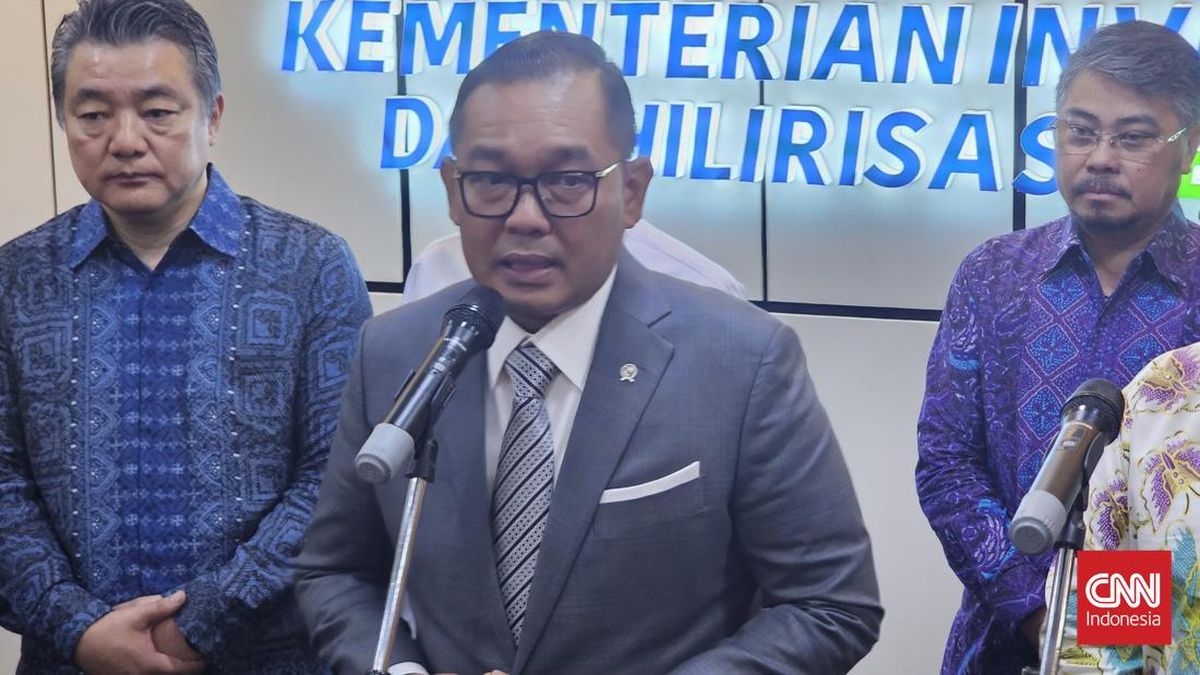
To catalyze investment and accelerate the development of the bioethanol sector, the government is preparing a comprehensive suite of incentives. Todotua Pasaribu, Deputy Minister of Investment and Downstreaming/Deputy Head of the Investment Coordinating Board (BKPM), confirmed that these incentives would mirror the successful mechanisms employed for the national biodiesel program, which saw mandates progress from B40 to B50. While specific details remain under wraps, Todotua indicated that facilities such as "tax holidays" are typically offered to investors in strategic sectors. Tax holidays, which grant temporary exemptions from corporate income tax, are powerful tools to attract both domestic and foreign direct investment, particularly in capital-intensive industries with long gestation periods.
The government’s experience with the biodiesel program provides a valuable precedent. The mandatory blending of palm oil-based biodiesel has successfully absorbed a significant portion of Indonesia’s palm oil output, stabilized prices for farmers, and reduced diesel imports. Lessons learned from this program, including challenges related to feedstock supply, pricing mechanisms, and infrastructure development, are expected to inform the bioethanol incentive structure. The emphasis on robust incentives reflects the government’s recognition that significant upfront investment is required for establishing new bioethanol production facilities and developing sustainable feedstock supply chains. This proactive approach underscores the commitment to de-risking investments and creating an attractive environment for private sector participation, aligning with President Joko Widodo’s broader "hilirisasi" (downstreaming) agenda to add value to raw commodities.
Flagship Project: Pertamina-Toyota Bioethanol Plant in Lampung
A cornerstone of Indonesia’s bioethanol strategy is the planned construction of a state-of-the-art bioethanol plant in Lampung, Sumatra. This ambitious project is a collaborative effort between Pertamina New & Renewable Energy (Pertamina NRE), a subsidiary of the national energy giant Pertamina, and Toyota Motor Asia. The partnership between an energy major and a leading automotive manufacturer highlights the inter-sectoral commitment required for a successful energy transition. The plant’s construction is slated to commence in the third or fourth quarter of 2026, marking a significant milestone in realizing the national bioethanol mandate, particularly ahead of the E10 target set for 2028.
Lampung has been strategically selected as the site for this crucial facility due to its abundant and diverse supply of potential feedstocks. Todotua Pasaribu highlighted Lampung’s strong agricultural base, capable of providing raw materials such as sugarcane, sweet potato, cassava, sorghum, and palm sugar. This multi-feedstock approach is vital for ensuring supply resilience and mitigating risks associated with reliance on a single commodity. The project extends beyond just ethanol production, encompassing the development of dedicated feedstock plantations, with a particular focus on crops like sorghum, which offer high biomass yield and adaptability. This integrated approach, from cultivation to conversion, aims to create a sustainable and localized value chain.
The initial production capacity of the Lampung plant is projected to be 60,000 kiloliters per year. While the investment value is still under calculation and subject to an ongoing feasibility study by consultants, the commitment from both Pertamina NRE and Toyota Motor Asia signals a strong belief in the project’s viability and strategic importance. The partnership with a global automotive player like Toyota is particularly significant, as it ensures that the bioethanol produced will meet the technical specifications required for modern vehicle engines and facilitates the development of compatible engine technologies.
The Promise of Second-Generation Bioethanol
A key technological differentiator for the Lampung project is its focus on second-generation (2G) bioethanol production. Unlike first-generation (1G) bioethanol, which primarily uses food crops like corn or sugarcane as feedstock, 2G technology utilizes non-food biomass, particularly agricultural waste and lignocellulosic materials. This includes sugarcane bagasse, cassava pulp, rice straw, and other plant residues that do not compete with food security. The multi-feedstock capability of 2G technology makes it particularly suitable for Indonesia, a country rich in agricultural diversity and agricultural waste streams.
The advantages of 2G bioethanol are manifold. Environmentally, it offers a more sustainable pathway as it reduces the "food vs. fuel" dilemma often associated with 1G biofuels. By valorizing agricultural waste, it also addresses waste management challenges and creates additional revenue streams for farmers. Technologically, 2G production processes, though more complex, are continuously improving in efficiency and cost-effectiveness. This advanced approach aligns with global best practices in sustainable biofuel development and positions Indonesia at the forefront of innovative biofuel production. The development of 2G bioethanol capacity is crucial for scaling up production without undue pressure on food supply or land use.
Strategic Partnerships and Research Collaboration
The Lampung bioethanol project is further strengthened by international collaboration, specifically with the Research Association of Biomass Innovation for Next Generation Automobile Fuels (RA-BIT) from Japan. RA-BIT is a prominent bioethanol research institution supported by Japan’s Ministry of Economy, Trade and Industry (METI). This partnership is expected to facilitate significant technology transfer, bringing cutting-edge research and development expertise to Indonesia. Todotua Pasaribu expressed optimism that this collaboration could also lead to the establishment of a dedicated bioethanol research facility in Indonesia, fostering local innovation and capacity building.
The involvement of RA-BIT underscores the global commitment to advancing sustainable energy solutions. Such partnerships are vital for accelerating the learning curve in complex technological areas like 2G bioethanol production. It not only provides access to advanced techniques and intellectual property but also helps in developing skilled human resources and establishing robust quality control standards. For Indonesia, building a local research and development ecosystem in bioethanol would be instrumental in customizing technologies to local feedstock conditions and ensuring long-term competitiveness.
Feedstock Development and Agricultural Synergy
The success of any bioethanol program hinges on a stable, scalable, and sustainable feedstock supply. Recognizing this, the Lampung project is not solely focused on plant construction but also on comprehensive feedstock development. The government and its partners are committed to cultivating dedicated plantations for crops like sorghum, which are known for their high biomass yield and resilience. This integrated approach ensures that the bioethanol production facilities will have a reliable and consistent supply of raw materials, minimizing dependency on external sources.
The emphasis on diverse feedstocks such as sugarcane, cassava, sweet potato, and sorghum also creates significant opportunities for Indonesia’s agricultural sector. It provides new markets and stable demand for farmers, potentially leading to increased income and rural development. Government programs supporting sustainable agricultural practices, land preparation, and farmer training will be crucial to ensure the success of feedstock cultivation. This synergy between the energy and agricultural sectors is a key benefit of the bioethanol program, contributing to economic growth, job creation, and food-energy security convergence. The utilization of agricultural waste further enhances the economic viability for farmers by transforming what was once a disposal cost into a valuable resource.
Broader Implications: Energy Security, Environment, and Economy
The robust push for bioethanol development carries profound implications across multiple dimensions for Indonesia. From an energy security perspective, reducing the nation’s reliance on imported gasoline will insulate the economy from global oil price volatility and strengthen energy independence. This strategic shift is vital for a country that has transitioned from an oil exporter to a net importer.
Environmentally, the widespread adoption of bioethanol is expected to significantly contribute to Indonesia’s climate change mitigation efforts. Bioethanol burns cleaner than conventional gasoline, resulting in lower emissions of carbon monoxide, unburnt hydrocarbons, and particulate matter. While the lifecycle emissions depend on feedstock cultivation and processing, 2G bioethanol generally offers a substantial reduction in greenhouse gas emissions compared to fossil fuels, helping Indonesia meet its NDC targets and move towards its net-zero emissions goal.
Economically, the bioethanol industry is poised to be a new engine of growth. The substantial investments in production facilities, feedstock cultivation, and research and development will create numerous job opportunities across the value chain, from agricultural labor to highly skilled engineers and researchers. It will also stimulate local economies in regions like Lampung. Furthermore, the downstream processing of agricultural commodities into high-value fuels aligns perfectly with the government’s hilirisasi agenda, fostering industrial growth and reducing reliance on raw material exports. The stability provided to agricultural markets through consistent demand for feedstocks will also benefit farmers and rural communities.
Navigating Challenges and Future Outlook
Despite the significant potential, the path to widespread bioethanol adoption is not without its challenges. Cost competitiveness remains a key hurdle; producing bioethanol at a price comparable to or lower than gasoline often requires policy support and technological advancements to improve efficiency. The government’s incentive program aims to address this, but long-term sustainability will depend on reducing production costs.
Infrastructure readiness is another critical factor. The existing fuel distribution infrastructure, including storage tanks, pipelines, and dispensing units at gas stations, needs to be adapted for higher bioethanol blends. This requires substantial investment and coordinated efforts. Ensuring vehicle compatibility is also essential, although modern vehicles are generally designed to handle E10 or even E15. For higher blends like E20, adjustments or flex-fuel vehicles might be necessary.
Feedstock availability and sustainability must be carefully managed to avoid competition with food crops and ensure environmentally responsible land use. Robust policies for sustainable land management, certification schemes, and efficient agricultural practices will be crucial. The focus on 2G bioethanol and multi-feedstock strategies inherently addresses some of these concerns, but continuous monitoring and adaptation will be required.
Looking ahead, Indonesia’s bioethanol program represents a bold and necessary step towards a more sustainable and secure energy future. The synergy between government mandates, attractive incentives, strategic industry partnerships, and a focus on advanced 2G technology positions Indonesia to become a significant player in the global bioethanol market. The phased implementation, coupled with ongoing research and development, provides a pragmatic framework for navigating potential challenges and maximizing the benefits of this vital renewable energy source. The success of this initiative will not only contribute to Indonesia’s energy independence and environmental goals but also set a precedent for other developing nations seeking to transition away from fossil fuels.