Marvel Cinematic Universe Gears Up for a Monumental 2026 with Multiverse Unfolding and New Eras Dawning

2026 is poised to be a pivotal year for the Marvel Cinematic Universe (MCU), marking a crucial juncture as the franchise navigates the complex aftermath of its multiverse saga and sets its sights on future storytelling. Following extensive narrative shifts and the introduction of vast parallel realities, Marvel Studios is preparing to unveil a slate of new superhero projects designed not only to continue the sagas of beloved characters but also to introduce groundbreaking conflicts and introduce influential new figures that will shape the MCU’s trajectory. The confirmed list of Marvel releases for 2026 has ignited significant anticipation among fans, who widely believe these projects will serve as critical connective tissue for the next overarching saga, promising an even grander scale of storytelling.
This comprehensive outlook on the MCU’s 2026 offerings provides an in-depth look at what fans can expect, drawing from official announcements and credible industry insights.
A Strategic Rollout: The 2026 MCU Release Schedule
Marvel Studios has strategically planned a diverse array of content for 2026, spanning both streaming and theatrical releases, indicating a commitment to engaging audiences across multiple platforms. The year’s lineup is a testament to the studio’s ongoing strategy of expanding its universe while grounding it in compelling character arcs and universe-altering events.
1. "Wonder Man" – A New Hero’s Genesis (January 27, Disney+)
The year will kick off on Disney+ with the premiere of "Wonder Man" on January 27, 2026. Executive produced by Destin Daniel Cretton, known for his work on "Shang-Chi and the Legend of the Ten Rings," and with Andrew Guest serving as head writer, this series is set to introduce audiences to Simon Williams. In the comic lore, Wonder Man is a powerful superhero with deep ties to the Avengers and particularly to Vision. His integration into the MCU is anticipated to have significant ramifications for the ongoing narrative, potentially influencing the dynamics of established teams and the exploration of artificial intelligence and heroism.
Yahya Abdul-Mateen II is slated to portray Simon Williams, bringing his considerable talent to the forefront of this new venture. Adding a familiar face and a touch of comic relief, Ben Kingsley is set to reprise his role as Trevor Slattery, the disgraced actor who famously impersonated the Mandarin. Slattery’s return offers a direct link to earlier MCU narratives, specifically "Iron Man 3" and "Shang-Chi," and his presence suggests that "Wonder Man" will be steeped in meta-commentary on heroism and celebrity, while also providing a bridge to established MCU lore. The series is expected to explore Williams’ unique journey and his place within the superhero community.
2. "Daredevil: Born Again" – Season 2 – Escalating Legal and Criminal Battles (March 2026, Disney+)
Following its initial season, "Daredevil: Born Again" is scheduled to return for its second season in March 2026 on Disney+. The series will continue the intense journey of Matt Murdock, portrayed once again by Charlie Cox, as he navigates the complex landscape of Hell’s Kitchen. Vincent D’Onofrio is confirmed to reprise his role as Wilson Fisk, who has ascended to a position of significant power as the Mayor of New York City. This elevation of Fisk’s political standing promises to amplify the stakes, moving beyond street-level vigilantism to explore the corrupting influence of power and the intricate legal and political machinations that Daredevil must confront.
Season two is expected to delve deeper into the ethical dilemmas Matt Murdock faces, balancing his legal career with his vigilantism, especially now that his arch-nemesis holds a public office. The narrative will likely explore the challenges of upholding justice when the system itself is compromised. Furthermore, the personal toll of Matt’s past losses and ongoing battles will undoubtedly be a central theme, adding significant emotional depth to his character. The return of this fan-favorite character signifies Marvel’s commitment to exploring the grittier, more mature corners of its universe.
3. "Spider-Man: Brand New Day" – A Fresh Start for the Web-Slinger (July 31, 2026, Theatrical Release)
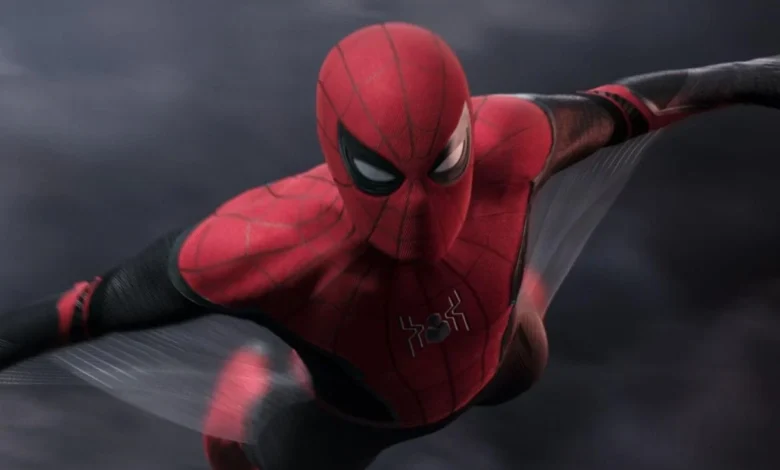
Marking the fourth live-action MCU film centered on Spider-Man, "Spider-Man: Brand New Day" is slated for a theatrical release on July 31, 2026. Tom Holland is set to return as Peter Parker, with Destin Daniel Cretton directing. While specific plot details remain under wraps, this film is widely anticipated to signify a new chapter for the character in the wake of the universe-altering events of "Spider-Man: No Way Home." Holland himself has hinted at the script’s profound emotional depth and its focus on a more mature and evolved Peter Parker.
The title itself, "Brand New Day," suggests a departure from previous storylines, perhaps indicating a period of rebuilding and reinvention for the young hero. Fans are eager to see how Spider-Man will navigate his place in a world that has experienced immense multiversal upheaval and what new challenges he will face as he steps into a more adult phase of his superhero career. The film’s theatrical release underscores its significance as a major tentpole event for Marvel Studios.
4. "X-Men ’97" – Season 2 – Expanding the Mutant Saga (Summer 2026, Disney+)
The resounding success of its inaugural season has paved the way for a second season of the animated series "X-Men ’97," scheduled for release in the summer of 2026 on Disney+. This continuation of the beloved 1990s animated series is notable for retaining its original voice cast, ensuring a seamless continuation of the narrative and preserving the cherished nostalgic tone. Marvel’s commitment to this animated iteration highlights its strategy of leveraging established properties and beloved eras to expand its animated offerings.
Season two is expected to broaden the scope of the mutant storyline, introducing more expansive conflicts and further exploring the social and political themes that have always been central to the X-Men’s narrative. The series has already demonstrated a remarkable ability to weave relevant contemporary issues into its plots, all while staying true to the core identity of the X-Men. The introduction of mutants into the wider MCU narrative has been a long-awaited development, and "X-Men ’97" serves as a significant prelude to their live-action integration.
5. "Your Friendly Neighborhood Spider-Man" – Season 2 – Animated Adventures Continue (Fall 2026, Disney+)
The animated series "Your Friendly Neighborhood Spider-Man" is confirmed to be returning for its second season in the fall of 2026 on Disney+. Following a successful debut season that introduced a variety of iconic Spider-Man characters, the series has solidified its place within Marvel’s animated lineup. Marvel has even announced plans for a third season, underscoring the importance of this animated portrayal of Peter Parker’s daily life and heroic endeavors to the broader MCU narrative strategy. This sustained focus on the animated format suggests a deliberate effort to explore different facets of the Spider-Man mythos and reach a wider audience.
6. "Avengers: Doomsday" – The Ultimate Crossover Event (Theatrical Release – Date TBC 2026)
While an exact release date within 2026 is yet to be finalized, "Avengers: Doomsday" is anticipated to be one of the most significant cinematic events of the year, if not the entire MCU. This film is expected to bring together a colossal ensemble of heroes and factions, including Wakanda, the Avengers, the New Avengers, the Fantastic Four, and the X-Men, to confront a threat of unprecedented magnitude: Doctor Doom. The casting of Robert Downey Jr. as Doctor Doom has sent shockwaves through the fandom, given his iconic portrayal of Tony Stark/Iron Man for over a decade. His transition to this villainous role marks a monumental shift and a significant surprise.
The film has already generated immense speculation through the release of four teaser trailers. The first teaser offered a poignant return of Steve Rogers, evoking nostalgia and hinting at lingering connections to past eras. The second trailer focused on Thor, signaling that the God of Thunder remains a pivotal figure in the unfolding cosmic narrative. The third teaser prominently featured the mutants, showcasing Professor X, Magneto, and Cyclops, confirming their central role in the impending conflict. The most recent teaser highlighted Wakanda, with Shuri and M’Baku leading their nation, and also included glimpses of Namor and Ben Grimm from the Fantastic Four, further solidifying the vast scale and interconnectedness of the story being built. This multi-faceted approach to teasing the film suggests a complex narrative that aims to unite disparate corners of the MCU.
7. "Vision Quest" – The Synthezoid’s Search for Self (2026, Disney+)
Slated for a 2026 release on Disney+, "Vision Quest" is positioned as a direct continuation of the events explored in "WandaVision." The series will center on Vision, with Paul Bettany reprising his role as the synthezoid hero. Terry Matalas, known for his work on "12 Monkeys," will serve as the showrunner. This series is expected to delve deeply into Vision’s quest for identity and understanding, particularly in the wake of his experiences and the complex emotional landscape left by Wanda Maximoff. The exploration of Vision’s self-discovery could have profound implications for his future role and potential connections to Wanda’s ongoing story within the MCU.
8. "The Punisher" – Marvel TV Special – A Darker Narrative Unfolds (2026, Disney+)
Marvel is also preparing to introduce Frank Castle in a "Special Presentation" format, akin to "Werewolf by Night," scheduled for a 2026 release on Disney+. Jon Bernthal is confirmed to return as The Punisher, reprising a role that garnered significant critical acclaim. This format allows for a more focused and potentially grittier exploration of the character’s brutal vigilante persona and the profound moral conflicts he embodies. By placing The Punisher in this distinct "Special Presentation" within the broader MCU, Marvel signals its intent to explore darker, more mature themes and characters that operate outside the traditional superhero mold, further expanding the universe’s thematic range.
Strategic Implications and Future Trajectories
The ambitious 2026 slate from Marvel Studios is more than just a collection of individual projects; it represents a carefully orchestrated strategy to consolidate and advance the MCU’s narrative. After navigating the complexities of the multiverse, which introduced numerous timelines, alternate realities, and variant characters, the studio appears to be laying the groundwork for a more cohesive and interconnected future.
The introduction of the Fantastic Four and the X-Men, particularly through "Avengers: Doomsday," signifies the long-awaited integration of these cornerstone Marvel franchises into the MCU. This integration is crucial for fulfilling the promise of a shared universe and for drawing upon decades of established comic book lore. The inclusion of characters like Wonder Man and the continued development of Daredevil suggest a focus on exploring different tiers of heroism, from street-level grit to cosmic-level threats.
Furthermore, the dual approach of live-action and animated content, exemplified by the return of both "X-Men ’97" and "Your Friendly Neighborhood Spider-Man," demonstrates a commitment to diverse storytelling mediums. This allows Marvel to cater to different fan preferences while ensuring that key characters and storylines are developed across the board. The "Special Presentation" format for "The Punisher" also signals an experimental approach to content delivery, enabling the exploration of niche characters and darker tones without disrupting the main cinematic flow.
The overarching goal of this 2026 lineup appears to be the unification of disparate plot threads and the introduction of conflicts and characters that will be instrumental in shaping the MCU’s next major saga. By strategically seeding these developments throughout the year, Marvel Studios is not only building anticipation for future events but also reinforcing its position as a dominant force in the entertainment landscape, capable of delivering expansive, interconnected, and enduring storytelling. The coming year promises to be a definitive chapter in the ongoing saga of the Marvel Cinematic Universe.