Jakarta, Indonesia – Pertamina International Shipping (PIS), the integrated maritime logistics arm of Indonesia’s state-owned energy giant Pertamina, has issued a comprehensive statement clarifying the composition of its maritime workforce, emphasizing the predominant role of Indonesian seafarers across its extensive fleet. The clarification comes in response to recent viral content circulating on social media platforms, which depicted foreign crew members, specifically individuals of Indian nationality, working on vessels associated with the Pertamina Group, sparking public debate and concern regarding the employment of local talent. PIS reported that a significant majority, totaling at least 4,090 Indonesian citizens, are employed as crew members (ABK WNI) on Pertamina Group vessels, encompassing both domestic and international operations. In stark contrast, the number of foreign seafarers (ABK WNA) stands at approximately 278, constituting only about six percent of the total maritime workforce across the entire Pertamina Group fleet. This detailed breakdown aims to assuage public anxieties and reinforce the company’s steadfast commitment to empowering national human resources within the critical maritime sector.
The Heart of the Matter: Workforce Breakdown and National Prioritization
The statistics provided by PIS underscore a clear preference for national seafarers within the Pertamina Group’s vast maritime operations. With 4,090 Indonesian seafarers against 278 foreign counterparts, the 94% to 6% ratio firmly establishes Indonesian professionals as the backbone of the company’s crewing strategy. This disclosure directly addresses the implicit concerns raised by the social media content, which had suggested a disproportionate reliance on foreign labor. For a nation with a rich maritime heritage and an extensive archipelago like Indonesia, the employment of its citizens in key maritime roles is not merely a corporate policy but also a matter of national pride and economic development. Indonesia is globally recognized as one of the largest suppliers of seafarers, with hundreds of thousands of its citizens working on international vessels worldwide, contributing significantly to remittances and showcasing the nation’s maritime capabilities. Therefore, any perceived deviation from prioritizing local talent within a state-owned enterprise like Pertamina, especially in a sector as vital as shipping, naturally draws public attention and scrutiny. PIS’s statement serves as a proactive measure to manage public perception and reaffirm its dedication to cultivating and utilizing domestic expertise.
Pertamina International Shipping’s Strategic Mandate and Global Ambitions
As a key Sub-Holding within the larger Pertamina Group, Pertamina International Shipping holds a crucial strategic mandate. Its primary focus lies in the maritime transportation business, specifically targeting the international market. This strategic orientation is not arbitrary; it is a calculated move designed to drive revenue growth and generate vital foreign exchange for the country through expanded global market presence. The global shipping industry is intensely competitive, requiring not only vast capital investment in vessels and infrastructure but also highly skilled personnel capable of operating in diverse international environments under stringent regulatory frameworks. PIS’s foray into international shipping is thus positioned as a significant contributor to Indonesia’s economic diversification and its ambition to play a more prominent role in global trade and logistics. By expanding its international footprint, PIS aims to enhance the company’s competitiveness on a global scale while simultaneously elevating Indonesia’s stature within the world maritime industry. The Pjs. Corporate Secretary of PIS, Vega Pita, underscored this dual objective, stating, "This is part of our strategy to strengthen the company’s competitiveness while increasing Indonesia’s role in the global maritime industry. In its operations, Pertamina’s vessels are still factually dominated by Indonesian seafarers, up to 94 percent." This statement reinforces the idea that global expansion is pursued hand-in-hand with a commitment to national empowerment.
Navigating Global Waters: International Manning Practices and Regulations
The global shipping industry operates under a complex web of international conventions, regulations, and commercial practices that often necessitate a flexible approach to crewing. PIS explained that in order to serve the international market effectively, its vessels frequently engage in collaborations with third-party charterers and ship management companies. This practice, Vega Pita elaborated, is a common and accepted norm within the international shipping community. These partnerships are crucial for several reasons: they can enhance a company’s operational capabilities, expand its global reach, provide specialized expertise for certain vessel types or routes, and ensure compliance with various flag state requirements and port state controls across different jurisdictions.
International conventions such as the International Convention on Standards of Training, Certification and Watchkeeping for Seafarers (STCW) and the Maritime Labour Convention (MLC, 2006) set global standards for seafarer training, certification, working conditions, and rights. These conventions ensure a baseline of competence and welfare for seafarers regardless of their nationality or the flag of the ship they serve on. When PIS charters its vessels to third parties, the responsibility for crewing, including adherence to these international standards, often transfers to the charterer or the appointed ship management company. These entities are typically responsible for recruiting, training, and managing the crew, ensuring they meet the required qualifications and comply with all applicable regulations. Therefore, the presence of non-Indonesian seafarers on a PIS-owned vessel operating on international routes does not necessarily indicate a departure from PIS’s core policy but rather reflects the intricate operational realities of global maritime trade.
Case Study: The M.T. Gamsunoro and Third-Party Charters
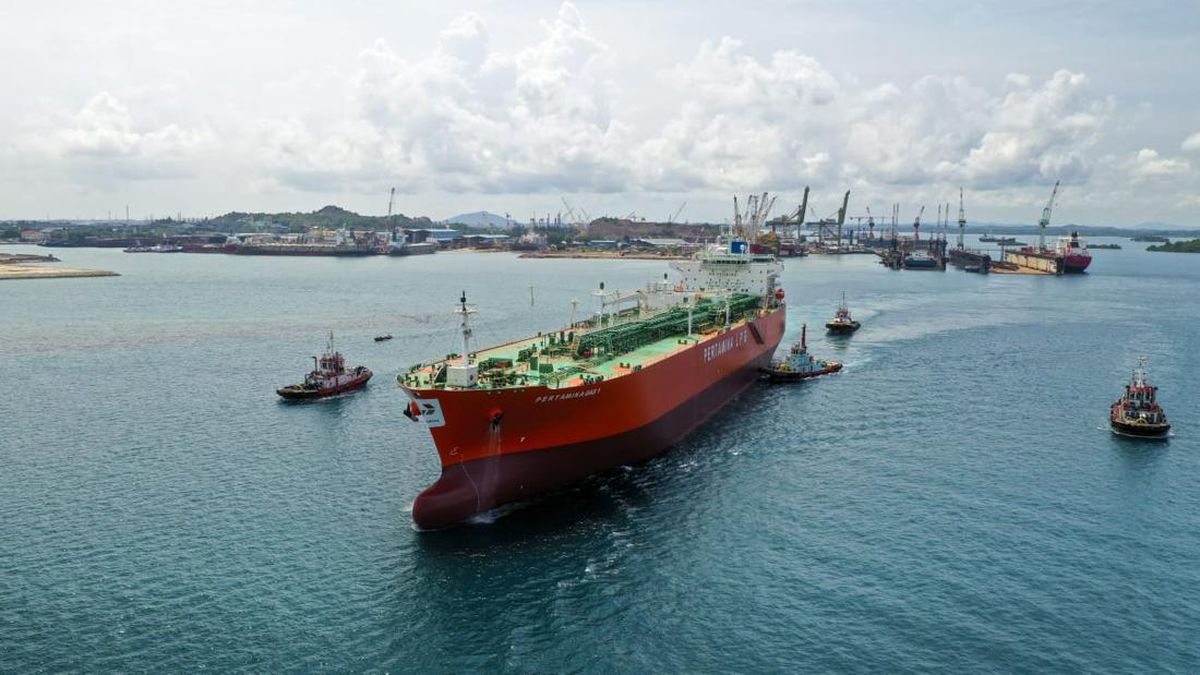
The controversy was reportedly fueled by images or videos related to the vessel M.T. Gamsunoro, a ship owned by PIS. In its statement, PIS specifically addressed the M.T. Gamsunoro, confirming that it is indeed one of its vessels dedicated to serving the international market, operating across regions including Asia, Europe, America, and Africa. Crucially, PIS clarified that the M.T. Gamsunoro is currently under charter by a third party. This third-party entity is responsible for the vessel’s operations, including the employment of its crew. PIS emphasized that this third-party charterer staffs the vessel with seafarers in full compliance with international regulations and rigorous operational standards. This distinction is vital: while PIS owns the asset, the operational control and crewing responsibilities, under the terms of the charter agreement, rest with the charterer. This model is common in the global shipping industry, where vessel owners often lease their ships to other companies that then operate them, sometimes for specific contracts or long-term routes, allowing the owner to focus on asset management and strategic investment, while the charterer handles day-to-day operations and crewing logistics. The implication here is that the presence of foreign seafarers on the M.T. Gamsunoro, while understandable for public scrutiny, is a result of a standard international business arrangement rather than a direct hiring decision by PIS itself for that particular operational segment.
Indonesia’s Maritime Legacy and Talent Development
Pertamina Group has unequivocally reiterated its strong commitment to nurturing and developing domestic talent, particularly within the maritime domain. This commitment is framed as an integral part of broader efforts to enhance the competencies of national seafarers on the global stage. Indonesia possesses a vast potential for maritime human resources, given its identity as an archipelagic nation with a long history of seafaring. The country’s numerous maritime academies and training centers produce a steady stream of qualified seafarers, many of whom seek opportunities both domestically and internationally. Pertamina’s pledge to domestic talent is therefore aligned with national aspirations to solidify Indonesia’s position as a prominent maritime nation, not just in terms of fleet size or port infrastructure, but also in the quality and quantity of its skilled seafarers. Initiatives aimed at continuous professional development, advanced training, and international certification for Indonesian seafarers are crucial for ensuring their competitiveness in a demanding global industry. By supporting its own seafarers, Pertamina contributes to the national goal of empowering its citizens and showcasing their capabilities to the world, thereby enhancing Indonesia’s soft power and economic influence in the global maritime domain. This commitment extends beyond mere employment numbers, encompassing a vision for skill upgrading and career advancement for Indonesian maritime professionals.
Economic and Reputational Implications
The clarification issued by PIS carries significant economic and reputational implications for both the company and the broader Indonesian maritime sector. Economically, PIS’s strategy to expand into international markets is a direct bid to capture a larger share of global maritime trade, generating foreign exchange revenues that are critical for national economic stability and growth. The successful execution of this strategy, while ensuring the continued employment and development of Indonesian seafarers, presents a win-win scenario. However, public perception plays a crucial role. In a country where employment opportunities for a large, young workforce are a constant concern, any indication of local jobs being supplanted by foreign labor can quickly become a sensitive issue.
PIS’s swift and detailed response demonstrates an understanding of this sensitivity and a proactive approach to reputation management. By transparently presenting its workforce data and explaining the complexities of international shipping practices, the company aims to rebuild trust and reinforce its image as a national champion that prioritizes its own citizens. Failure to address such public concerns could lead to negative sentiment, potentially impacting the company’s social license to operate, even if its operational practices are standard globally. Furthermore, the episode highlights the ongoing challenge for large state-owned enterprises to balance global commercial imperatives with nationalistic expectations, particularly concerning employment. The company’s ability to effectively communicate its strategy and commitment to national talent will be key to navigating these complex dynamics.
The Road Ahead: Strengthening National Seafaring
Looking forward, Pertamina International Shipping’s vision for its maritime operations is intricately linked with the broader development of Indonesia’s national seafaring capabilities. The commitment to maintaining a high percentage of Indonesian seafarers, even as PIS expands its international footprint, signals a long-term strategy to cultivate a robust and globally competitive national maritime workforce. This involves not only direct employment but also potentially investing in advanced training programs, collaborating with maritime educational institutions, and creating pathways for career progression for Indonesian seafarers within the Pertamina Group and its international partners.
The global maritime industry is constantly evolving, driven by technological advancements, environmental regulations, and geopolitical shifts. For Indonesia to truly capitalize on its maritime potential, its seafarers must be equipped with the most up-to-date skills, including proficiency in digital navigation, sustainable shipping practices, and advanced vessel management systems. PIS, as a leading player in the national maritime sector, is uniquely positioned to drive these advancements, ensuring that Indonesian seafarers are not only present on its vessels but are also at the forefront of maritime innovation and best practices. This strategic commitment extends beyond mere numbers, aiming for qualitative improvements that will cement Indonesia’s status as a formidable force in the global seafaring community, contributing significantly to the national economy and projecting its maritime prowess on the international stage for decades to come. The ongoing dialogue and transparency from companies like PIS are crucial for fostering public confidence and ensuring that national economic objectives are pursued in harmony with societal expectations and the empowerment of local talent.
Related posts: