Comprehensive Guide to Verifying BPJS Kesehatan Membership Status and Healthcare Facilities Online

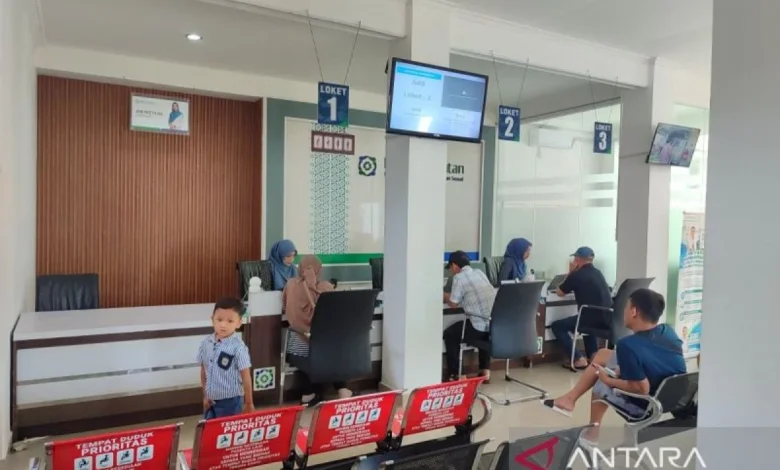
Checking the active status of BPJS Kesehatan membership prior to seeking medical treatment has become an essential administrative step for millions of participants across Indonesia. Ensuring that health insurance coverage is fully operational prevents unexpected procedural hurdles at clinics, community health centers (puskesmas), and hospitals. Furthermore, proactive verification allows participants to confirm their designated primary healthcare facilities, ensuring a seamless referral process should specialized medical intervention be required.
In the past, verifying health insurance coverage often required visiting physical branch offices, leading to long queues and wasted time. Today, the administrative landscape has evolved significantly. BPJS Kesehatan has systematically decentralized its customer service framework, offering robust digital alternatives that eliminate the need for in-person visits. Participants can now review their active status, update personal information, and inspect their assigned medical facilities through three primary digital touchpoints: the Mobile JKN application, the PANDAWA WhatsApp service, and the 24/7 BPJS Kesehatan Care Center 165.
The importance of performing these checks well in advance of a medical appointment cannot be overstated. Discovering that a policy is inactive or that personal data contains discrepancies while standing at a registration desk can cause unnecessary stress, particularly when dealing with non-emergency health issues. By verifying details beforehand, participants secure a window of opportunity to rectify administrative oversights, settle outstanding dues, or resolve data discrepancies.
Step-by-Step Guide to Using Mobile JKN for Membership Verification
Mobile JKN serves as the flagship digital application developed by BPJS Kesehatan to streamline administrative tasks, eliminate bureaucratic friction, and empower participants with direct access to their personal data. Beyond simply displaying active status, the application functions as a comprehensive health portal where users can manage dependents, view virtual membership cards, check contribution histories, and monitor telemedicine services or queue numbers at integrated health facilities.
To check membership status through Mobile JKN, users must first download the official application from recognized mobile app marketplaces such as the Google Play Store or Apple App Store. Once installed, users who already possess an account can log in using theirNIK (National Identification Number), registered email address, or membership card number, paired with their security password. First-time users are required to complete a brief registration process by providing basic identification details, verifying their email address, and setting up security credentials.
After successfully accessing the dashboard, the next step involves navigating to the participant information menu, commonly labeled as "Info Peserta." Within this section, the application displays comprehensive data, including the participant’s full name, membership classification, current active status, and the specific name and address of the Fasilitas Kesehatan Tingkat Pertama (FKTP)—the First-Level Health Facility—where they are registered.
Participants are advised to carefully scrutinize these details. If the application indicates that the membership status is inactive, users should immediately investigate the underlying cause through official channels before proceeding with any medical arrangements. Resolving these issues early ensures that healthcare access remains uninterrupted when medical needs eventually arise.
Utilizing PANDAWA via WhatsApp for Streamlined Administrative Support
Recognizing the widespread popularity and accessibility of instant messaging platforms, BPJS Kesehatan introduced PANDAWA, an acronym for Pelayanan Administrasi Melalui WhatsApp (Administrative Services via WhatsApp). This dedicated channel bridges the gap for participants who may experience technical difficulties with mobile applications or prefer a conversational interface to handle administrative inquiries.
The official, verified number for PANDAWA is 0811-8165-165. Participants must exercise caution and ensure they are communicating exclusively with this designated number to safeguard sensitive personal data against fraudulent actors attempting phishing schemes. The service operates during designated business hours and utilizes automated routing systems combined with human customer service agents to guide users through various administrative menus.
To initiate a status check via PANDAWA, users must save the official number to their device’s contact list and open a chat window in WhatsApp. Sending an initial greeting will prompt an automated response containing a directory of available services. Users must then select the option corresponding to membership information or status verification. Following the system’s prompts, participants will be asked to input specific identification data—such as their NIK or membership number—for security verification purposes.
Once the verification process is complete, the system or attending officer will transmit the current status of the membership and associated household data. Because institutional protocols and service menus are subject to periodic updates, participants must strictly adhere to instructions provided by the verified official channel and refrain from transmitting confidential data to unverified phone numbers under any circumstances.
Reaching Out to BPJS Kesehatan Care Center 165 for Immediate Assistance
For participants facing urgent administrative questions, encountering login errors within the Mobile JKN application, or lacking internet-enabled smartphones, the BPJS Kesehatan Care Center 165 offers a reliable voice-based alternative. Accessible via landlines and mobile phones alike, this dedicated hotline provides nationwide coverage and operates to resolve membership queries swiftly.
Contacting the care center involves dialing the shortcode 165 directly from any active phone line. Upon connection, an interactive voice response (IVR) system will present several numerical options directing callers to specific service categories. Users should listen carefully to the automated prompts and select the option designated for membership status checks or speak directly with a customer service representative if the automated system directs them to human support.
Prior to placing the call, participants should prepare essential identification documents, such as their KTP or BPJS card, as the attending officer will require specific data points to execute security verification protocols. Once verified, the representative will provide clear details regarding the active status of the policy, the classification of the membership, and instructions on how to resolve any identified administrative bottlenecks.
The Care Center also serves as an official channel for registering grievances, reporting discrepancies, and obtaining clarification regarding policy changes. If an account is flagged as inactive, the hotline agent can explain the exact reason for the suspension and outline the necessary steps required to restore active coverage.
Addressing and Resolving Inactive Membership Status
Discovering that a BPJS Kesehatan policy is inactive can be alarming, but understanding the underlying mechanics of public health insurance suspensions helps participants navigate reinstatement systematically. The root causes of an inactive status typically vary depending on the specific category of membership to which the individual belongs.
For participants registered under the Independent Participant (Peserta Mandiri or Pekerja Bukan Penerima Upah / PBPU) scheme, inactivity is frequently tied to arrears in monthly contribution payments. Under national health insurance regulations, failure to pay monthly dues by the specified deadline results in the temporary suspension of membership benefits. While the policy remains suspended, the participant cannot use the card for routine medical services, though arrears continue to accumulate up to a statutory limit.
Conversely, participants enrolled through formal employment schemes (Pekerja Penerima Upah / PPU) rely on their employers to remit contributions regularly. If a company fails to process these payments or if an employee’s employment status has changed without proper administrative updates, the policy may become inactive. Similarly, beneficiaries under government-subsidized schemes, such as the PBI JK (Penerima Bantuan Iuran Jaminan Kesehatan), may experience non-activation due to periodic database cleansing and data synchronization exercises conducted by government agencies to ensure subsidies reach eligible impoverished populations.
When confronted with an inactive status, participants must execute a disciplined recovery workflow. First, re-verify the status via Mobile JKN or Care Center 165 to confirm the exact nature of the suspension. Second, identify the specific cause linked to the membership tier. Third, consult with BPJS representatives through PANDAWA or the Care Center to understand the exact remedial procedure. Fourth, settle any outstanding financial obligations or submit updated administrative paperwork as required by current regulations. Finally, monitor the account to verify that the active status has been successfully restored in the central database.
Crucially, participants must avoid assuming that making a payment or submitting documents instantly reactivates policy coverage. System updates require a brief processing window following the settlement of dues or administrative corrections. Checking the status again before scheduling a medical visit is vital to ensure the system reflects the updated active standing.
Verifying Primary Healthcare Facilities and Navigating the Referral System
Confirming that a BPJS membership is active represents only half of the preparatory process; participants must also verify their designated Fasilitas Kesehatan Tingkat Pertama (FKTP)—such as local community health centers (puskesmas), registered private clinics, or contracted general practitioners. Under the operational framework of the Jaminan Kesehatan Nasional (JKN) program, the primary healthcare facility serves as the mandatory entry point for all non-emergency medical care.
When a participant requires medical attention for conditions that do not constitute an immediate medical emergency, the established care pathway dictates that they must first visit their registered FKTP. The attending physician at the primary facility will conduct an initial clinical examination, administer necessary treatments, and evaluate whether the patient requires specialized intervention. If the medical condition surpasses the diagnostic or therapeutic capabilities of the primary facility, the doctor will issue an official referral letter to a secondary or tertiary hospital (Fasilitas Kesehatan Rujukan Tingkat Lanjutan / FKRTL).
Attempting to bypass the FKTP and visit a hospital directly for non-emergency conditions will result in administrative rejection, as the national health insurance system relies on this tiered gatekeeping model to manage patient flow efficiently. Therefore, confirming the correct FKTP location through Mobile JKN prior to falling ill prevents confusion and ensures patients report to the correct address. Furthermore, the Mobile JKN application often features integrated queue registration and operational schedule monitoring, allowing participants to secure queue numbers remotely and reduce waiting times at participating clinics.
However, a crucial exception applies in true medical emergency scenarios. When a patient experiences a life-threatening medical emergency—characterized by sudden illness or injury that risks death or permanent disability if left untreated—they are permitted to seek immediate care at the nearest hospital emergency department, regardless of whether that hospital is partnered with BPJS or matches their registered region. In such critical moments, securing immediate medical stabilization takes absolute precedence over administrative checks, and participants are urged not to delay emergency treatment to verify policy status.
Broader Implications of Proactive Administrative Compliance
The emphasis placed by BPJS Kesehatan on digital self-service verification underscores a broader national transition toward administrative transparency and digital public service efficiency. By encouraging millions of participants to independently monitor their membership status and health facility assignments, the healthcare administration reduces operational bottlenecks at physical branch offices, optimizes resource allocation, and empowers citizens to take direct ownership of their health security.
From a macroeconomic and public health perspective, maintaining accurate and active health insurance data ensures the systemic sustainability of the national social security framework. Timely collection of contributions from independent participants and accurate reporting from corporate entities directly impact the liquidity of the healthcare fund, which in turn guarantees the continuous procurement of medical pharmaceuticals, operational funding for hospitals, and equitable access to healthcare services across the archipelago.
Ultimately, checking BPJS Kesehatan status before a medical visit is a simple yet vital habit that safeguards both personal well-being and administrative harmony. By leveraging modern digital tools like Mobile JKN, WhatsApp PANDAWA, and Care Center 165, participants can navigate the healthcare system with confidence, ensuring that when medical needs arise, administrative readiness matches clinical necessity.