Los Angeles Lakers Enter a New Era: Navigating the Post-LeBron James Landscape in the 2026/2027 NBA Season

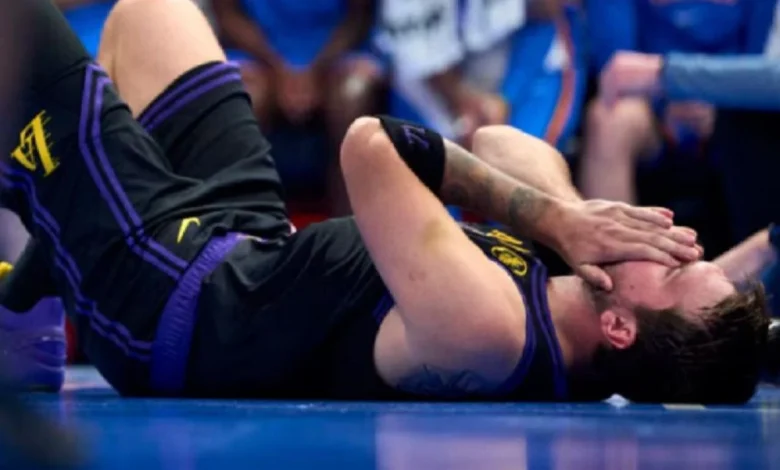
The 2026/2027 NBA season marks a definitive turning point for the Los Angeles Lakers, as the storied franchise embarks on its first campaign since 2018 without the presence of LeBron James. Following eight seasons that saw the team capture an NBA championship and navigate numerous high-stakes postseason runs, James has departed for the Philadelphia 76ers. This seismic roster shift leaves the Lakers at a crossroads, tasking the organization with transitioning from a veteran-heavy, superstar-centric model to a new identity built around the playmaking genius of Luka Doncic and the emerging star power of Austin Reaves.
The league-wide landscape for the 2026/2027 season officially ignites on Tuesday, October 20, 2026. The Lakers will mark their debut in this new era on Wednesday, October 21, at the Crypto.com Arena, where they are slated to host the Golden State Warriors. Tip-off is scheduled for 7:00 PM Pacific Daylight Time (PDT). This marquee matchup serves as the initial barometer for head coach JJ Redick, who faces the monumental challenge of integrating a revamped roster while maintaining the competitive standards expected of the Purple and Gold.
A Foundation Built on Resilience and Transition
The 2025/2026 season provided a glimpse into the team’s trajectory. The Lakers concluded the regular season with a respectable 53-29 record, securing the fourth seed in a brutally competitive Western Conference. While the first-round playoff series against the Houston Rockets—which the Lakers won 4-2—demonstrated their offensive potency, the subsequent 0-4 sweep at the hands of the Oklahoma City Thunder exposed critical vulnerabilities.
The series against the Thunder highlighted a dependency on individual brilliance that proved unsustainable against a disciplined, elite defensive unit. The absence of Luka Doncic due to injury during that series proved catastrophic, underscoring the team’s lack of secondary offensive engines at the time. Statistically, while the Lakers maintained a high-octane offense averaging 116.3 points per game, their defensive rating remained a concern, as they surrendered 114.6 points per contest. This disparity between offensive output and defensive consistency remains the primary area of focus for the coaching staff entering the new season.
The Doncic-Reaves Dynamic: The Core of the New Identity
Luka Doncic is no longer merely an All-Star; he is the undisputed centerpiece of the Lakers’ championship aspirations. As the leading scorer of the 2025/2026 season and a member of the All-NBA First Team, Doncic has established himself as the most dangerous offensive architect in the league. His ability to manipulate defensive rotations and dictate the tempo of the game will be the engine of the Lakers’ attack. However, with James no longer drawing defensive gravity, the onus on Doncic to create high-percentage looks for his teammates will be greater than ever.
Complementing Doncic is Austin Reaves, who is entering his prime and coming off a career-best season averaging 23.3 points per game. The synergy between the two guards is statistically significant; in the 41 games they shared the floor last season, the Lakers posted a 30-11 record, generating a combined average of 56.8 points per game. The organization is betting heavily on this duo to replicate and exceed those numbers. If Reaves can demonstrate increased playmaking versatility and maintain his efficiency under a higher usage rate, the Lakers may possess the most lethal backcourt in the Western Conference.
Strategic Roster Overhaul: Strengthening the Frontcourt and Perimeter
Recognizing the need to surround their stars with more specialized talent, the Lakers front office orchestrated an aggressive offseason. The departure of players like Deandre Ayton, Rui Hachimura, and Jaxson Hayes prompted a retooling of the frontcourt and wing depth.
The acquisition of Walker Kessler is arguably the most impactful move for the team’s interior defense. Kessler’s ability to protect the rim and secure rebounds is designed to alleviate pressure on the perimeter defenders. Complementing this, the addition of Matisse Thybulle brings an elite defensive pedigree to the wing, providing the Lakers with a lockdown option to defend opposing star players—a role previously lacking in their defensive scheme.
On the offensive front, the arrivals of Collin Sexton, Quentin Grimes, and Jaden Hardy provide the team with much-needed floor spacing. Sexton’s aggressive scoring off the bench ensures that the Lakers’ productivity does not crater when Doncic or Reaves sit, while Grimes’ perimeter shooting and perimeter defense add tactical flexibility for Coach Redick. Sandro Mamukelashvili provides additional size and versatility, allowing for more dynamic lineups that can adapt to smaller or larger opponents.
Tactical Challenges for JJ Redick
Head coach JJ Redick faces a high-pressure environment in his second year leading the squad. The primary challenge is not only integrating new personnel but also establishing a defensive culture that can hold up against the league’s elite. Redick’s system, which emphasizes floor spacing and ball movement, must now be applied with a greater focus on defensive accountability.
The team’s reliance on eight new players means that chemistry will be the defining factor in the first month of the season. Redick must find the optimal rotation to manage the heavy workloads of Doncic and Reaves, ensuring that the team remains healthy and fresh for the high-intensity grind of the 82-game regular season and a potential deep postseason run. The coaching staff must also address the "non-Doncic" minutes, where the team historically struggled. If the bench cannot maintain leads or bridge gaps, the starters will inevitably suffer from fatigue, mirroring the issues that plagued the team in previous years.
The Competitive Landscape of the Western Conference
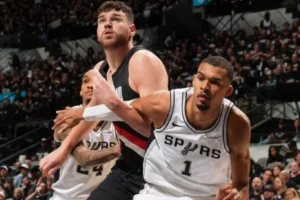
The path to the NBA Finals remains treacherous. The Western Conference is more competitive than it has been in a decade. The Oklahoma City Thunder, fresh off a 64-win season, remain the favorites, led by Shai Gilgeous-Alexander. The San Antonio Spurs, having reached the 2026 NBA Finals, are poised for another deep run with the continued development of Victor Wembanyama.
Furthermore, the Denver Nuggets remain a perennial threat with Nikola Jokic, and the Minnesota Timberwolves have significantly bolstered their chances by pairing Anthony Edwards with the playmaking of LaMelo Ball. The Lakers find themselves in a conference where any margin for error could mean the difference between a top-four seed and a precarious play-in tournament berth.
An Emotional Return: The Christmas Day Clash
While the focus remains on the present, the league schedule has circled December 25, 2026, on the calendar. The Lakers will host the Philadelphia 76ers, marking the first time LeBron James will step onto the court at Crypto.com Arena as an opponent. This game is not just a commercial draw; it serves as a symbolic marker for the Lakers. It will be the ultimate litmus test to see if the team has successfully evolved from the "James Era" into a sustainable, modern basketball machine.
Conclusion: A Calculated Risk for Future Success
The decision to move on from LeBron James was neither simple nor risk-free, but it was a necessary step for the long-term health of the franchise. The Lakers are shifting from a team defined by a single, aging icon to one built on a younger, more balanced foundation. By prioritizing Doncic’s prime years and surrounding him with high-IQ, athletic, and defensive-minded players, the Lakers are positioning themselves for a sustained window of contention rather than a short-term gamble.
The success of the 2026/2027 season will not be defined solely by wins and losses, but by the team’s ability to establish a new identity that reflects the pace and versatility of the modern NBA. If the roster can coalesce under Redick’s guidance and if the core duo of Doncic and Reaves can maintain their high level of production, the Lakers have every reason to believe they can compete for the Larry O’Brien trophy. The era of LeBron James in Los Angeles may have ended, but the mandate remains unchanged: to compete, to adapt, and to pursue the championship banner. As the season begins, the world will be watching to see if the Lakers can bridge the gap between their storied past and a promising, albeit uncertain, future.
Related posts: