Minister Bahlil Lahadalia Reaffirms Stability of 3 kg Subsidized LPG Prices Amidst Non-Subsidized Gas Hikes and Distribution Challenges


Jakarta, Indonesia – Minister of Energy and Mineral Resources (ESDM), Bahlil Lahadalia, has provided a firm assurance that the price of 3-kilogram (kg) subsidized Liquefied Petroleum Gas (LPG) will remain stable across Indonesia. This commitment comes at a time when non-subsidized gas prices have seen significant increases, exceeding Rp30,000 per cylinder in some areas. The minister emphasized that the government has historically maintained the price of the essential "gas melon," a common colloquial term for the green 3 kg LPG cylinders, since its initial implementation more than a decade ago, even in the face of major global economic disruptions and geopolitical events such as the Russia-Ukraine war.
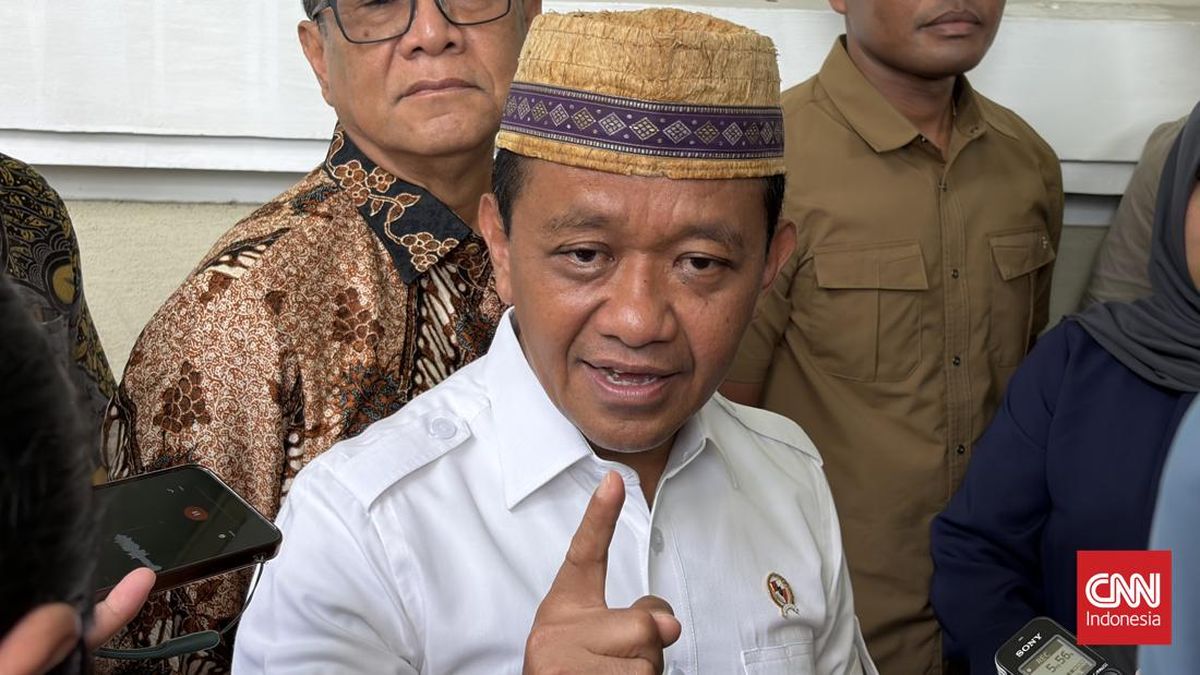
Bahlil, speaking from his office on a recent Monday, reiterated the government’s unwavering stance on maintaining the affordability of this critical energy source for low-income households and micro, small, and medium-sized enterprises (MSMEs). "For 3-kilogram LPG, since its implementation in 2006, 2007, the government has never increased its price up until now," Bahlil stated. He further clarified that any observed price increases for the subsidized LPG in the market are not officially sanctioned by the government but are rather the result of manipulation within the distribution chain, specifically by distributors and agents at various points in the supply network. "What exists is that the price is played with by distributors and agents. That’s roughly it," he elaborated, pointing directly to systemic issues within the supply mechanism as the root cause of market price discrepancies.
The Genesis and Purpose of Indonesia’s LPG Subsidy Program
Indonesia’s 3 kg LPG subsidy program, often referred to by its distinctive green cylinder as "gas melon," represents a cornerstone of the nation’s energy policy aimed at ensuring energy access and affordability for its most vulnerable populations. The program was initiated in the mid-2000s as part of a strategic energy diversification effort, transitioning millions of households from kerosene to LPG. This shift was intended to be more efficient, cleaner, and ultimately more cost-effective for both consumers and the state in the long run. The 3 kg cylinder was specifically designed for low-income families and small businesses, providing a readily available and relatively inexpensive cooking fuel.
The government sets a Highest Retail Price (HET) for the 3 kg LPG, which is significantly below its market value, with the state budget absorbing the difference. This mechanism is designed to shield consumers from global price fluctuations and ensure that basic energy needs are met. For millions of Indonesians, particularly in rural areas and urban informal sectors, the 3 kg LPG is not just a commodity but a necessity that directly impacts their daily lives and livelihoods. The sheer scale of this program means that any disruption, real or perceived, can have widespread social and economic repercussions.
The Persistent Challenge of Distribution and Price Manipulation
Despite the government’s steadfast commitment to price stability at the policy level, the journey of 3 kg LPG from production facilities to the end-user is fraught with challenges. The long and complex distribution chain, involving numerous layers of agents, sub-agents, and retailers, creates fertile ground for arbitrage and price manipulation. The significant price gap between subsidized 3 kg LPG and non-subsidized cylinders incentivizes illicit activities, where subsidized gas intended for the poor is diverted to wealthier households or even industrial users who should be purchasing non-subsidized variants.
Bahlil’s assertion that price hikes are "played with by distributors and agents" is not a new revelation but a recurring problem that has plagued the program for years. These unauthorized price increases, often exceeding the government-set HET, place an undue burden on the very demographic the subsidy is designed to protect. Consumers, particularly those in remote areas with limited access to official distributors, often find themselves at the mercy of unscrupulous retailers who capitalize on demand and supply imbalances. This situation not only erodes the economic benefits of the subsidy for the poor but also undermines public trust in the government’s ability to effectively manage essential commodities.
A History of Reform Attempts and Public Reaction
Recognizing these systemic flaws, the government has, on several occasions, attempted to refine the distribution mechanism of 3 kg LPG to ensure it reaches the rightful beneficiaries at the stipulated price. Bahlil himself recalled a significant past initiative aimed at improving governance in the distribution of subsidized LPG. Although he referenced "February 2025" in his statement – a date that likely represents a typographical error given the context of a past event – the minister was referring to a previous reform attempt, likely in the early 2020s or late 2010s, that sought to implement a more targeted distribution system.
During this particular reform drive, the objective was clear: to ensure that the subsidy truly benefited eligible recipients and that the price remained fixed within the government’s set range, typically between Rp17,000 and Rp18,000 per cylinder at the time. The proposed changes often involved mechanisms such as registering eligible households, using ID cards for purchases, or streamlining the supply chain to minimize intermediaries.
However, as Bahlil recounted, this initiative was met with significant public backlash and operational challenges. "You still remember, right, in February [of a past year]? You all criticized me back then. At that time, I wanted to organize it so that the subsidy truly reached those who were entitled to it, at the price that had been set," he explained. The attempt to "tidy up" the system, rather than achieving its intended efficiency, led to widespread panic and reports of sudden scarcity in the market. Consumers, fearing a loss of access or an actual price hike, rushed to purchase LPG, exacerbating the perceived shortage. The distribution channels, accustomed to existing practices, struggled to adapt, contributing to confusion and resistance.
"The price set at that time was Rp17,000 to Rp18,000. That’s the subsidized price; it should reach the people. But there were cases where it reached Rp25,000 at that time. But when we tried to put things in order… well, all sorts of things happened. Oh well, that’s in the past now," Bahlil concluded, reflecting on the difficulties encountered during that period. This past experience highlights the immense complexity of reforming deeply entrenched subsidy systems, where even well-intentioned changes can trigger unintended consequences and require careful management of public expectations and stakeholder interests. The incident underscores the delicate balance between policy aspirations and the practical realities of implementation in a vast and diverse archipelago.
The Economic Burden and Broader Implications of LPG Subsidies
The ongoing subsidization of 3 kg LPG constitutes a significant expenditure for the Indonesian state budget (APBN). In recent years, as global energy prices have fluctuated and the rupiah’s exchange rate against the US dollar has varied, the cost of these subsidies has often exceeded initial projections. For instance, in 2023, the government allocated tens of trillions of rupiah for LPG subsidies, a figure that can easily swell with higher international crude oil and gas prices, given that Indonesia is a net importer of LPG. This substantial financial commitment inevitably leads to an opportunity cost, as these funds could otherwise be directed towards other critical development programs such as infrastructure, education, or healthcare.
The economic implications extend beyond the state budget. The existence of a heavily subsidized product running parallel to market-priced alternatives distorts market dynamics. It creates a powerful incentive for arbitrage, leading to the diversion of subsidized goods and ultimately increasing the overall cost to the state. Furthermore, the reliance on a universal subsidy model, where anyone can purchase the 3 kg LPG regardless of income, means that a portion of the subsidy benefits wealthier households and businesses that could afford non-subsidized options. This "leakage" reduces the efficiency and targeting effectiveness of the program.
Socially, the stability of 3 kg LPG prices is crucial for maintaining public order and consumer confidence. Any perceived threat to its availability or affordability can quickly lead to public outcry, as evidenced by the "panic" Bahlil described. For many low-income families, even a slight increase in the price of basic necessities like cooking gas can significantly impact their household budget, potentially pushing them further into poverty. This sensitivity makes any reform efforts politically challenging, requiring careful communication strategies and robust social safety nets to mitigate potential negative impacts.
Moving Forward: The Path to Improved Governance
Bahlil’s emphasis on the need for improved distribution governance signals the government’s continued commitment to tackling the root causes of price manipulation and scarcity. This involves a multi-pronged approach:
- Targeted Distribution: The long-term goal remains to transition from a universal subsidy to a more targeted one, ensuring that only eligible low-income households and MSMEs receive the subsidy. This requires accurate data collection on beneficiary eligibility and robust verification mechanisms, potentially leveraging digital identification systems.
- Strengthening Oversight and Enforcement: Stricter monitoring of the distribution chain, from depots to retailers, is essential. This includes regular inspections, severe penalties for price manipulators and those diverting subsidized LPG, and empowering local authorities to enforce HET regulations effectively.
- Pertamina’s Role: As the state-owned energy company, Pertamina plays a pivotal role in the supply and distribution of LPG. Enhancing its internal controls, optimizing logistics, and ensuring transparency throughout its network are critical. Pertamina’s ability to maintain adequate stock levels and ensure even distribution, particularly in remote areas, is paramount to preventing artificial scarcity.
- Public Awareness and Education: Educating the public about the official HET for 3 kg LPG and the proper channels for reporting price violations can empower consumers to act as watchdogs.
- Technological Solutions: Exploring technological solutions, such as QR code systems or digital payment platforms linked to beneficiary databases, could help track sales and prevent misuse, making the distribution process more transparent and accountable.
The lessons learned from past reform attempts underscore the need for a phased approach, thorough pilot programs, and extensive public consultation to minimize disruption and build consensus. While the government remains committed to ensuring the affordability of 3 kg LPG, the long-term sustainability and effectiveness of the subsidy program hinge on its ability to overcome these deeply entrenched distribution and governance challenges. The balancing act between social welfare, fiscal responsibility, and market efficiency will continue to define Indonesia’s energy policy landscape in the years to come.
Related posts: