Indonesia Explores Malaysian Partnership for Rice Packaging Amidst Global Plastic Price Surge, Bolstering Food Security Initiatives

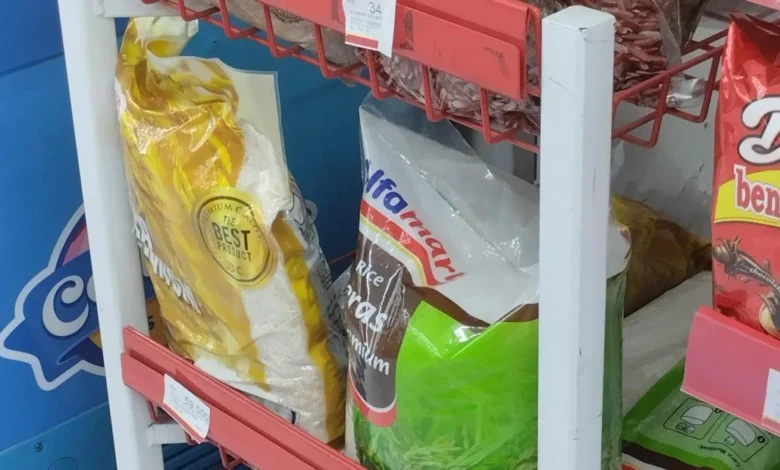
The Indonesian government is actively exploring a strategic partnership with Malaysia for the procurement of plastic packaging materials, specifically for its staple rice commodity. This proactive measure comes in response to a significant and sustained surge in global plastic prices, largely attributed to ongoing geopolitical tensions and conflicts in the Middle East. The initiative, revealed by Sam Herodian, Special Staff to the Minister of Agriculture for Government Policy, underscores Jakarta’s commitment to ensuring the stability of its domestic food supply chain and mitigating external economic pressures. While the initial discussions in Malaysia were centered on broader rice cooperation, the conversation serendipitously expanded to include the critical need for cost-effective and high-quality rice packaging. Herodian made these remarks during a media briefing held at the Body of Communication office in Central Jakarta on Monday, April 20, 2026, outlining the government’s strategic approach to a critical supply chain challenge.
The Global Context: Surging Plastic Prices and Geopolitical Tensions
The global plastics market has experienced considerable volatility over the past year, with prices of key plastic resins reaching multi-year highs. This instability is fundamentally linked to the price of crude oil, the primary feedstock for petrochemicals, which are then processed into various plastic polymers such as polyethylene (PE) and polypropylene (PP) – materials crucial for food packaging. Geopolitical events, particularly the protracted conflicts and shipping disruptions in the Middle East, have significantly impacted global oil supply chains and transportation routes, leading to elevated crude oil benchmarks like Brent and West Texas Intermediate (WTI). For instance, after fluctuating in late 2023, crude oil prices saw significant upticks in early to mid-2024, maintaining upward pressure throughout 2025 and into 2026, directly translating into higher production costs for plastic manufacturers worldwide. The Red Sea shipping crisis, for example, has forced many container ships to reroute around the Cape of Good Hope, adding weeks to transit times and dramatically increasing freight costs and insurance premiums. These additional expenses are inevitably passed down the supply chain, culminating in higher prices for finished plastic products. For a country like Indonesia, which relies heavily on plastic packaging for distributing its staple food, these global market dynamics pose a direct threat to food affordability and logistical efficiency. The escalating costs of raw materials, coupled with increased transportation expenses, have made the domestic sourcing of plastic packaging more challenging and expensive, prompting the government to seek alternative, potentially more stable, and cost-effective international suppliers. According to industry reports, prices for virgin polypropylene, a common plastic used in packaging, have seen increases of over 15-20% in certain regions since late 2023, exacerbated by supply chain bottlenecks and energy cost inflation.
Indonesia’s Food Security Imperative: The Role of Rice Packaging
Rice remains the bedrock of Indonesia’s food security, consumed by virtually its entire population. The State Logistics Agency (BULOG) plays a pivotal role in managing national rice reserves, ensuring distribution, and stabilizing prices. Effective and durable packaging is not merely a logistical detail but a critical component of this overarching food security strategy. Traditional 5-kilogram plastic bags are ubiquitous in Indonesian households and retail channels, while bulk storage often relies on larger, more robust solutions. The quality and availability of this packaging directly impact the integrity of the rice supply, its shelf life, and the prevention of post-harvest losses. Indonesia’s annual rice production typically hovers around 30-32 million tons of paddy (unhusked rice), which translates to approximately 18-20 million tons of milled rice. With a population exceeding 270 million, per capita rice consumption is among the highest globally, estimated at around 100 kg per year. Protecting this vast quantity of rice from spoilage, pests, and moisture during storage and distribution is paramount. The Food and Agriculture Organization (FAO) estimates that post-harvest losses in developing countries can range from 10-25% for cereals, a significant portion of which can be attributed to inadequate storage and packaging. Therefore, any disruption in the packaging supply, or a substantial increase in its cost, could have ripple effects across the entire food value chain, potentially impacting consumer prices and the government’s ability to maintain strategic reserves effectively. The exploration of new packaging solutions, including advanced technologies like hermetic bags, signifies a proactive step towards strengthening this critical link in the food security chain, aligning with national goals of reducing food waste and enhancing agricultural resilience.
Chronology of Engagement: From Rice to Packaging Discussions
The current exploration into plastic packaging cooperation with Malaysia did not originate as a standalone initiative but rather emerged organically from broader bilateral discussions. According to Sam Herodian, the Indonesian delegation’s primary objective during their visit to Malaysia was to engage in talks concerning comprehensive cooperation in the rice sector. This could encompass various aspects, such as potential rice trade agreements, knowledge sharing on agricultural practices, or investment opportunities in rice production technology. It was during these high-level engagements that the issue of plastic packaging surfaced as an incidental, yet critical, point of discussion. Herodian recounted, "Initially, we went to Malaysia to discuss rice cooperation. However, during our conversations, the topic of packaging for rice unexpectedly arose. The offer for plastic packaging, surprisingly, came to us after I returned from Malaysia. If we are diligent in seeking external solutions, considering our raw materials are petroleum-based, and during our visit, while offering rice, we discovered they are also involved in exporting and importing various other goods, I mentioned that we are facing difficulties with plastic." This serendipitous turn of events highlights the fluid nature of international diplomacy and trade negotiations, where initial agendas can evolve to address immediate and pressing economic challenges. The discussions, which took place prior to Herodian’s public statement on Monday, April 20, 2026, indicate a rapid response mechanism by the Indonesian government to prevailing market conditions. The offer from Malaysia, presumably from their industrial sector, was then formally presented, prompting Indonesia to delve deeper into the specifics of the potential supply. This proactive approach demonstrates Indonesia’s agility in adapting its procurement strategies to global supply chain realities.
The Malaysian Proposition: Tailored Solutions and Hermetic Technology
Following Malaysia’s unexpected offer, the Indonesian government has moved to request detailed specifications for the proposed plastic products. This indicates a serious consideration of Malaysia as a potential supplier, signaling a move beyond preliminary talks. The scope of products under discussion extends beyond conventional 5-kilogram rice bags, which are a household staple across Indonesia. A significant point of interest is the inclusion of "hermetic bags." These specialized, airtight storage bags represent a notable technological advancement in post-harvest management, offering superior preservation capabilities compared to traditional packaging. Sam Herodian elaborated, "Okay, if it’s plastic, then what are the specifications? It’s not just plastic for 5-kilogram packaging, but also something called hermetic bags, which can store rice for 2-3 years without needing any additional chemicals or treatments." Hermetic bags work by creating an oxygen-depleted and carbon dioxide-rich environment, effectively suffocating insects and inhibiting mold growth, thereby preserving the quality and nutritional value of stored grains for extended periods. Studies have shown that hermetic storage can reduce grain losses to less than 1% over several months, a stark contrast to the 5-10% or more typically experienced in conventional open storage. This technology is particularly valuable for strategic food reserves, allowing countries to store large quantities of rice without the need for expensive and potentially environmentally impactful chemical fumigants. Furthermore, Herodian emphasized that the plastic products being offered are not off-the-shelf items but rather custom-made to Indonesia’s precise requirements. "The plastic, it’s custom-ordered, based on our orders – the size, the type, what it will be like," he clarified. This flexibility in production, allowing for bespoke sizing and material types, suggests that Malaysia’s industrial capacity is robust enough to meet specific client needs, not just for individual packaging but also for larger-scale, reusable storage solutions crucial for national stockpiles. The ability to procure tailored solutions could provide Indonesia with significant advantages in terms of supply chain optimization and long-term storage efficacy, directly contributing to the nation’s food resilience strategy.
Broader Economic and Industrial Landscape: Domestic vs. International Sourcing
While the exploration of Malaysian plastic packaging offers a potential solution to immediate cost pressures, it also brings into focus the broader landscape of Indonesia’s domestic plastic industry. Indonesia possesses a significant petrochemical and plastics manufacturing sector, with numerous companies involved in producing packaging materials. The Indonesian Olefin, Aromatic, and Plastic Industry Association (INAPLAS) represents a substantial network of manufacturers, contributing billions of dollars to the national economy and employing thousands. However, domestic producers often face challenges related to the supply and cost of raw materials, which are largely imported. Any decision to import substantial quantities of finished plastic products from Malaysia could have multifaceted implications for this local industry. On one hand, it could provide a temporary reprieve from high domestic costs for packaging users like BULOG. On the other hand, it could potentially displace demand for locally manufactured products, leading to concerns among domestic producers about market share and capacity utilization.
Leaders within Indonesia’s Ministry of Industry would likely emphasize the importance of balancing strategic imports with the imperative to foster and protect local industries. A senior official from the Ministry of Industry, speaking on condition of anonymity, might remark, "While we must ensure the most cost-effective and stable supply for our food security programs, we also continuously evaluate the impact on our domestic manufacturing base. Our goal is to strengthen local industries by improving their competitiveness, including access to affordable raw materials and technological upgrades. Any import decision will be carefully weighed against these national industrial development objectives." Conversely, BULOG, as the primary end-user, would prioritize cost-efficiency, quality, and reliability of supply to maintain national rice stocks and distribution networks. A spokesperson for BULOG might state, "Our mandate is to ensure stable rice supply and prices for the Indonesian people. This requires resilient and affordable packaging solutions. We welcome all options that contribute to achieving this goal, especially technologies like hermetic bags that significantly enhance our long-term storage capabilities and reduce losses." This highlights the inherent tension between supporting domestic industry and securing vital supplies at competitive prices. The government’s final decision will likely involve a delicate balancing act, considering both immediate economic benefits and long-term industrial policy, aiming for a solution that optimizes both food security and national industrial development.
Stakeholder Perspectives: Navigating Economic and Strategic Interests
The ongoing discussions with Malaysia naturally invite various perspectives from key stakeholders within Indonesia. The Ministry of Trade would likely view this initiative through the lens of import management and trade relations. They would emphasize the importance of diversified supply chains and ensuring that any import agreement adheres to international trade regulations and benefits Indonesia’s overall trade balance. A Trade Ministry official might highlight, "Our objective is to secure the best possible terms for Indonesia, ensuring competitive pricing and reliable delivery. We are always exploring various international partners to optimize our import strategies while carefully monitoring the global market landscape, especially for critical commodities."
From the perspective of Indonesian plastic manufacturers, represented by associations like INAPLAS, the prospect of increased imports might be met with caution. They would likely advocate for stronger government support to enhance domestic production capabilities, perhaps through incentives for local raw material sourcing or investment in advanced manufacturing technologies. An INAPLAS representative could articulate, "Our local industry has the capacity and expertise to meet domestic packaging demands. However, we need a level playing field, particularly regarding the cost and availability of raw materials. We urge the government to prioritize supporting local manufacturers, ensuring that any import decision is a last resort and does not undermine the growth of our national industry, which provides jobs and contributes to economic stability." They might also point out the potential for job creation and economic multiplier effects from robust local production, arguing that investing in local industry ultimately provides more sustainable and less volatile supply chains.
On the Malaysian side, the offer for plastic packaging underscores their industrial capabilities and their strategic interest in strengthening economic ties with Indonesia, a major ASEAN partner. Malaysian trade officials or representatives from their industrial sector would likely highlight their competitive advantages, such as potentially lower production costs due to economies of scale or more favorable raw material access, and their ability to produce high-quality, custom-tailored products. A hypothetical statement from a Malaysian trade body might read, "Malaysia is committed to fostering robust economic partnerships within ASEAN. We are proud of our advanced manufacturing capabilities, particularly in the plastics sector, and are ready to support Indonesia’s critical food security objectives with high-quality, cost-effective, and custom-designed packaging solutions, including innovative technologies like hermetic bags. This collaboration would exemplify the spirit of regional cooperation and mutual economic benefit."
The Ministry of Agriculture, through Sam Herodian, maintains a pragmatic stance, emphasizing that while the Malaysian offer is promising, it is still in the exploratory phase. Herodian reiterated, "Not yet [agreed], it’s still just an exploration. This means we have other sources, it doesn’t have to be from there." This statement is crucial as it signals that Indonesia is not putting all its eggs in one basket and remains open to exploring other potential suppliers, both domestic and international, to ensure competitive pricing and supply security. This approach allows Indonesia to leverage competitive tension among potential suppliers, ultimately aiming for the most advantageous terms for its national interests, prioritizing both immediate needs and long-term strategic resilience.
Implications and Future Outlook: A Strategic Move for Food Resilience
The potential cooperation with Malaysia for plastic packaging, particularly the interest in hermetic bags, carries significant implications for Indonesia’s long-term food security and economic resilience.
Firstly, enhanced food security: The adoption of hermetic bag technology could dramatically reduce post-harvest losses, which are a persistent challenge in many developing countries. By extending the shelf life of rice by 2-3 years without chemical treatments, BULOG could maintain larger, more stable strategic reserves, providing a crucial buffer against supply shocks, adverse weather events, or global market fluctuations. This directly translates to greater stability in food prices and availability for Indonesian consumers, especially in remote areas or during times of crisis.
Secondly, cost efficiency and supply chain diversification: If Malaysian suppliers can offer plastic packaging at more competitive prices than current domestic or other international options, it would lead to substantial cost savings for the Indonesian government, particularly for bulk procurement by BULOG. Diversifying the supply chain for such a critical input also reduces reliance on a single source or market, making Indonesia less vulnerable to future disruptions or price hikes from any one supplier. This move could serve as a model for other essential commodities facing similar supply chain vulnerabilities.
Thirdly, technological advancement: Importing advanced packaging solutions like hermetic bags introduces new technologies into Indonesia’s food storage infrastructure. This could potentially spur domestic innovation, encouraging local manufacturers to invest in similar technologies or develop their own advanced packaging solutions to compete. Such technology transfer could elevate the entire packaging industry within Indonesia.
Fourthly, bilateral trade and ASEAN integration: A significant procurement agreement would strengthen economic ties between Indonesia and Malaysia, two of ASEAN’s largest economies. Such cooperation aligns with the broader goals of regional economic integration and mutual support among member states, fostering a more resilient and interconnected regional economy. This collaboration could pave the way for other joint ventures or trade agreements in the future.
Finally, environmental considerations: While the article focuses on procurement, the type of plastic and its reusability are becoming increasingly important in modern supply chains. Hermetic bags, being designed for multiple uses over several years, inherently offer a more sustainable profile than single-use plastics, contributing positively to waste reduction efforts over their lifecycle. However, the broader increase in plastic usage for packaging still raises questions about end-of-life management and recycling infrastructure in Indonesia, an issue that will require continuous government attention and investment regardless of the source of the packaging.
The ongoing "penjajakan" or exploration phase suggests that Indonesia is conducting thorough due diligence, evaluating not only price and quality but also logistics, long-term supply agreements, and the broader strategic fit with its national development goals. The government’s pragmatic stance of keeping other options open ensures that it can secure the most beneficial outcome, whether from Malaysia, domestic producers, or other international partners. This strategic approach underscores Indonesia’s determination to adapt to global economic realities and proactively safeguard its vital food supply for the benefit of its vast population.
Conclusion: Balancing Immediate Needs with Long-Term Vision
In conclusion, Indonesia’s proactive engagement with Malaysia regarding plastic packaging for rice represents a pragmatic and strategic response to pressing global economic challenges. Driven by the imperative of maintaining food security amidst volatile international commodity markets, particularly the surging prices of plastics fueled by geopolitical tensions, Jakarta is meticulously evaluating all available options. The potential acquisition of tailored plastic solutions, including innovative hermetic bags, could significantly enhance Indonesia’s ability to store and distribute its staple food efficiently and sustainably. While the discussions are still in their exploratory stages, with no definitive agreement reached, the initiative highlights Indonesia’s strategic foresight in bolstering its food resilience. The final decision will undoubtedly reflect a careful
Related posts: