Universitas Negeri Jakarta Records Significant Surge in Enrollment for Students with Disabilities as Inclusive Education Initiatives Expand in 2026

The Universitas Negeri Jakarta (UNJ) has reported a notable increase in the number of participants for its independent entrance examination specifically designed for students with disabilities, known as Penmaba Mandiri Jalur Disabilitas. During the 2026 academic cycle, the institution recorded 138 applicants, representing a 9.6 percent increase from the 125 participants documented in 2025. This upward trend highlights a growing momentum in the accessibility of higher education within Indonesia and reflects a burgeoning trust among the public regarding the inclusive pedagogical frameworks established at UNJ.
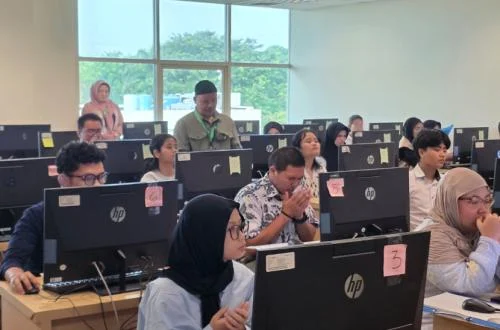
The selection process took place on Saturday, July 18, 2026, at the Dewi Sartika Building on the UNJ campus. The event serves as a critical gateway for individuals with diverse physical and neurological needs to access academic opportunities that were historically difficult to reach. According to university officials, the steady rise in applicant numbers is not merely a statistical victory but a testament to the changing socio-cultural landscape regarding disability rights and educational equity in the nation.
Strategic Growth in Inclusive Enrollment
I Wayan Sugita, the Head of the UNJ Admissions Office, emphasized that the 2026 figures are indicative of a broader shift in how prospective students with disabilities view their futures. He noted that the increase to 138 participants suggests that more individuals feel empowered to pursue higher learning and see UNJ as a premier destination for their academic journey. This growth aligns with national efforts to fulfill the mandates of Law No. 8 of 2016 concerning Persons with Disabilities, which requires educational institutions to provide reasonable accommodations and equal access.
The data for 2026 reveals specific patterns in academic interest among the applicants. Three faculties emerged as the primary choices for participants in the disability track: the Faculty of Engineering, the Faculty of Education, and the Faculty of Languages and Arts. Within these faculties, the Bachelor of Applied Science in Culinary Arts and Food Service Management stood out as the most sought-after program. Experts suggest that the popularity of vocational and applied science programs among students with disabilities may be linked to the direct path these fields offer toward specialized employment and entrepreneurship, providing a tangible route to economic independence.
On-Campus Logistics and the Role of Volunteer Support
To ensure that the selection process was conducted smoothly and without barriers, UNJ implemented a comprehensive support system tailored to the specific requirements of each candidate. Recognizing that a standardized testing environment can pose unique challenges for individuals with sensory or cognitive differences, the university mobilized the UNJ Disability Volunteers, known as REDIS (Relawan Disabilitas UNJ).
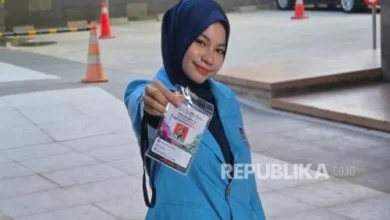
A total of 65 volunteers were deployed for the 2026 examination period. These volunteers were drawn from various cohorts and academic programs, many of whom are specializing in Special Education (Pendidikan Luar Biasa). Their primary responsibility was to provide one-on-one assistance to candidates from the moment they arrived on campus until they completed all stages of the selection process.
Prila Ahdanila, the Coordinator of REDIS for the 2026 Penmaba Disabilitas, explained that the support strategy was grounded in data-driven preparation. Prior to the examination day, the REDIS team received detailed profiles of each applicant from the Admissions Office. This allowed them to map out specific needs and assign volunteers with the appropriate skills to assist candidates with visual impairments, autism, or Attention-Deficit/Hyperactivity Disorder (ADHD).
For candidates with hearing impairments, the university ensured the presence of professional sign language interpreters within the examination rooms. This provision was crucial for communicating instructions and ensuring that these students could navigate the administrative aspects of the test with the same clarity as their peers. By addressing the physical and communicative barriers of the testing environment, UNJ aimed to level the playing field, allowing the candidates’ academic potential to remain the primary focus of the evaluation.
Institutional Philosophy and the Drive for Equality
The commitment to inclusive education at UNJ is viewed as a fundamental duty rather than a secondary service. Ifan Iskandar, the Vice Rector for Academic, Student, and Alumni Affairs, articulated that the disability track is a cornerstone of the university’s mission to ensure that every citizen, regardless of their physical or neurological condition, has an equal opportunity to access high-quality tertiary education.
"UNJ is striving to ensure that every prospective student has an equal opportunity to demonstrate their academic potential," stated Professor Ifan. He further noted that the university is continuously refining its support services to ensure that the selection process is not only accessible but also fair. This philosophy is part of a larger institutional goal to transform UNJ into a center of excellence for inclusive education in Southeast Asia, fostering an environment where diversity is integrated into the fabric of campus life.
The 2026 examination period saw a high level of institutional oversight, with top-ranking officials monitoring the proceedings to identify areas for further improvement. Rektor UNJ, Komarudin, personally inspected the examination site at the Dewi Sartika Building. While he expressed his appreciation for the dedication of the volunteers and the logistical arrangements, he also offered a critical analysis of the current testing methodology.
Critical Evaluation and Future Reforms in Assessment
During his visit, Rector Komarudin raised significant points regarding the equity of the assessment tools used for students with disabilities. He observed that while the physical access to the testing site has been significantly improved, the content and criteria of the examinations themselves may require further calibration.
"If the exam questions remain identical to those used in the regular enrollment track, then there must be adjustments in the evaluation criteria to ensure the selection process is truly fair," Komarudin remarked. His comments highlight a growing debate in the field of inclusive education: the balance between maintaining academic standards and recognizing the different ways in which students with disabilities process and express information.
The Rector’s observation suggests that future iterations of the Penmaba Disabilitas may see a shift toward more "authentic assessments" or modified testing formats. This could include extended time limits, the use of assistive technology for answering questions, or the development of specialized test modules that focus on the core competencies required for specific fields of study rather than a one-size-fits-all standardized test.
Broader Socio-Economic Impact and Implications
The success of the 2026 enrollment drive at UNJ has implications that extend far beyond the campus borders. As one of the leading teacher-training universities in Indonesia, UNJ’s approach to disability inclusion serves as a model for other Higher Education Institutions (PTN) across the archipelago. The increase in participants signals a growing pipeline of qualified professionals with disabilities who will eventually enter the Indonesian workforce.
Historically, persons with disabilities in Indonesia have faced significant hurdles in accessing the labor market, often relegated to informal sectors or low-skilled positions. By facilitating entry into programs like Culinary Arts, Engineering, and Education, UNJ is helping to dismantle these barriers. Graduates from these programs are equipped with formal credentials and technical skills that allow them to compete in the modern economy, thereby contributing to the nation’s human capital development.
Furthermore, the involvement of 65 student volunteers through REDIS creates a ripple effect of empathy and professional experience. These volunteers, many of whom will become future educators, gain firsthand experience in accommodating diverse needs. This practical exposure is invaluable in preparing them to manage inclusive classrooms in the primary and secondary education sectors, creating a more inclusive educational ecosystem from the ground up.
Conclusion and Outlook for 2027
As UNJ concludes its 2026 independent selection for students with disabilities, the institution stands at a pivotal juncture. The 9.6 percent growth in applicants is a clear indicator of success, yet the feedback from the university leadership indicates that the journey toward perfect inclusivity is ongoing.
The focus for the 2027 academic year and beyond is expected to center on the "fairness" of assessment as highlighted by Rector Komarudin. This will likely involve collaborations between the Admissions Office, the Special Education Department, and psychometric experts to develop entrance evaluations that accurately measure the potential of students with disabilities without penalizing them for their impairments.
The 2026 Penmaba Jalur Disabilitas at UNJ serves as a powerful reminder that when barriers are removed and support systems are established, the desire for knowledge and self-improvement among persons with disabilities is immense. The university’s proactive stance not only fulfills a legal mandate but also enriches the academic community by bringing a wider range of perspectives and talents into the lecture halls of Jakarta. With continued institutional support and the evolution of assessment strategies, UNJ is poised to remain a beacon of hope and a leader in the movement for educational equity in Indonesia.