Unveiling the Military Complex at Tell al-Abqain
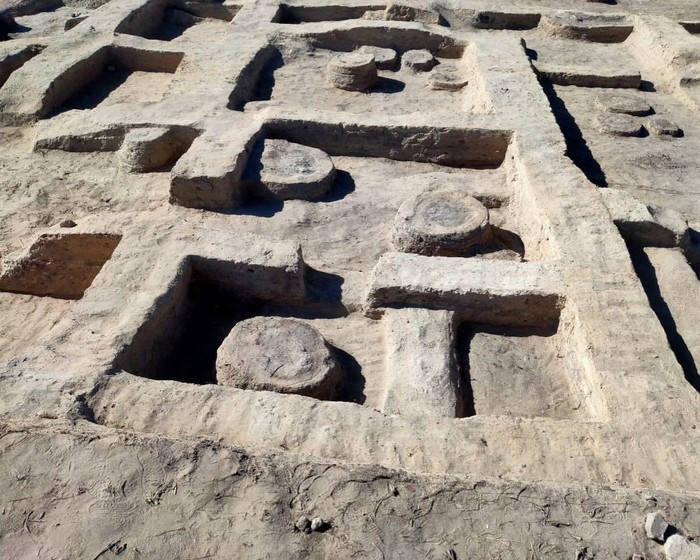
The discovery at Tell al-Abqain is not merely a collection of isolated relics but a coherent site that reveals the strategic military planning of the 19th Dynasty. Situated in the fertile but strategically sensitive region of the Nile Delta, the site functioned as a critical defensive outpost. The excavations have exposed a well-organized military fortress, complete with residential complexes, administrative zones, and sophisticated logistical infrastructure.
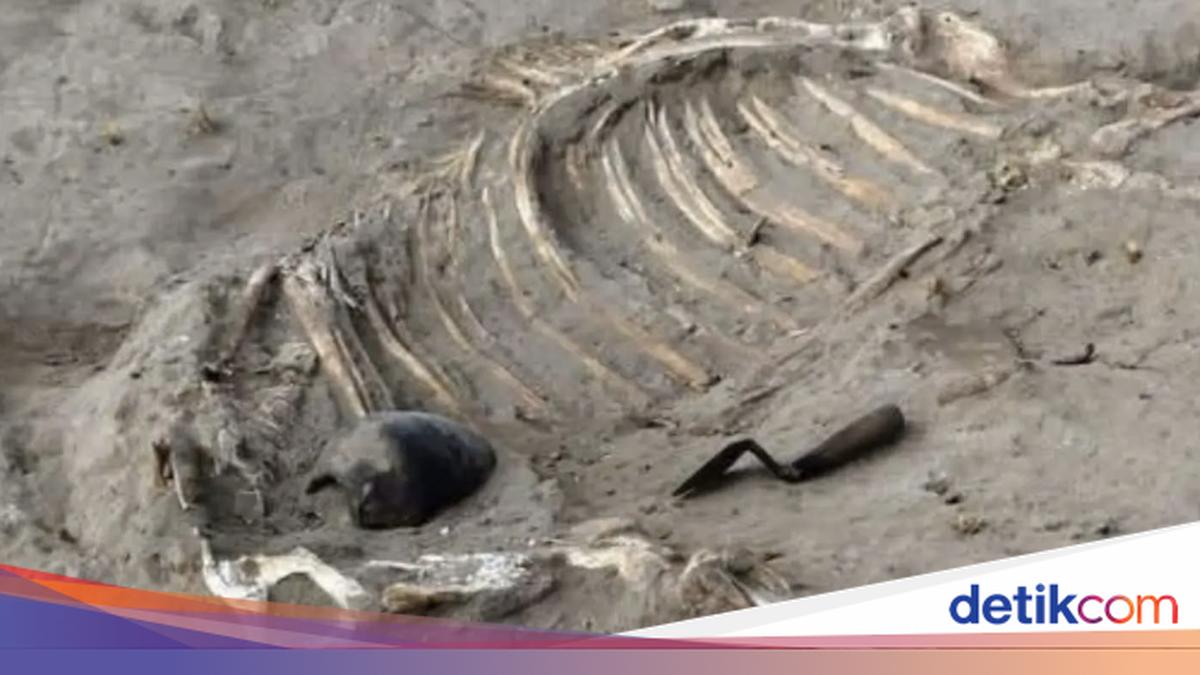
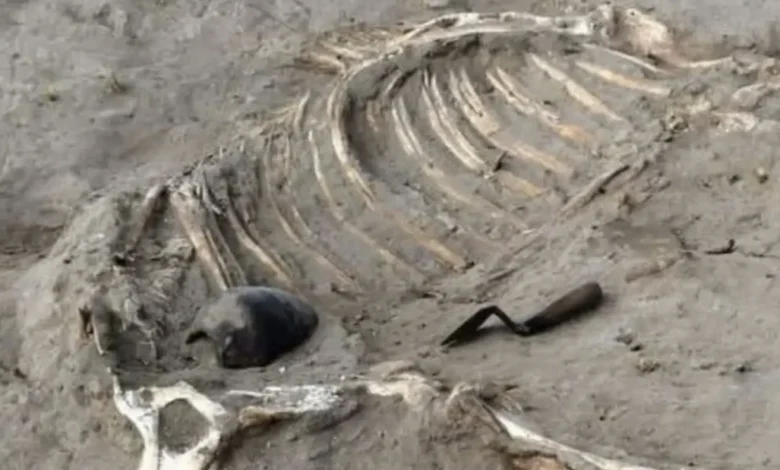
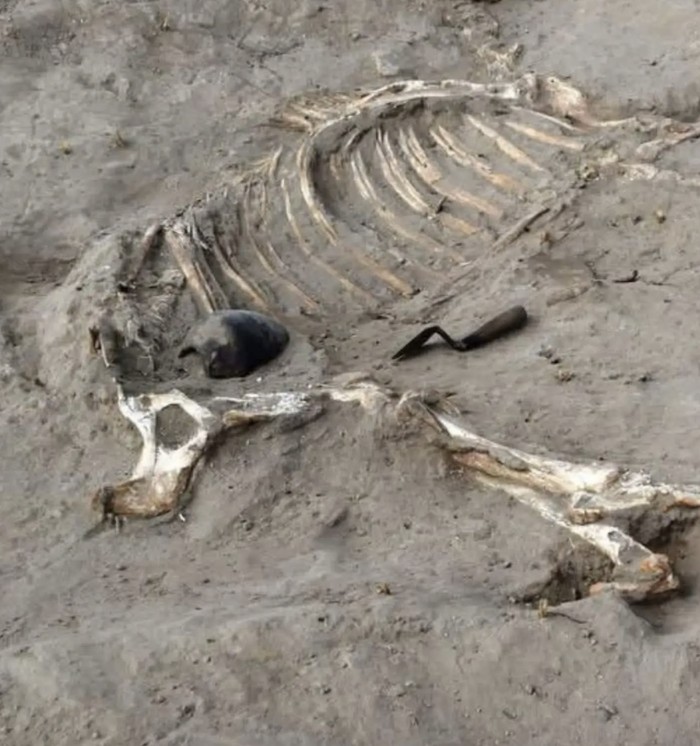
The most poignant find at the site involves the skeletal remains of a young male horse. The discovery of the horse, which appears to have been buried with significant care, offers a compelling narrative about the bond between the Egyptian military and their animal counterparts. Zooarchaeological analysis suggests the horse belonged to a medium-sized, agile breed—the exact type of animal historically documented as essential for chariot warfare. The positioning of the remains, coupled with the proximity of alabaster and limestone fittings likely belonging to chariot harness components, indicates that this animal was a prized asset of the fortress’s military garrison.
The Chronology and Historical Context
The artifacts uncovered provide a firm chronological anchor for the site’s peak activity. The 19th Dynasty, spanning roughly from 1292 BC to 1189 BC, was a period of intense imperial consolidation and conflict for Egypt. Ramses II, known as "Ramses the Great," oversaw massive construction projects and military campaigns, particularly against the Hittites and various incursions from the western desert.
The presence of items bearing the cartouches of Ramses II and Merneptah confirms that Tell al-Abqain was an active bastion for at least a century. Merneptah, the son of Ramses II, is particularly noted in historical records for his defense of Egypt against the "Sea Peoples" and the Libyans. The archaeological evidence at the site aligns perfectly with these historical accounts. Among the most significant finds is a limestone block featuring a vivid relief of a captive Libyan from the Meshwesh tribe, depicted in chains. This imagery serves as a powerful testament to the defensive measures taken by the Egyptian state to protect the Delta’s western frontier.
Beyond Warfare: A Snapshot of Daily Life
While the military character of the site is undeniable, the mission’s findings reveal a multifaceted community. The excavation team has documented a planned urban layout with clearly defined streets and residential housing, suggesting that the site was not just a barracks, but a self-sustaining settlement.
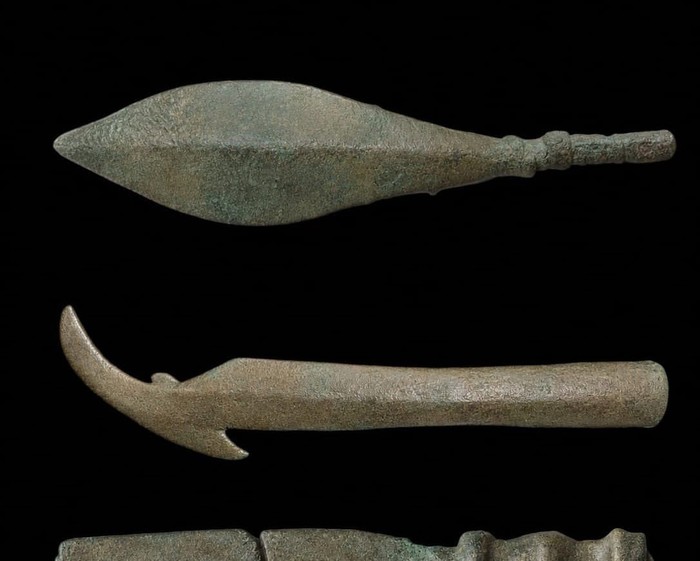
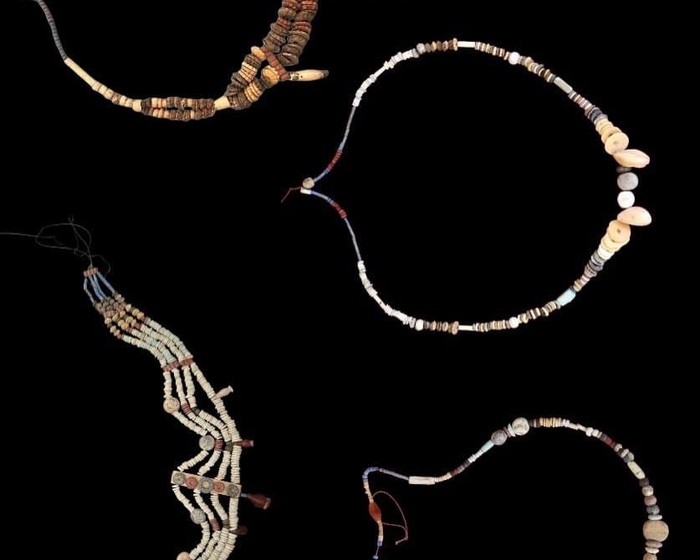
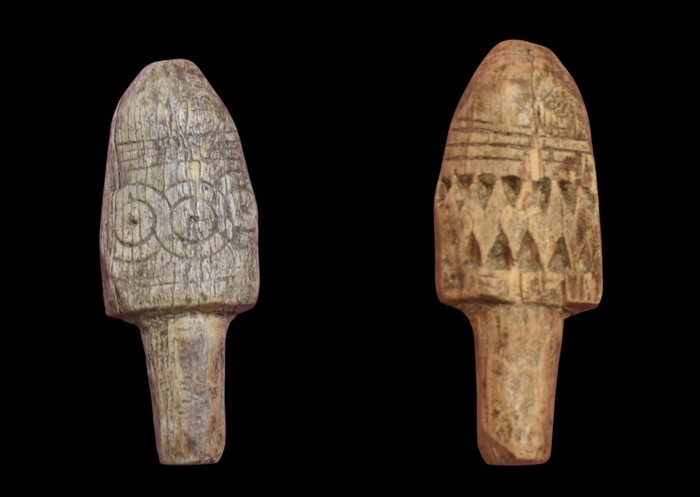
The domestic sphere of the fortress is illuminated by the discovery of various household items. Archaeologists have retrieved quantities of pottery, tools, and personal ornaments, including intricately crafted beads. These items suggest that families lived within or adjacent to the fortress, creating a permanent community. The presence of these objects indicates a high level of economic activity and social organization, far beyond what one would expect of a temporary military camp.
Religious Life and Symbolic Artifacts
The spiritual life of the garrison is best represented by the discovery of numerous scarab amulets and other votive offerings. In ancient Egyptian culture, the scarab was a potent symbol of rebirth and protection, and its prevalence at Tell al-Abqain suggests that soldiers and their families relied heavily on these religious icons for morale and divine favor.
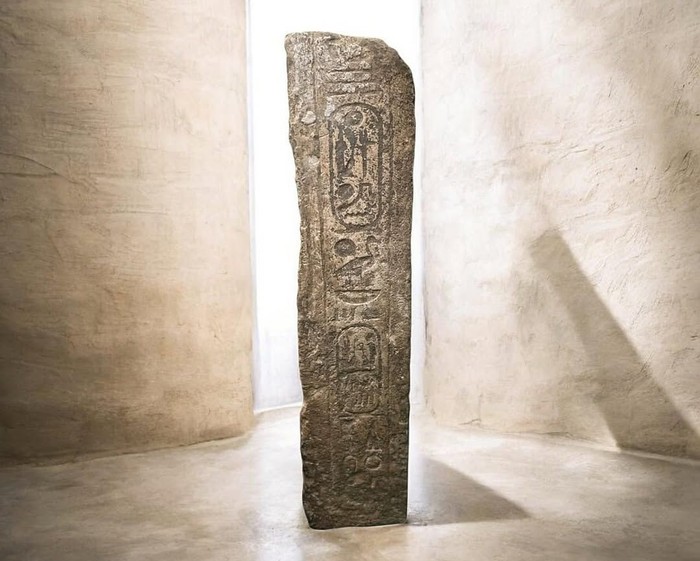
These artifacts, alongside the monumental inscriptions, underscore the integration of the military and the sacred. The soldiers stationed at Tell al-Abqain were not operating in a secular vacuum; they were part of a state apparatus that viewed its military dominance as an extension of the Pharaoh’s divine mandate. The site functioned as a microcosm of the Egyptian state, where religious devotion was as integral to the maintenance of the fortress as the stockpiling of weapons or the training of horses.
Official Statements and Expert Analysis
Sherif Fathy, the Minister of Tourism and Antiquities of Egypt, has underscored the importance of the find. During a recent briefing, Fathy noted that the discovery at Tell al-Abqain fundamentally alters the perception of Egyptian frontier defenses. He emphasized that the site allows researchers to move beyond the traditional "military-only" narrative and instead examine the socio-economic conditions that allowed these fortresses to flourish.
"The findings provide a comprehensive view of how these individuals lived, how they stored their grain, and how they maintained their connection to the gods," Fathy stated. He further highlighted the significance of the Hieratic inscriptions found on a limestone fragment—a first for the Beheira excavation—which specifically references the reign of Merneptah. This discovery confirms the administrative continuity of the site across multiple pharaonic reigns.
The Broader Impact on Egyptology
The Tell al-Abqain excavation is set to trigger a wave of new research into the logistics of New Kingdom military operations. Historically, scholars have often focused on the grand battles depicted on temple walls, such as the Battle of Kadesh. However, the day-to-day realities of maintaining frontier security in the Delta have remained relatively obscure.
The implications of this discovery are threefold:
- Logistical Understanding: By analyzing the animal remains and chariot equipment, researchers can gain a clearer understanding of the training and maintenance cycles of the Egyptian chariot corps.
- Urban Planning: The discovery of a planned community layout provides insights into how the Egyptian military handled urban development in remote regions, potentially influencing later Roman and Byzantine approaches to frontier town construction.
- Diplomatic and Military Relations: The iconography of the captive Meshwesh warrior provides physical, contemporary evidence of the threats facing the 19th Dynasty, moving the study of Egyptian-Libyan relations from the realm of textual interpretation to material reality.
The Future of the Site
As the excavation continues, the Ministry of Tourism and Antiquities plans to expand the scope of the project. Future phases will likely involve more detailed analysis of the soil and botanical samples to reconstruct the environment of the Delta during the 13th century BC. Understanding the agricultural capacity of the land surrounding the fortress will be key to explaining how a substantial population was sustained in what is now a arid, challenging landscape.
Furthermore, the conservation of the unearthed structures is a top priority. The Egyptian government has indicated that they intend to utilize the findings to bolster cultural tourism in the Beheira Governorate, presenting Tell al-Abqain as a primary destination for those interested in the military history of the New Kingdom.
Conclusion
The artifacts unearthed at Tell al-Abqain represent more than just the debris of a bygone era; they are the fragments of a civilization’s defensive and social architecture. By bridging the gap between the monumental history of the Pharaohs and the daily lives of those who served them, the discovery adds a vital chapter to the history of the New Kingdom. As the dust settles on the site, the legacy of Ramses II and Merneptah continues to speak through the stone and soil of the Egyptian Delta, reminding us of the enduring complexity of the ancient world. The ongoing study of these artifacts promises to refine our understanding of the strategic, religious, and social currents that defined one of history’s most influential empires.
Related posts: