Indonesian Ministry of Hajj and Umrah Doubles Protection Personnel and Intensifies Training for Enhanced 2026 Hajj Pilgrim Safety


Jakarta, CNN Indonesia – The Indonesian government, through the Ministry of Hajj and Umrah (Kemenhaj), has announced a significant bolstering of its operational and protection personnel to proactively address potential emergencies during the upcoming 2026 Hajj pilgrimage. This strategic move aims to guarantee the utmost security and ensure a swift, effective national response to any unforeseen challenges faced by Indonesian pilgrims in the Holy Land. The initiative underscores a profound commitment to pilgrim welfare, reflecting lessons learned from previous Hajj seasons and a dedication to operational excellence.
Minister of Hajj and Umrah of the Republic of Indonesia, Mochamad Irfan Yusuf, emphasized that the deployment of additional protection personnel is strategically focused on mastering crisis resolution scenarios on the ground. This involves comprehensive training that goes beyond standard operational procedures, delving into a wide array of potential emergencies and their precise mitigation strategies. The government’s proactive stance is a direct response to the inherent complexities and scale of the Hajj pilgrimage, which annually draws millions of Muslims from around the globe, presenting unique logistical and safety challenges.
"One of the key modules in our training covers various potential emergencies and how to resolve them effectively. We have also increased the number of pilgrim protection officers by 100 percent," Minister Irfan stated during a CNN Indonesia TV broadcast on Monday, April 20. This doubling of protection staff signifies a substantial investment in human resources, designed to create a more resilient and responsive support system for Indonesian pilgrims. The increased presence of trained personnel is expected to enhance oversight, improve communication channels, and accelerate intervention times during critical incidents.
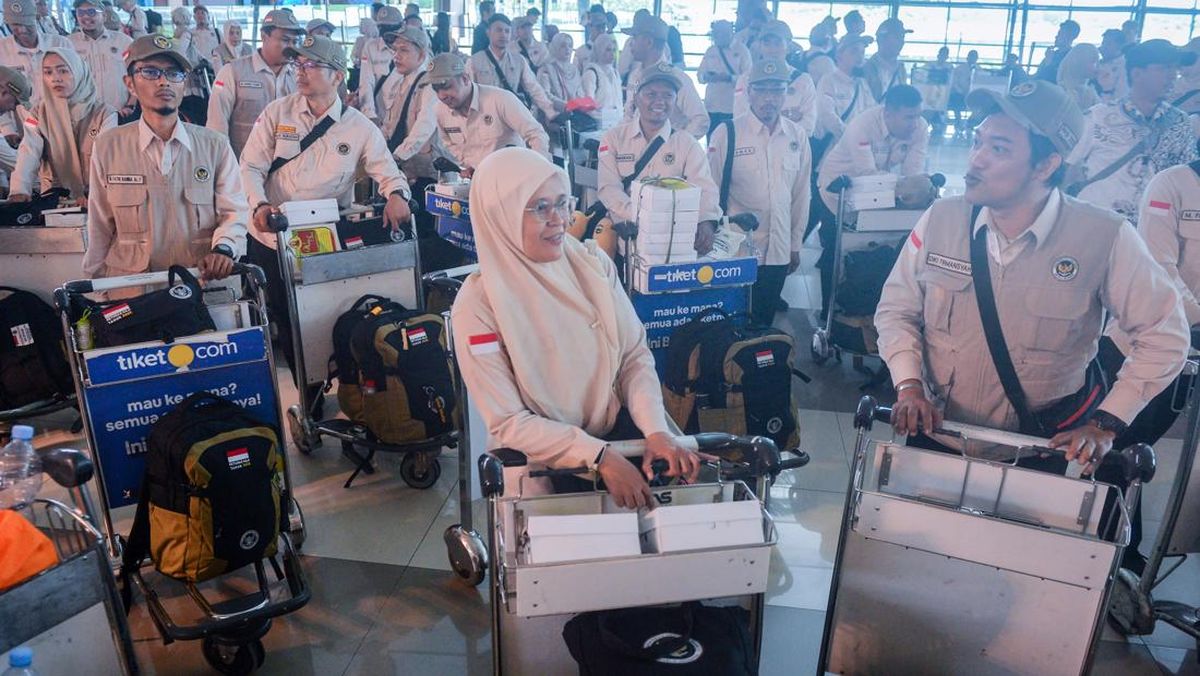
To support this ambitious increase in personnel and their strategic placement, Minister Irfan elaborated that the formation of the operational task force has undergone a meticulously structured and measured selection and training process. Nearly 3,000 officers have been meticulously prepared and are now on standby, ready to directly oversee the smooth execution of the pilgrims’ sacred rituals. This extensive team is tasked not only with emergency response but also with providing general assistance, guidance, and ensuring the overall comfort and well-being of the Indonesian contingent.
"We have prepared nearly 3,000 Hajj officers with very thorough preparations," Irfan affirmed, highlighting the scale of the human capital mobilization. This substantial workforce is critical for managing the vast numbers of Indonesian pilgrims, who traditionally form one of the largest national contingents. The sheer volume of pilgrims requires an equally robust support infrastructure, and the 3,000-strong team is a testament to the government’s commitment to meeting this demand.
Intensive Training and Preparation: A Multi-Layered Approach
The technical readiness of these field officers has been meticulously honed through an intensive and multi-layered training program. Kemenhaj has devised a specialized training regimen spanning a full month, integrating both intensive in-person quarantine sessions and comprehensive virtual modules. This hybrid approach ensures that officers receive both practical, hands-on experience and theoretical knowledge, preparing them for the diverse challenges they may encounter.
"They are prepared with 20 days in Hajj dormitories plus 10 days online," Irfan explained, detailing the rigorous training schedule. The in-dormitory training likely includes simulations of crowd management, first aid scenarios, cultural sensitivity workshops, and logistical drills. The online component would complement this by providing theoretical frameworks, updates on regulations, and digital tools for communication and reporting. This blended learning approach maximizes efficiency and ensures a holistic understanding of their responsibilities.
The curriculum for these officers is broad, encompassing not only crisis management but also a deep understanding of Hajj rituals, geography of the Holy Sites, communication protocols, basic medical assistance, and psychological support for pilgrims. Officers are trained to identify vulnerable pilgrims, such as the elderly or those with pre-existing health conditions, and provide targeted assistance. Empathy, cultural understanding, and language proficiency are also key components, given the diverse backgrounds of Indonesian pilgrims. The goal is to equip each officer with the skills to act as a guide, protector, and confidante for the pilgrims under their care.
Addressing the Inherent Challenges of Hajj
The Hajj pilgrimage, while a profoundly spiritual journey, inherently presents several logistical and safety challenges. The sheer density of pilgrims in limited sacred spaces, especially during rituals like Tawaf (circumambulation of the Kaaba), Sa’i (walking between Safa and Marwah), and the rites at Mina, Arafah, and Muzdalifah, necessitates stringent crowd control and emergency preparedness. Historically, incidents such as stampedes, heatstroke due to extreme temperatures, and outbreaks of infectious diseases have underscored the critical need for robust safety protocols.
Indonesia’s decision to double its protection personnel is a direct reflection of these historical lessons and a proactive measure to mitigate future risks. These officers are specifically trained to identify early warning signs of potential crowd crushes, initiate evacuation procedures, and provide immediate assistance to pilgrims suffering from heat exhaustion or other medical emergencies. Their presence across various pilgrimage sites will ensure a wider coverage and faster response time than ever before.
Furthermore, the Kemenhaj’s emphasis on "mastering crisis resolution scenarios" suggests a sophisticated approach to risk management. This includes planning for various contingencies, such as lost pilgrims, transportation breakdowns, and even minor incidents that can escalate if not managed properly. The training likely involves simulated exercises where officers respond to these scenarios, honing their decision-making skills under pressure.
The 2026 Hajj Journey: A Detailed Chronology
The Indonesian Hajj contingent for 2026 is scheduled to commence their spiritual journey shortly, with meticulous planning ensuring a smooth flow from departure to return. Pilgrims are set to begin entering the Hajj dormitories on Tuesday, April 21, marking the official start of their preparations on home soil. The following day, Wednesday, April 22, will see the first wave of pilgrims depart from Indonesia, embarking on their journey to Madinah.
The intricate schedule for the 2026 Hajj pilgrimage is as follows:
Phase of Departure (Fase Keberangkatan):
- April 21, 2026: Indonesian Hajj pilgrims begin entering the designated Hajj dormitories across the country. This phase includes final health checks, administrative processing, and orientation sessions.
- April 22, 2026: The inaugural departure of Hajj pilgrims from the first wave takes place, flying from various embarkation points in Indonesia directly to Madinah, Saudi Arabia. This marks the beginning of their spiritual journey.
- May 1, 2026: Pilgrims from the first wave who have completed their stay in Madinah commence their journey from Madinah to Makkah, typically via bus, to prepare for the main Hajj rituals.
- May 6, 2026: This date marks the final departure of Hajj pilgrims from the first wave from Indonesia to Madinah. All pilgrims designated for the first wave will have departed by this time.
- May 7, 2026: The second wave of Hajj pilgrims begins their departure from Indonesia, flying directly to Jeddah, Saudi Arabia. These pilgrims will typically proceed to Makkah first, bypassing Madinah for their initial rites.
- May 15, 2026: The final departure of Hajj pilgrims from the first wave traveling from Madinah to Makkah. All first-wave pilgrims will be in Makkah, preparing for the peak rituals.
- May 21, 2026: This is the final departure date for Hajj pilgrims from the second wave from Indonesia to Jeddah. It also serves as the closing date for all pilgrim arrivals at King Abdulaziz International Airport (KAAIA) in Jeddah, marking the end of the arrival phase.
Phase of Peak Hajj Rituals (Fase Puncak Haji):
- May 25, 2026: All Hajj pilgrims commence their journey from Makkah to Arafah, a pivotal movement marking the eve of the most important ritual of Hajj. This is a massive logistical operation involving thousands of buses.
- May 26, 2026: The Day of Wukuf in Arafah. This is the zenith of the Hajj pilgrimage, where pilgrims spend the day in prayer and reflection from noon until sunset. It is considered the most crucial rite of Hajj.
- May 27, 2026: Eid al-Adha 1447 H (Feast of Sacrifice). Following Wukuf, pilgrims proceed to Muzdalifah and then Mina for the ritual stoning (ramy) and sacrifice.
- May 28, 2026: First Day of Tashriq. Pilgrims continue the stoning ritual at Mina, followed by further acts of worship.
- May 29, 2026: Second Day of Tashriq (Nafar Awal). Pilgrims who wish to conclude their stay in Mina early may do so after completing their stoning rituals.
- May 30, 2026: Third Day of Tashriq (Nafar Tsani). Pilgrims complete their final stoning rituals in Mina before returning to Makkah, marking the end of the primary Hajj rites for most.
Phase of Return (Fase Kepulangan):
- June 1, 2026: The initial arrivals of Hajj pilgrims from the first wave back in Indonesia, marking the beginning of the return phase.
- June 7, 2026: Pilgrims from the second wave begin their journey from Makkah to Madinah, allowing them to perform rituals and visit historical sites in Madinah before returning home.
- June 15, 2026: The final repatriation of Hajj pilgrims from the first wave from Jeddah to Indonesia.
- June 16, 2026: Marking the Islamic New Year 1448 H, this day also signifies the beginning of the repatriation of Hajj pilgrims from the second wave, flying from Madinah to Indonesia.
- June 21, 2026: The final departure of Hajj pilgrims from the second wave from Makkah to Madinah. All second-wave pilgrims will be in Madinah for their final leg of the journey.
- June 30, 2026: The final repatriation of Hajj pilgrims from the second wave from Madinah to Indonesia.
- July 1, 2026: The final arrival of Hajj pilgrims from the second wave in Indonesia, concluding the entire 2026 Hajj operation.
This detailed schedule highlights the immense logistical coordination required to manage hundreds of thousands of pilgrims, ensuring their timely movement between sacred sites and efficient repatriation.
Broader Impact and Implications of Enhanced Protection
The significant enhancement in pilgrim protection and training by Kemenhaj carries several crucial implications. Firstly, it substantially boosts pilgrim confidence. Knowing that the government has doubled its on-the-ground support and invested heavily in crisis preparedness provides immense reassurance to pilgrims and their families, many of whom undertake this once-in-a-lifetime journey with significant personal sacrifice. This can alleviate anxieties, allowing pilgrims to focus more deeply on their spiritual devotion.
Secondly, these measures are likely to bolster Indonesia’s reputation in international Hajj management. As the nation with the largest Muslim population, Indonesia’s ability to safely and efficiently manage its Hajj contingent is closely watched. Robust safety protocols and a professional, well-trained support staff set a high standard, potentially influencing other Hajj-sending nations to adopt similar best practices. It showcases Indonesia’s leadership in caring for its citizens abroad during mass gatherings.
Thirdly, the focus on crisis resolution scenarios suggests a more sophisticated and proactive risk management strategy. This is critical in an environment as dynamic and unpredictable as the Hajj, where natural factors (like extreme weather) and human factors (like crowd dynamics) can quickly lead to emergencies. By training personnel to anticipate and effectively respond to a wide range of situations, Kemenhaj is moving towards a more resilient Hajj operation. This approach also implies closer coordination with Saudi Arabian authorities, who are ultimately responsible for overall Hajj safety and infrastructure. Collaborative efforts in areas such as emergency drills, communication protocols, and resource sharing would be paramount to success.
The investment in nearly 3,000 officers also extends beyond emergency response. These individuals serve as vital links for communication, health monitoring, and general welfare. They can assist with lost luggage, provide directions, facilitate medical attention, and offer emotional support, all of which contribute to a smoother and more positive pilgrimage experience. The 30-day intensive training equips them not just with skills but also instills a sense of duty and compassion essential for serving pilgrims.
Looking ahead, these enhanced preparations could set a new benchmark for future Hajj operations. The data and experiences gathered from the 2026 Hajj, particularly concerning the effectiveness of the increased personnel and specialized training, will be invaluable for refining strategies in subsequent years. It represents a continuous cycle of improvement, driven by a deep commitment to ensuring the safety, comfort, and spiritual fulfillment of every Indonesian pilgrim. The Kemenhaj’s proactive measures reflect a profound understanding of the sacred trust placed upon them, ensuring that the journey to the Holy Land remains a safe and profoundly meaningful experience for all.