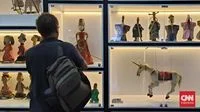
Jakarta, CNN Indonesia – The Museum Wayang, nestled within the historic Kota Tua district of Jakarta, is actively shedding its traditional image of being a somber and perhaps even eerie repository of artifacts. Instead, it is transforming into a dynamic and engaging space, inviting visitors to explore the rich world of wayang, a deeply ingrained aspect of Indonesian tradition, through contemporary and interactive methods. This evolution aims to attract a new generation of enthusiasts and ensure the enduring legacy of this classical art form.
A Journey Through History and Culture
The Museum Wayang is strategically located in close proximity to the Fatahillah Museum (formerly the Jakarta History Museum), making it a convenient and essential stop for anyone exploring the UNESCO World Heritage site of Kota Tua. The museum’s mission extends beyond mere display; it seeks to educate visitors on how wayang has served not only as a form of entertainment but also as a potent vehicle for transferring cultural values and moral teachings across generations.
To facilitate a comprehensive understanding, the museum is thoughtfully organized into distinct zones. These sections guide visitors through the historical evolution of wayang, showcase its diverse local and international variations, and illuminate the compelling narratives that form the core of wayang performances.
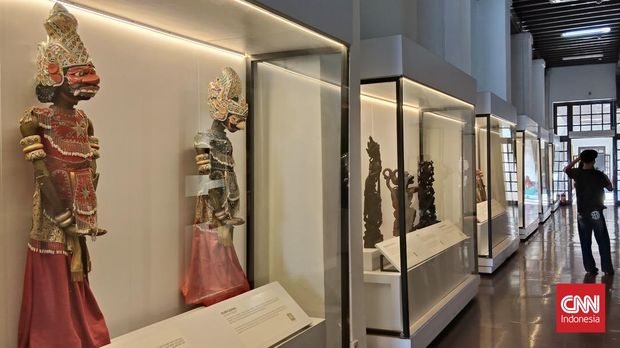
Upon entering, visitors are greeted by imposing figures of large-scale wayang golek – Ramawijaya, Rahwana, and Duryudana – positioned on the left. The right side of the entrance hall is dedicated to the historical narrative of the museum’s own building, revealing a fascinating layered past.
From Colonial Church to Cultural Hub: A Building’s Transformation
The site where the Museum Wayang now stands has a complex history predating its current role. Originally, the location housed a Dutch colonial church, known as the "Oude Hollandsche Kerk" or "Kruiskerk," established in 1632. Following damage, a new church was constructed and consecrated in 1736. However, by 1808, this church was dismantled and its materials sold after sustaining damage from an earthquake.
The building subsequently underwent several functional transformations. It served as a warehouse before eventually being repurposed as a museum. In 1939, it became the "Stedelijk Museum" (City Museum), later evolving into the "Museum Jakarta Lama" (Old Jakarta Museum) in 1962. Finally, on August 13, 1975, it officially opened its doors as the Museum Wayang, marking a new chapter in its long and varied existence.
Diverse Forms of Wayang: Beyond the Familiar
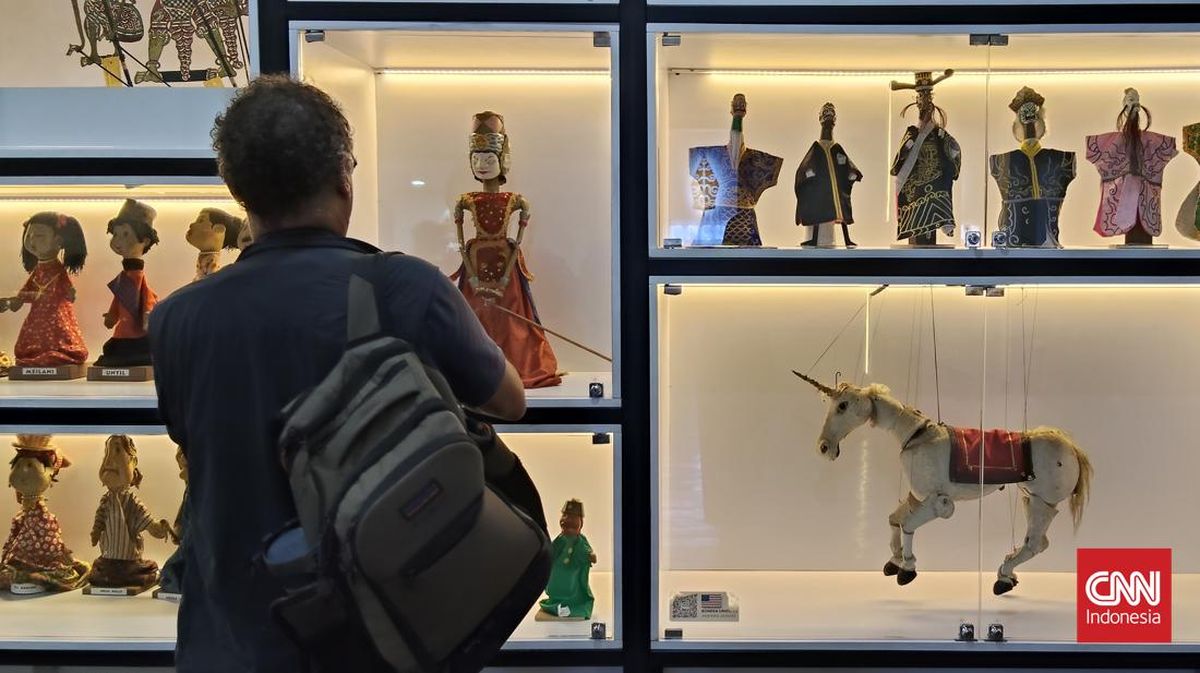
The museum’s exploration of wayang goes beyond the commonly known forms. Visitors discover that wayang golek is not exclusive to West Java. The museum showcases regional variations such as Wayang Golek Menak from Kebumen and Pekalongan, alongside distinct West Javanese styles like Wayang Golek Pakuan from Bogor and Wayang Golek Cepak from Cirebon.
Adjacent to these displays, visitors encounter Wayang Klithik, characterized by its puppets crafted from thin layers of wood. The name "Klithik" itself is derived from the distinctive "klithik klithik" sound produced by these wooden pieces as they collide during a performance.
An intriguing element within this initial zone is the presence of a tombstone and an empty garden area. This serves as a poignant reminder of the building’s past as a Dutch church complex, which included a cemetery. This burial ground once interred notable figures of the Dutch East India Company (VOC), their families, and soldiers, including Governor-General Jan Pieterszoon Coen, who served from 1627 to 1629. This historical detail adds a unique layer of depth to the museum’s narrative, connecting the physical space to its colonial past.
Wayang Nusantara and International Influences: A Global Reach
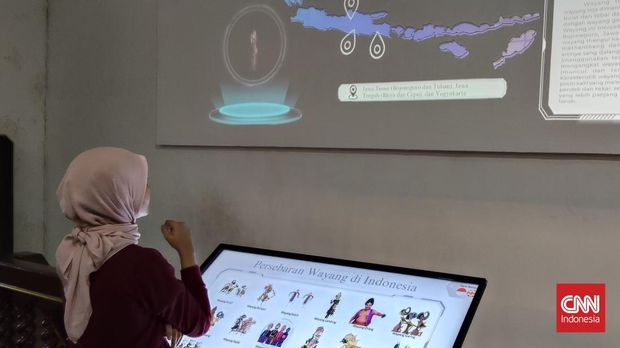
Ascending to the second floor, visitors are immersed in a broader spectrum of wayang traditions, extending beyond Java. A key feature of this section is the integration of touch-screen displays that offer information through audio and visual content. This modern approach allows visitors to delve into the intricacies of regional Indonesian wayang forms such as Wayang Potehi, Wayang Palembang, Wayang Papua, and Wayang Sasak.
While the visual aids primarily consist of location maps and text accompanying the audio, there is a clear opportunity for enhancement. The inclusion of video clips showcasing actual wayang performances from their regions of origin would undoubtedly elevate the visitor experience, providing a more dynamic and immersive understanding of these art forms.
The museum also dedicates significant space to showcasing a fascinating array of wayang and puppet traditions from around the globe. These international forms often draw inspiration from Indonesian wayang but are adapted and integrated with local cultural nuances. Countries represented include India, the Czech Republic, Suriname, Cambodia, Sweden, the United States, South Korea, Sri Lanka, the United Kingdom, France, Russia, Vietnam, Thailand, and Malaysia. This exhibition highlights the universal appeal and adaptability of puppetry as a storytelling medium.
Beyond Tradition: Wayang with a Purpose
Within the museum’s diverse collection, several unique wayang forms stand out for their specific cultural or religious roles. Wayang Wahyu, for instance, is a notable example of wayang kulit developed by Brother Timotheus Wignyosubroto in 1959 in Surakarta. Its creation was facilitated by puppeteer Rusradi in 1960, and it was specifically designed as a medium for disseminating Catholic teachings.
Another significant collection is Wayang Revolusi, also known as Wayang Perjuangan. These wayang figures represent prominent personalities from Indonesia’s struggle for independence, including national heroes like Soekarno and Mohammad Hatta. Their attire often reflects the modern fashion of the era, underscoring their historical context and symbolic representation of the nation’s fight for freedom.
Immersive Technology: Bridging the Past and Future
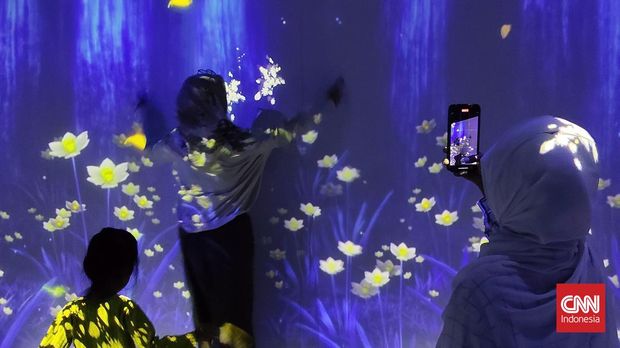
A significant draw for contemporary visitors is the Museum Wayang’s embrace of modern technology as an educational tool. The "Ruang Imersif" (Immersive Room) is a highlight that visitors should not miss. This innovative space transports visitors directly into the heart of wayang narratives through a captivating blend of visuals and audio.
The Ruang Imersif offers a 360-degree cinematic experience of wayang performances, allowing visitors to feel as though they are part of the story. Following this, visitors can engage with the "Arena Interaktif" and "Ramp Interaktif," interactive zones that provide further opportunities for engagement. Crucially, access to these advanced facilities is included in the general admission fee, requiring only a registration and adherence to scheduled time slots.
The Ruang Imersif has scheduled sessions from Tuesday to Friday, between 09:30 and 15:00 WIB, and on Saturdays and Sundays from 09:30 to 18:00 WIB. Entry to each session is managed in 30-minute intervals, ensuring a controlled and enjoyable experience for all.
Enhancing the Visitor Experience: Passport Stamps and Beyond
For avid museum-goers, the Museum Wayang offers a special incentive: the opportunity to collect three distinct stamps for their Museum Passport. This initiative encourages repeat visits and serves as a tangible memento of the experience.
The Museum Wayang’s strategic repositioning is a testament to the adaptive nature of cultural institutions in the 21st century. By integrating technological advancements with its rich historical collections, the museum is not only preserving traditional Indonesian art forms but also making them accessible and relevant to a new generation, ensuring that the stories and wisdom embodied in wayang continue to resonate. The museum’s efforts are crucial in countering the perception of museums as static institutions, demonstrating their potential to be vibrant centers of learning and cultural engagement. The success of this approach could serve as a model for other cultural heritage sites seeking to connect with contemporary audiences.
Related posts: