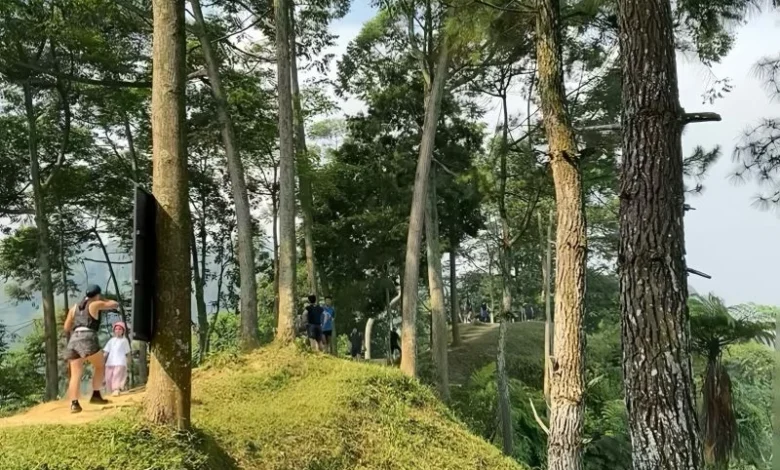
The allure of the great outdoors is increasingly captivating the urban populace, with trekking emerging as a popular choice for both physical fitness and recreational escape. For residents of Jakarta and its surrounding areas, the desire to reconnect with nature and de-stress from the demands of city life no longer necessitates extensive travel. The regency of Bogor, particularly the regions of Sentul, Cibodas, and Pamijahan, has become a prime destination, offering a diverse array of trekking routes that cater to all levels of experience, from novice explorers to seasoned adventurers. These accessible natural havens provide a welcome respite, boasting cooler air, pristine forests, rolling hills, winding rivers, and breathtaking waterfalls.
The growing popularity of trekking among urban dwellers can be attributed to several factors. As city life becomes more sedentary and screen-centric, there’s a heightened awareness of the benefits of physical activity and exposure to nature. Trekking offers a holistic approach to well-being, combining cardiovascular exercise with mental rejuvenation. Studies have consistently shown that spending time in natural environments can reduce stress hormones, improve mood, and enhance cognitive function. In a metropolitan context like Jakarta, where green spaces can be limited, the proximity of Bogor’s natural landscapes becomes a significant draw. The ability to embark on a rejuvenating trek over a weekend or even a day trip significantly contributes to work-life balance and overall quality of life.
This article delves into ten recommended trekking destinations in Bogor, highlighting their unique characteristics and appeal to a broad spectrum of outdoor enthusiasts. These locations, easily reachable from Jakarta, provide a tangible connection to the natural world, fostering both physical health and mental well-being.
Top Ten Trekking Destinations Near Jakarta
1. Curug Hordeng: A Sentul Favorite
Curug Hordeng stands as a favored trekking destination within the Sentul area of Bogor Regency. Its strategic location, making it a convenient weekend getaway for residents of Jakarta, Bekasi, and Depok, has cemented its status as a popular choice. The journey to Curug Hordeng involves a moderate trek of approximately 30 to 40 minutes, traversing a trail that offers a captivating immersion into the unspoiled forest and the gentle flow of natural rivers. This pristine natural scenery serves as a significant draw for nature lovers seeking an authentic wilderness experience.
The accessibility of Curug Hordeng is a key factor in its popularity. Unlike more remote destinations, it allows for a spontaneous escape without requiring extensive planning or travel time. This is particularly appealing to individuals and families looking to break away from their routine without committing to a multi-day excursion. The moderate difficulty of the trail also ensures that it remains accessible to a wide range of fitness levels, encouraging participation and fostering a sense of accomplishment.
2. Curug Kembar: The Twin Falls
A short distance from Curug Hordeng lies Curug Kembar, accessible via a well-trodden path and a charming crossing over a tranquil lake. The namesake of this waterfall, "Kembar" meaning twin, aptly describes its unique feature: two distinct streams of water cascading down, separated by a large boulder. Despite its relatively modest height, the waterfall is framed by natural rock formations, creating a picturesque scene that invites both contemplation and photography.
The proximity of Curug Kembar to Curug Hordeng allows for a combined trekking experience, offering visitors the opportunity to explore multiple natural wonders within a single outing. This sequential exploration enhances the overall value of the trip, providing a more comprehensive experience of the local natural landscape. The serene environment surrounding Curug Kembar further contributes to its appeal as a place for relaxation and quiet enjoyment of nature’s beauty.
3. Curug Ciburial: A Challenging Blue Gem
For those seeking a more demanding trek, Curug Ciburial presents a compelling option. The path leading to this waterfall is characterized by steeper ascents and descents, offering a more strenuous workout and a greater sense of adventure. Upon arrival, trekkers are rewarded with a spectacular sight: a waterfall with a distinctive, crystal-clear blue hue. This unique coloration is a hallmark of Curug Ciburial, adding to its allure. However, visitors are advised against swimming due to the significant depth of the river in this area, which can reach four to five meters, emphasizing the importance of safety precautions and respecting the natural environment.
The challenging terrain of Curug Ciburial caters to individuals who are looking to push their physical limits and experience a more rugged natural environment. The reward of witnessing the unique blue water after a demanding trek enhances the sense of achievement and makes the experience more memorable. The warning about the depth also serves as an important reminder of the power and potential dangers of natural water bodies, promoting responsible engagement with the environment.
4. Bukit Paniisan: Panoramic Vistas from Gunung Pancar
Bukit Paniisan, situated within the Gunung Pancar area of Sentul, offers a more extended trekking experience for enthusiasts who enjoy longer routes. This hill, standing at approximately 846 meters above sea level, provides breathtaking panoramic views from its summit. Visitors are treated to sweeping vistas of lush green hills, expansive tree canopies, and the refreshing embrace of cool mountain air. Strategically placed resting areas along the route allow trekkers to pause, recuperate, and fully absorb the tranquil natural ambiance before continuing their journey.
The appeal of Bukit Paniisan lies not only in its physical challenge but also in the immersive experience it offers. The opportunity to walk through verdant landscapes, breathe in the fresh air, and witness expansive natural beauty contributes to a profound sense of well-being. The presence of designated rest spots further enhances the comfort and enjoyment of the trek, making it a more sustainable and pleasurable activity for a wider range of participants. The elevation also offers a distinct microclimate, providing a welcome respite from the humidity of the lowlands.
5. Bukit Daolong: Family-Friendly Trails with Valley Views
Nestled in Bojong Koneng, Babakan Madang District, Bogor Regency, Bukit Daolong presents a trekking route that is both rewarding and relatively accessible, making it an excellent choice for families. The trail predominantly consists of a gradually ascending path that winds through lush forests and agricultural lands. The summit of Bukit Daolong offers a spectacular panorama of the expansive Sentul valley, providing a sense of accomplishment and a beautiful backdrop for relaxation.
The family-friendly nature of Bukit Daolong is a significant advantage, encouraging outdoor activities among younger generations and fostering an early appreciation for nature. The gradual incline ensures that the trek is not overly strenuous for children, allowing them to participate actively and enjoy the experience. The stunning valley views serve as a powerful incentive and a memorable reward for the effort involved. This accessibility contributes to the growing trend of outdoor recreation as a family bonding activity.
6. Curug Cibereum: Gateway to Taman Nasional Gunung Gede Pangrango
Curug Cibereum, located within the expansive Taman Nasional Gunung Gede Pangrango (Gede Pangrango National Park), is a popular trekking route, particularly favored by beginners. The path leading to this waterfall is accessible via the Cibodas route, offering a relatively easy and manageable terrain. Along the journey, trekkers are treated to the scenic beauty of Telaga Biru, a picturesque blue lake that is one of the iconic attractions of the national park.
The inclusion of Telaga Biru as a point of interest along the trail to Curug Cibereum enhances its appeal. It provides an additional natural wonder to behold and a perfect spot for a brief interlude. The relative ease of the trail makes it an ideal introduction to trekking in a national park setting, allowing beginners to experience the grandeur of such protected areas without being intimidated by difficult terrain. The proximity to other attractions within the national park also makes it a strategic starting point for further exploration.
7. Goa Garunggang: A Natural Canyon Wonder
Goa Garunggang, situated in Karang Tengah Village, Babakan Madang District, Bogor Regency, is reachable via a trek through the Sentul Rainforest. This destination is renowned for its unique geological formations that strikingly resemble narrow canyons, reminiscent of the Grand Canyon. The distinctive layered rock structures form the primary attraction, making it a favored spot for tourists and photographers alike.
The geological uniqueness of Goa Garunggang sets it apart from other natural attractions. The visually striking rock formations offer a different kind of natural beauty, one that is both awe-inspiring and photogenic. The comparison to the Grand Canyon, though on a smaller scale, effectively conveys the dramatic and impressive nature of the site. This unique characteristic draws visitors seeking novel experiences and opportunities for creative photography.
8. Curug Cibingbin: A More Challenging Ascent
Curug Cibingbin offers a trekking experience that is notably more challenging compared to many other destinations in the Sentul region. The journey to this waterfall requires approximately two hours of trekking through hilly terrain. Upon reaching an elevation of around 846 meters above sea level, trekkers are rewarded with expansive natural panoramas and an ambiance of profound natural tranquility.
The increased difficulty of the trek to Curug Cibingbin appeals to those seeking a more robust physical challenge. The reward of reaching a significant elevation and enjoying unobstructed views of the surrounding natural landscape provides a strong sense of accomplishment. The untouched, pristine environment further enhances the experience, offering a true escape from the hustle and bustle of urban life. The sustained effort required to reach the destination amplifies the appreciation for the natural beauty encountered.
9. Curug Leuwi Hejo and Leuwi Lieuk: Intermediate Trails to Emerald Pools
For trekkers who have developed a comfortable level of experience, the area encompassing Curug Leuwi Hejo, Curug Barong, and Leuwi Lieuk presents trekking routes of intermediate difficulty. These trails span approximately four to five kilometers and typically require three to four hours to complete. The journey involves navigating across rivers, traversing rocky terrains, and passing through dense forest areas before reaching the renowned Curug Leuwi Hejo, celebrated for its clear, greenish waters. From Curug Leuwi Hejo, it is possible to continue the trek to Curug Barong and Leuwi Lieuk, which are located in close proximity.
The intermediate difficulty of these trails strikes a balance, offering a sufficient challenge to be engaging without being overly daunting for those with some trekking experience. The diverse terrain, including river crossings and forest paths, adds an element of adventure. The destination, Curug Leuwi Hejo, with its distinctive emerald waters, is a significant draw. The ability to extend the trek to other nearby waterfalls, Curug Barong and Leuwi Lieuk, enhances the overall value and exploration potential of the outing, allowing for a more comprehensive experience of the area’s natural beauty.
10. Curug Cikawah: The Unique Hot and Cold Springs of Mount Salak Foothills
Located at the foothills of Mount Salak, in the Pamijahan area of Bogor Regency, Curug Cikawah is a destination that requires a more extended trekking journey due to its relatively remote location. Despite the longer travel time, the natural splendor of Curug Cikawah is its primary allure. This waterfall is distinguished by a unique natural phenomenon: the simultaneous presence of both hot and cold springs flowing in the same vicinity. This remarkable characteristic continues to attract a steady stream of visitors eager to experience this unusual trekking destination and its pristine natural surroundings.
The remoteness of Curug Cikawah contributes to its unspoiled beauty and offers a more profound sense of escape. The unique geological feature of coexisting hot and cold springs is a significant draw, providing an experience that is both scientifically intriguing and experientially novel. This natural wonder offers a dual appeal: the physical challenge of the trek and the extraordinary natural phenomenon at its conclusion. The sustained visitor interest underscores the appeal of unique natural attractions and the rewards of venturing off the beaten path.
The Growing Significance of Accessible Nature Tourism
The proliferation of these accessible trekking destinations near Jakarta signifies a broader trend towards embracing nature-based tourism as a vital component of urban living. As cities continue to expand, the demand for green spaces and opportunities for outdoor recreation intensifies. The regency of Bogor, with its diverse topography and relatively close proximity to the capital, has strategically positioned itself as a key provider of such experiences.
The economic implications of this trend are also noteworthy. Local communities surrounding these trekking sites often benefit from increased tourism revenue through homestays, local guides, food vendors, and craft sales. This can foster sustainable development and provide economic opportunities that are directly linked to the preservation of natural environments. However, it also necessitates careful management and planning to mitigate potential negative impacts, such as overcrowding, waste generation, and habitat disruption.
Future Outlook and Sustainable Practices
The continued popularity of trekking in Bogor underscores the growing importance of nature-based tourism in promoting physical and mental well-being. As more urban dwellers seek these escapes, there is a parallel need for responsible tourism practices. Initiatives focused on trail maintenance, waste management, visitor education on environmental conservation, and community involvement are crucial for ensuring the long-term sustainability of these natural treasures.
The Indonesian government and local authorities have a role to play in supporting and regulating these activities. Investing in infrastructure that enhances accessibility while minimizing environmental impact, promoting eco-tourism certifications, and fostering partnerships between tourism operators and conservation organizations can help strike a balance between economic development and environmental protection. The future of trekking in Bogor, and indeed in similar accessible natural areas near other major urban centers, hinges on a commitment to preserving the very landscapes that draw people in, ensuring that these vital green lungs continue to thrive for generations to come.
The diverse offerings in Bogor, from the gentle paths suitable for families to the more challenging routes for seasoned trekkers, demonstrate the region’s capacity to cater to a wide array of outdoor enthusiasts. These accessible natural havens are not merely recreational spots but essential outlets for stress relief, physical activity, and a deeper connection with the natural world, proving invaluable for the well-being of Jakarta’s urban population.
Related posts: