Massive HIV Outbreak Among Children in Sindh Pakistan Sparks Healthcare Crisis and Urgent National Investigation


The province of Sindh in Pakistan is currently grappling with a burgeoning public health emergency following the discovery of a significant cluster of Human Immunodeficiency Virus (HIV) infections, predominantly among children. Reports from Karachi, the nation’s most populous city and economic hub, indicate that at least 130 individuals have tested positive for the virus in recent weeks. The epicenter of this localized epidemic has been identified as the Kulsum Bai Valika (KBV) Hospital, a state-linked facility that provides medical services to industrial workers and their families. This alarming development has sent shockwaves through the local community and prompted health authorities to launch a massive screening operation to determine the full extent of the transmission.
As of the latest updates from provincial health officials, the number of confirmed cases has risen sharply, raising fears of a systemic failure in infection control protocols. The Sindh provincial government, led by the Department of Health and the Ministry of Labor, has mobilized resources to contain the situation, but the sheer volume of positive results among minors has led to widespread public outcry. The crisis underscores the persistent vulnerabilities within Pakistan’s healthcare infrastructure, particularly regarding the regulation of medical practices and the management of blood-borne pathogens.
Surveillance and Screening at Kulsum Bai Valika Hospital
The scale of the outbreak became apparent following an intensive diagnostic campaign spearheaded by the Sindh Employees Social Security Institution (SESSI). Saeed Ghani, the Provincial Minister for Labor, confirmed earlier this week that medical teams have conducted screenings for more than 10,500 individuals in the vicinity of the Kulsum Bai Valika Hospital. Of those tested within the hospital’s immediate catchment area, 120 individuals were found to be HIV-positive.
The screening efforts did not stop at the KBV facility. A secondary investigation conducted at another SESSI-managed facility in the Landhi industrial area of Karachi identified an additional 10 cases, bringing the current confirmed total to 130. SESSI is an autonomous provincial organization tasked with providing healthcare, financial assistance, and medical benefits to industrial and commercial workers. Because the organization serves a specific demographic—primarily low-to-middle-income laborers and their dependents—the outbreak has disproportionately affected vulnerable families who rely on state-subsidized medical care.
The concentration of cases among children is particularly distressing to health experts. In many instances, the pediatric patients were being treated for common ailments such as respiratory infections or persistent fevers when subsequent testing revealed the presence of HIV. This pattern suggests that the transmission may have occurred within the clinical environment, likely through the reuse of contaminated syringes or improper sterilization of medical equipment.
Chronology of the Crisis
The current crisis at the KBV Hospital did not emerge in a vacuum. While public attention peaked in November 2025, the origins of the outbreak can be traced back several weeks prior. According to provincial health department records, the first signs of trouble appeared in October 2025, when six children tested positive for HIV within a short timeframe. These initial cases were initially viewed as isolated incidents, but they prompted a preliminary investigation into the hospital’s pediatric ward.
By November 2025, residents of SITE Town, the industrial neighborhood surrounding the hospital, began to notice an unusual number of children within their community falling ill and receiving similar diagnoses. As word spread, anxiety turned into a demand for transparency, forcing the government to acknowledge the cluster. The subsequent mass screening program, which began in early December, revealed the true magnitude of the problem, showing that the infection rate was far higher than initially estimated.
The timeline of the outbreak suggests a failure in early warning systems. Despite the first six cases being reported in October, it took nearly a month for a comprehensive provincial response to be enacted. During this gap, it is feared that continued poor medical practices may have contributed to further infections. The government is now facing questions regarding why the facility was not immediately audited upon the discovery of the first cluster.
Historical Context: The Shadow of Ratodero
The current situation in Karachi evokes grim memories of the 2019 HIV outbreak in Ratodero, a town in the Larkana District of Sindh. In that instance, more than 1,100 people, nearly 900 of whom were children, tested positive for HIV. The Ratodero crisis was one of the largest pediatric HIV outbreaks in global history and was eventually traced back to a local pediatrician who was accused of reusing syringes, as well as a broader network of unqualified "quack" doctors operating in the region.
The parallels between the Ratodero tragedy and the current KBV Hospital outbreak are striking. Both events occurred within the Sindh province, both primarily affected children, and both pointed toward catastrophic failures in medical hygiene. The 2019 incident was supposed to be a turning point for Pakistan’s healthcare system, leading to the "Sindh HIV and AIDS Control, Treatment and Protection Act." However, the recurrence of a similar cluster in Karachi suggests that the legislative and regulatory reforms promised years ago have not been effectively implemented on the ground.
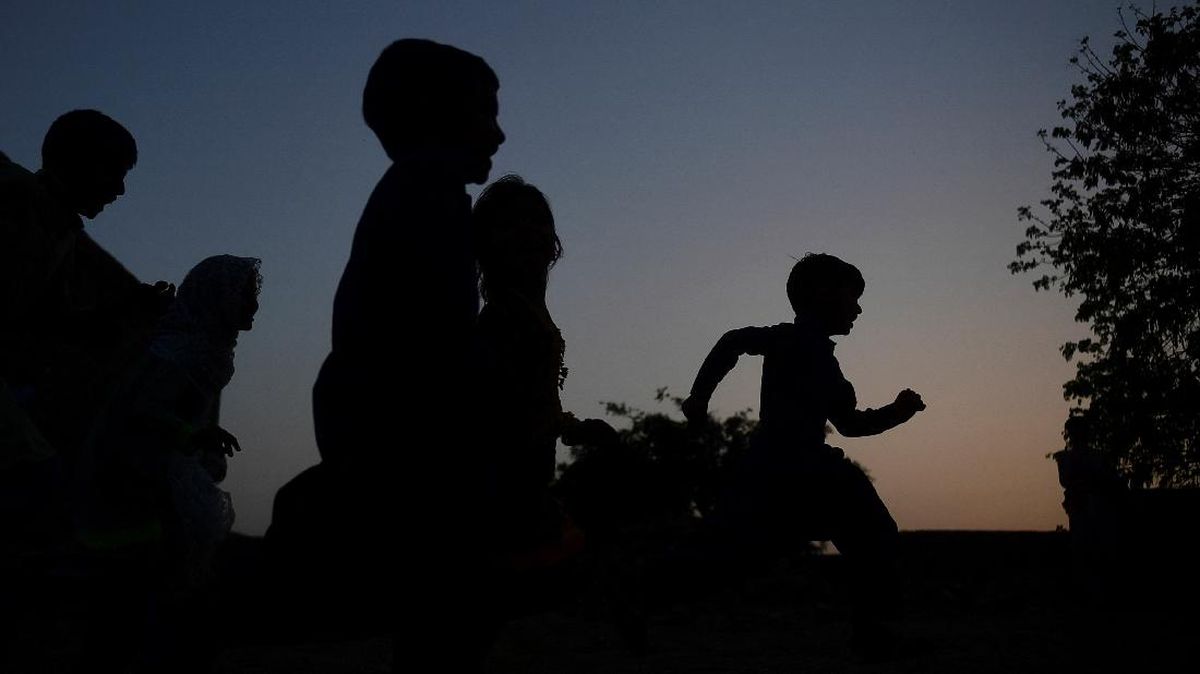
Pakistan remains one of the few countries in the Asia-Pacific region where the number of HIV cases is on the rise. While many nations have successfully moved toward eliminating mother-to-child transmission and reducing new infections through education and sterile practices, Pakistan continues to battle outbreaks driven by unsafe medical procedures.
Systemic Drivers of the Outbreak
Independent health analysts and international organizations, including the World Health Organization (WHO), have long identified the primary drivers of HIV transmission in Pakistan. Unlike many Western nations where HIV is primarily spread through sexual contact or intravenous drug use among adults, the Pakistani context is heavily influenced by "iatrogenic" transmission—infections caused by medical treatment.
- Reuse of Syringes: The most significant factor is the widespread reuse of disposable syringes. In many resource-constrained settings, healthcare providers—both legitimate and unlicensed—may reuse needles to save costs. This practice is a direct conduit for blood-borne diseases like HIV and Hepatitis B and C.
- Unregulated Private Clinics: The prevalence of "quacks" or unqualified practitioners is a major hurdle. These individuals often operate without licenses, have no formal medical training, and ignore basic antiseptic protocols.
- Inadequate Waste Management: The improper disposal of medical waste allows used syringes to find their way back into the market. Scavengers often collect used needles from hospital waste bins, which are then repackaged and sold as new.
- Blood Transfusion Safety: While Karachi has better blood screening facilities than rural areas, the safety of blood transfusions remains a concern in smaller or less-regulated clinics.
The fact that the current outbreak is centered on a government-affiliated hospital like KBV is particularly concerning. It indicates that even within formal institutions managed by bodies like SESSI, the adherence to World Health Organization standards for infection prevention and control (IPC) may be dangerously lax.
Official Responses and Remedial Actions
In response to the growing outcry, the Sindh government has vowed to take "stern action" against any personnel found negligent. Saeed Ghani emphasized that the government’s priority is twofold: providing immediate treatment to those infected and sanitizing the healthcare system to prevent further spread.
"We are providing free antiretroviral therapy (ART) to all affected children and adults," Ghani stated during a press briefing. "The SESSI administration has been directed to cooperate fully with the health department’s inquiry committee. We will not tolerate any compromise on the lives of our workers and their children."
The provincial health department has also established a specialized task force to oversee the KBV Hospital’s operations. This includes a mandatory retraining program for all nursing and paramedical staff on the proper disposal of sharps and the sterilization of surgical instruments. Furthermore, the government has announced a province-wide crackdown on unlicensed clinics and pharmacies selling used or substandard medical supplies.
However, critics argue that these measures are reactive rather than proactive. Opposition leaders in the Sindh Assembly have called for a judicial inquiry into the management of SESSI-run hospitals, alleging that corruption and a lack of oversight have allowed these facilities to deteriorate into "death traps" for the working class.
Broader Implications and the Road Ahead
The long-term implications of this outbreak are profound. For the 130 individuals newly diagnosed, life has changed irrevocably. In Pakistan, HIV carries a heavy social stigma, often associated with perceived "immoral" behavior, despite the fact that these children were infected through medical negligence. This stigma can lead to social isolation, the loss of educational opportunities for children, and psychological trauma for families.
Economically, the burden on the affected families is significant. While the government has promised free medication, the ancillary costs of chronic illness—nutrition, transportation to specialized clinics, and lost wages for parents—can push low-income families deeper into poverty.
From a public health perspective, the Karachi outbreak is a reminder that Pakistan’s fight against HIV cannot be won through medication alone. It requires a fundamental shift in the culture of medical practice. This includes:
- Strict Enforcement of Single-Use Policy: Ensuring that every patient sees their needle being removed from a sterile packet.
- Improved Medical Education: Training healthcare workers not just in diagnosis, but in the rigorous application of hygiene standards.
- Public Awareness: Educating the public to demand safe injections and to recognize the dangers of "quack" practitioners.
- Strengthening Regulatory Bodies: Empowering the Sindh Healthcare Commission to conduct unannounced inspections and shut down non-compliant facilities immediately.
As the screening process continues in Karachi, the number of confirmed cases is expected to fluctuate. The international community, including UN agencies, will likely be watching closely to see if Pakistan can finally address the root causes of these recurring tragedies. For the families in SITE Town and Landhi, the immediate concern remains the health of their children and the hope that no other family has to endure the same preventable heartbreak.
Related posts: