Cranberry juice emerges as a potential ally in oral health by suppressing dental plaque growth and bacterial activity

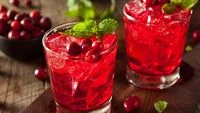
The red, tart cranberry, long celebrated for its efficacy in preventing urinary tract infections (UTIs), may hold a secondary, perhaps equally significant, benefit for human health: the maintenance of oral hygiene. Recent scientific research published in the journal Scientific Reports has unveiled evidence suggesting that the compounds found in cranberries can significantly inhibit the development of dental plaque, the sticky biofilm that serves as the primary precursor to tooth decay and periodontal disease. This discovery challenges long-held perceptions about the role of fruit juices in dental health, suggesting that specific botanical compounds can outweigh the negative impacts typically associated with acidity and sugar content.
The Mechanism of Action: Proanthocyanidins
At the heart of the cranberry’s health-promoting properties lies a group of polyphenolic compounds known as proanthocyanidins, or PACs. Historically, the medical community has focused on the role of PACs in preventing UTIs. In that context, these compounds function by interfering with the ability of Escherichia coli bacteria to adhere to the uroepithelial cells lining the bladder. By preventing bacterial adhesion, the body is able to flush out pathogens before an infection can establish itself.
Researchers led by Dr. Christine Wu, a prominent dental researcher, hypothesized that this same anti-adhesive mechanism might be applicable to the microbial environment of the oral cavity. The primary culprit in tooth decay is Streptococcus mutans, a bacterium that colonizes the teeth and thrives within the biofilm of dental plaque. These bacteria metabolize sugars to produce lactic acid, which subsequently demineralizes the tooth enamel, leading to cavities. The research team sought to determine if cranberry PACs could disrupt the formation of these S. mutans biofilms, effectively starving the bacteria of their ability to damage dental structures.
Clinical Study Overview and Methodology
The study, conducted by Dr. Wu and her colleagues, utilized a controlled, albeit small-scale, experimental design to test the efficacy of cranberry juice on oral biofilm. The cohort consisted of 8 adults and 14 children, representing a demographic range that allowed researchers to observe bacterial responses in different oral environments.
Participants were exposed to cranberry juice—both in its sweetened commercial form and in a pure, unsweetened iteration. The findings were compelling: after exposure to the cranberry-based liquids, the regrowth of plaque bacteria was recorded as 27 percent lower than the baseline levels observed prior to the intervention. While the researchers noted that the statistical significance of this specific reduction was nuanced, the broader implications were clear: the cranberry treatment created an environment hostile to the colonization of harmful bacteria.
Furthermore, the study highlighted that pure cranberry juice was significantly more effective at reducing the production of acid within the plaque biofilm compared to sweetened alternatives. By limiting the acid output, the juice effectively curbed the chemical processes that lead to the erosion of dental enamel.
Challenging the Sweetened Juice Paradigm
For decades, dental professionals have advised patients to limit the consumption of fruit juices due to their high sugar content and acidity, both of which are known to exacerbate tooth decay. Dr. Wu acknowledged this common clinical perspective, noting that most consumers view cranberry juice as an overly acidic and sugary beverage that would ostensibly harm the teeth.
"Most people assume that because cranberry juice is inherently tart and often supplemented with sweeteners, it would be detrimental to oral health," Dr. Wu stated in the aftermath of the study. "However, this research reveals a paradoxical benefit. The potent bioactivity of the cranberry compounds appears to offer a protective effect that may mitigate the risks associated with the juice’s sugar content, provided that the juice is consumed mindfully."
The researchers emphasized that while the findings are promising, they do not advocate for the unlimited consumption of commercial cranberry cocktails, which are often heavily sweetened. The highest potential for dental benefit lies in unsweetened, pure cranberry extract or juice, which maximizes the concentration of PACs without the added risk of refined sugar.
Historical Context and Evolution of Research
The transition of the cranberry from a traditional folk remedy for bladder health to a subject of serious dental research is part of a broader shift in nutritional science. For much of the 20th century, the cranberry was largely relegated to the culinary sphere, used primarily in sauces and preserves. It was not until the late 1990s and early 2000s that clinical interest in cranberry PACs surged, driven by the need for non-antibiotic treatments for recurrent UTIs.
The timeline of this specific dental research follows several years of laboratory analysis regarding how polyphenols interact with oral biofilms. Previous studies had indicated that plant-derived polyphenols could disrupt the glucosyltransferase enzymes used by bacteria to build the sticky matrix of plaque. The current research represents a maturation of these theories, moving from test-tube experiments to human-based observational studies.
Broader Implications for Preventive Dentistry
The implications of these findings for public health are substantial. If a simple, natural dietary intervention can reduce the burden of plaque, it could serve as a powerful auxiliary tool in preventive dentistry. Traditional oral hygiene—brushing, flossing, and the use of antiseptic mouthwashes—remains the gold standard, but the development of resistance to chemical agents and the desire for "natural" health solutions have created a demand for alternatives.
From a clinical standpoint, the integration of cranberry-derived compounds into oral health products, such as mouthwashes or dental rinses, represents a viable path forward. By isolating the proanthocyanidins, manufacturers could potentially provide the protective benefits of the fruit without the negative externalities of sugar and citric acid, which can still cause enamel erosion if consumed in high volumes.
Analytical Outlook and Future Directions
While the results of the Scientific Reports study are encouraging, researchers advise caution. The study’s small sample size suggests that larger, multi-center clinical trials are required to confirm these results across broader populations with varying genetic predispositions to dental disease.
Moreover, dental health is multifactorial. Plaque growth is influenced by diet, oral microbiome diversity, saliva composition, and genetic factors. Relying on cranberry juice as a "cure-all" would be premature and scientifically inaccurate. The role of cranberries is likely that of a supplement to, rather than a replacement for, standard oral hygiene practices.
Furthermore, the research underscores a growing trend in nutritional science: the recognition that food components do not act in isolation. The synergy between the acidity of the fruit and the protective nature of its polyphenols requires a balanced approach. Future research will likely focus on determining the "therapeutic dose"—the exact concentration of PACs required to produce a consistent, clinically significant reduction in plaque without damaging the teeth through prolonged acid exposure.
Summary of Findings
The study has effectively shifted the narrative surrounding cranberry consumption. By providing empirical evidence that cranberry components can suppress the S. mutans bacteria responsible for tooth decay, the research offers a new perspective on how dietary habits impact oral physiology. As the industry moves toward more integrative health solutions, the humble cranberry stands as a compelling example of how natural compounds, when understood through rigorous scientific inquiry, can offer tangible benefits to human well-being.
Moving forward, health professionals and consumers alike should view these findings as an encouragement to consider the diverse bioactive profiles of the foods they consume. As science continues to map the relationship between the gut-oral microbiome axis and systemic health, the humble cranberry may find itself at the center of a new generation of preventive oral care strategies. The path from the laboratory to the dentist’s chair remains long, but the initial evidence is both clear and scientifically grounded: when it comes to the battle against plaque, the cranberry is a formidable ally.