The Health and Nutritional Benefits of Homemade Strawberry and Banana Juice in Modern Diets

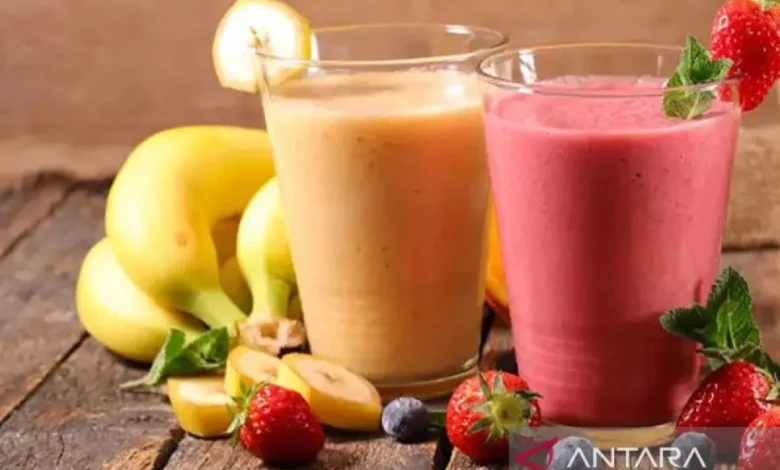
In contemporary dietary science, the shift toward whole-food, plant-based beverages has gained substantial momentum as nutritionists and public health advocates emphasize the importance of preventative health through daily dietary choices. Among the myriad options available to households seeking quick yet nutritious meal accompaniments, the combination of strawberry and banana juice—often prepared as a thick, fiber-rich smoothie—has emerged as a popular and accessible staple. This vibrant beverage merges the distinct nutritional profiles of two widely consumed fruits: strawberries, celebrated for their high concentrations of vitamin C and potent antioxidants, and bananas, valued globally as a reliable source of quick-release carbohydrates, dietary fiber, and essential minerals like potassium.
While public interest in functional beverages continues to rise due to wellness trends popularized across digital media and health publications, medical professionals consistently underscore that no single food or drink acts as a universal cure for illness. Instead, experts frame homemade fruit blends as dynamic components of a broader, well-rounded diet. Understanding the precise biochemical contributions of strawberries and bananas requires an examination of their individual nutrient densities, the physiological impacts of regular consumption, proper preparation methodologies, and the caveats established by international health authorities regarding daily fruit juice intake.
Nutritional Profiles and Biochemical Contributions
The synergy between strawberries and bananas lies in the complementary nature of their macronutrients and micronutrients. Strawberries (Fragaria ananassa) are scientifically recognized for their low glycemic index relative to other tropical fruits, alongside an impressive density of micronutrients. According to reference data provided by institutions such as the Cleveland Clinic, a standard 100-gram serving of raw strawberries contains approximately 59.6 milligrams of vitamin C, though this figure fluctuates based on agricultural variables, geographic origin, ripeness at harvest, and post-harvest storage conditions. Vitamin C, or ascorbic acid, functions primarily as a water-soluble antioxidant that neutralizes reactive oxygen species, thereby mitigating cellular damage caused by oxidative stress. Furthermore, it plays an indispensable biochemical role in the synthesis of collagen—the structural protein essential for skin integrity, blood vessel walls, cartilage, and bone matrix formation—while concurrently enhancing the non-heme iron absorption from plant-based foods.
Conversely, bananas (Musa acuminata) contribute dense macronutrient structures, primarily in the form of complex and simple carbohydrates that serve as rapid yet sustained sources of metabolic energy. Data from the Harvard T.H. Chan School of Public Health indicates that a single medium-sized banana provides roughly 450 milligrams of potassium. Potassium is an essential intracellular electrolyte responsible for maintaining fluid balance, transmitting nerve impulses, and facilitating proper skeletal and cardiac muscle contraction. Adequate potassium intake operates in direct tandem with the body’s sodium regulation systems, assisting in the attenuation of blood pressure levels by encouraging the renal excretion of excess sodium. When blended together, the fruit matrix supplies dietary fiber in the form of both soluble pectins and insoluble plant cell walls, which promote gastrointestinal motility and foster a healthy gut microbiome.
Public Health Context and the Evolution of Beverage Consumption
The modern resurgence of home-blended juices and smoothies traces its roots to a convergence of lifestyle shifts, heightened post-pandemic health awareness, and the widespread availability of high-powered domestic kitchen appliances. Historically, fruit juices were commercially produced, pasteurized, and stripped of their fibrous pulp, leading to rapid blood glucose spikes upon consumption. However, contemporary nutritional guidance heavily favors whole-fruit blending over traditional juicing. By retaining the pulp and skin where applicable, individuals consume the entire food matrix, preserving the structural integrity of the dietary fiber.
Public health agencies globally have observed a notable increase in chronic metabolic conditions, prompting renewed educational campaigns centered on preventative nutrition. Nutritionists and dietitians frequently point out that incorporating potassium- and vitamin-rich foods into breakfast routines or pre-workout snacks helps bridge the nutritional gaps common in fast-paced urban environments. Despite these benefits, public health bodies maintain strict guidelines regarding total fruit juice and smoothie consumption. For instance, the United Kingdom’s National Health Service (NHS) has historically recommended limiting the combined intake of fruit juices, vegetable juices, and smoothies to approximately 150 milliliters per day. This public health benchmark is designed to prevent excessive free-sugar consumption—even intrinsic sugars liberated from cellular walls during blending—which can contribute to dental caries and metabolic strain if unregulated.
Analytical Breakdown of Health Implications
A rigorous analysis of strawberry and banana juice reveals multiple physiological impacts, ranging from cellular protection to metabolic energy regulation. However, these implications must be viewed through a lens of balanced scientific realism rather than exaggerated health marketing.
-
Immune Support and Collagen Synthesis via Vitamin C
The inclusion of strawberries ensures a robust delivery of ascorbic acid. Beyond its antioxidant capacity, vitamin C supports leukocyte function, bolstering the body’s innate and adaptive immune responses. The structural implications for wound healing and tissue repair underscore the importance of maintaining consistent vitamin C status, as the human body cannot synthesize the vitamin independently and must acquire it entirely through exogenous dietary sources. -
Cardiovascular Support and Electrolyte Balance
Potassium derived from bananas actively influences vascular resistance and cardiac function. Clinical data consistently demonstrates that diets rich in potassium mitigate the adverse hypertensive effects of sodium-heavy modern diets. Nevertheless, cardiologists and nephrologists issue critical caveats: individuals diagnosed with chronic kidney disease (CKD) or those prescribed potassium-sparing diuretics must strictly monitor their intake of high-potassium foods like bananas to prevent hyperkalemia, a potentially life-threatening electrolyte imbalance. -
Digestive Health and Glycemic Control
The dietary fiber present in a whole-fruit strawberry and banana blend slows gastric emptying, promoting prolonged satiety and more stable postprandial blood glucose curves compared to refined beverages. However, individuals managing type 2 diabetes must account for the carbohydrate load of the banana, balancing the beverage within their individualized medical nutritional therapy plans. -
Antioxidant Defense and Cellular Protection
Strawberries are rich in anthocyanins—the water-soluble flavonoid pigments responsible for their characteristic red hue—alongside ellagic acid and quercetin. These bioactive compounds exhibit strong free-radical scavenging capabilities in laboratory settings. Epidemiological studies suggest that regular dietary intake of polyphenols correlates with a reduced incidence of chronic inflammatory conditions, though researchers emphasize that whole-diet patterns remain vastly more influential than isolated beverage choices.
Methodology for Preparation and Culinary Best Practices
To maximize the nutritional retention of a strawberry-banana beverage while mitigating potential pitfalls such as excess caloric density or bacterial contamination, culinary experts and food safety authorities recommend specific preparation protocols:
- Ingredient Selection and Hygiene: Procure approximately 100 grams of fresh, unblemished strawberries and one medium ripe banana. Wash the strawberries thoroughly under cold, running potable water to eliminate potential pesticide residues and microbial pathogens before removing the green calyx (leaves). Peel the banana and segment it to facilitate efficient mechanical breakdown by the blending blades.
- Avoiding Added Sugars: The natural fructose and sucrose content of ripe bananas and strawberries provides adequate sweetness. The introduction of refined table sugar, condensed milk, high-fructose syrups, or commercial flavorings elevates the glycemic index and caloric load, counteracting the metabolic benefits of the raw fruits.
- Preservation of Fiber: Utilize a high-speed blender rather than a centrifugal juicer. Blending pulverizes the whole fruit, retaining the insoluble and soluble fiber matrices within the liquid. The resulting mixture should be consumed immediately without straining.
- Dairy and Plant Milk Modifications: For individuals seeking a creamier texture or enhanced protein content, blending the fruits with unsweetened, plain Greek yogurt or fortified plant-based milks (such as soy or almond milk) is acceptable, provided the nutritional additions align with daily caloric goals.
- Storage and Food Safety: Homemade juices consumed away from the immediate preparation window should be stored in airtight glass containers inside a refrigerator maintained at or below 4 degrees Celsius. Prolonged storage at ambient room temperature creates an environment conducive to rapid bacterial proliferation and enzymatic degradation of vitamin C.
Broader Economic and Agricultural Implications
The sustained consumer demand for fresh berries and tropical produce exerts a profound influence on global agricultural supply chains, trade policies, and local economies. Strawberries, highly perishable and sensitive to temperature fluctuations during transit, require sophisticated cold-chain logistics from agrarian production hubs to urban supermarkets. Investments in greenhouse technologies, vertical farming, and drip-irrigation systems have enabled year-round availability in regions previously restricted by seasonal harvesting windows.
Similarly, the global banana industry—dominated by major exporting nations in Latin America and Southeast Asia—faces continuous environmental and phytosanitary challenges, including the spread of fungal pathogens like Panama disease (Tropical Race 4). As consumer awareness regarding sustainable sourcing, fair-trade practices, and carbon footprints grows, agricultural economists note a shifting preference toward locally sourced seasonal berries and sustainably certified tropical imports. These macroeconomic factors directly influence retail pricing, availability, and the economic viability of small-scale farmers who supply the foundational ingredients for everyday health foods.
Conclusion
Ultimately, incorporating a homemade strawberry and banana juice into a regular dietary routine offers a convenient, refreshing method to increase daily intakes of essential vitamins, minerals, dietary fiber, and protective antioxidants. When prepared without added sugars and consumed as part of an active lifestyle characterized by a diverse intake of whole foods, this beverage serves as a valuable nutritional asset. Public health consensus remains clear: optimal health outcomes are achieved not through the reliance on individual superfoods or single dietary fads, but through consistent adherence to balanced nutrition, clinical moderation, and evidence-based lifestyle habits.
Related posts: