How to Add New Family Members to Your Kartu Keluarga Online Without Visiting the Dukcapil Office

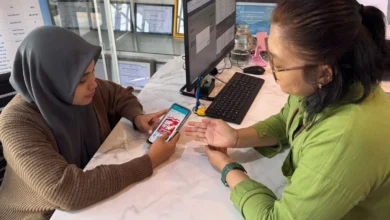
Managing civil registration documents in Indonesia has undergone a massive digital transformation, alleviating the historical burdens of long queues and bureaucratic red tape at local government offices. Among the most frequent administrative needs for growing households is updating the Kartu Keluarga (KK), the foundational family registry card required for accessing public healthcare, education, social assistance, and financial services. Thanks to modern e-government initiatives spearheaded by regional administrations and the Directorate General of Population and Civil Registration (Dukcapil) under the Ministry of Home Affairs, citizens can now process the addition of new family members entirely online. This evolution reflects a broader nationwide push toward bureaucratic efficiency, transparency, and public service modernization.
Understanding the Mechanics of Family Registry Updates
The Kartu Keluarga serves as the primary legal document detailing a household’s composition, establishing legal relationships, citizenship statuses, and individual identities under a single roof. Consequently, any dynamic shift within a family unit—most commonly the birth of a child, the legal adoption of a minor, or the integration of a relative into the household—demands a prompt update to this document.
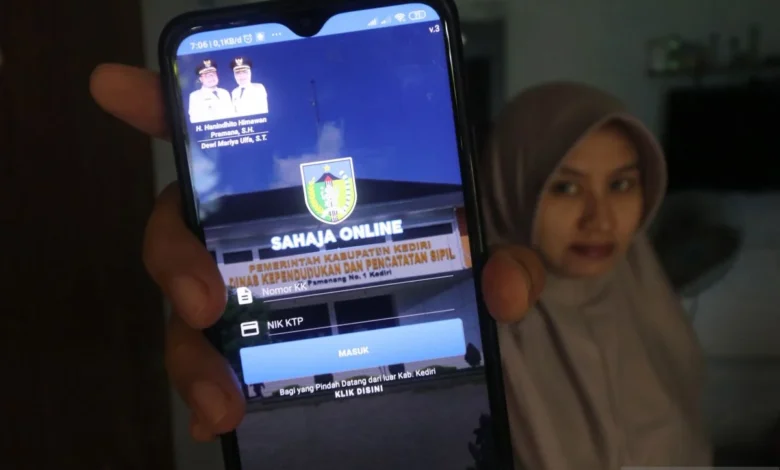
Historically, updating a KK required family heads to take a day off work, visit the local sub-district or municipal Dukcapil office physically, and navigate manual paperwork. Today, municipalities across the archipelago have developed localized web portals and dedicated mobile applications—such as Palembang’s SIDEMANG application—to digitize these workflows. Despite the availability of online channels, the procedure is not a one-size-fits-all mechanism. The required documents, administrative pathways, and verification protocols heavily depend on the underlying reason for the addition, whether the incoming individual possesses an existing Population Identification Number (NIK), and the unique technical infrastructure of the specific regional government in charge.
Categorized Requirements for Family Additions
Before initiating an online submission, applicants must carefully curate their digital documents based on the specific scenario governing their family expansion. The administrative requirements diverge significantly depending on whether the system is registering a newborn infant or absorbing an individual who already holds an established NIK.
For newborn additions, the process is intrinsically tied to the issuance of a birth certificate. Parents must typically prepare their current Kartu Keluarga, a formal birth notification letter issued by a hospital, maternity clinic, puskesmas (community health center), or licensed midwife, along with the parents’ marriage certificate or official marriage decree. Depending on the digital portal’s integration level, some regional Dukcapil offices allow citizens to simultaneously process the newborn’s birth certificate and the Child Identity Card (KIA) during the same digital submission, maximizing the efficiency of the online infrastructure.
Conversely, adding an individual who already holds an NIK—such as an elderly parent moving into an adult child’s home or a relative’s child entering a new guardianship arrangement—follows a different regulatory track. If the incoming family member is migrating from a separate household registry, the application often intersects with inter-regional relocation protocols or a formal restructuring of family members. This may necessitate submission of the individual’s previous KK, a formal certificate of relocation (Surat Keterangan Pindah) if mandated by the municipal authority, and supplementary documentation proving guardianship or familial consent. Failing to select the correct service category on the digital platform can lead to automated rejections by the verification software.
Step-by-Step Guide to Online Submission
Navigating regional e-government platforms requires meticulous attention to detail. While user interfaces vary from one regency or city to another, the overarching workflow across Indonesian municipal Dukcapil portals follows a standardized sequence.
First, citizens must access the official web portal or mobile application authorized by their local regional government. Emphasizing security, applicants must verify that they are utilizing legitimate government domains (.go.id) to protect sensitive personal identifiable information (PII) such as NIKs and full names from phishing threats.
Second, users must authenticate their identity by creating a new account or logging into an existing profile. This phase usually requires inputting a valid email address, phone number, and password, followed by a multi-factor authentication step or SMS verification code.
Third, once logged into the dashboard, the user must navigate to the civil registry services menu and explicitly select the appropriate service category—differentiating clearly between a newborn addition and a relocation-based household update.
Fourth, applicants are required to fill out digital forms mirroring physical administrative sheets. Precision is paramount; typographical errors in names, birth dates, or parentage details can halt the approval pipeline. Following data entry, users must upload scanned or photographed copies of original supporting documents. These files must meet the platform’s formatting and size restrictions, ensuring high clarity so that administrative staff can easily read the text.
Fifth, once the application is transmitted, it enters a queue for bureaucratic review. Municipal civil servants evaluate the submitted digital dossier for compliance and authenticity. If discrepancies or missing documents arise, the system typically generates a revision request or notification.
Finally, upon successful verification and approval, the updated Kartu Keluarga is processed electronically. Modernized regional offices often deliver the authenticated digital KK directly to the applicant’s registered email or make it available for download via a secure portal, complete with a digital signature and a Quick Response (QR) code replacing the traditional wet ink signature and physical stamp.
The Legal Framework of Free Public Services
A critical pillar of Indonesia’s civil administration reform is the strict enforcement of zero-cost policies for basic public document processing. Under Article 79A of Law Number 24 of 2013 concerning Population Administration, the issuance and updating of core civil registry documents—including the Kartu Keluarga, birth certificates, and identity cards—are completely free of charge.
Despite this clear legal mandate, citizens occasionally encounter predatory third-party actors or unauthorized intermediaries offering expedited services for a fee. Government officials and consumer protection advocates continuously remind the public that official channels do not charge administrative tariffs. Bypassing official channels or paying external entities not only violates public administration guidelines but also exposes households to severe data security breaches and identity theft risks.
Strategic Implications and Administrative Best Practices
The transition toward digital civil administration yields profound implications for public data accuracy and state governance in Indonesia. By decentralizing the submission process through online portals, regional governments can capture demographic shifts in near real-time, feeding accurate population metrics into national databases. This precise data collection directly influences national resource allocation, healthcare planning, infrastructural development, and the precise targeting of social safety net programs.
However, the digital divide remains a structural challenge. While urban centers like Jakarta, Tangerang, and Palembang boast sophisticated applications equipped to handle complex civil registry tasks, rural and remote regions often lag in digital infrastructure and broadband penetration. For populations in these areas, digital platforms may remain inaccessible, necessitating hybrid systems or localized physical assistance desks to ensure equitable access to basic rights.
To minimize the risk of application rejection, citizens are advised to adhere to a few essential operational hygiene practices. Foremost, applicants must double-check that all uploaded documents correspond strictly to the selected service category. Furthermore, verifying that personal data matches flawlessly across all collateral documents—such as matching birth dates and spelling on marriage certificates versus identity cards—prevents automated software flags. Finally, users must consistently monitor their account dashboards or notification channels post-submission to respond rapidly to any administrative feedback from municipal reviewers.
Ultimately, mastering the online Kartu Keluarga update process empowers Indonesian households to maintain accurate, legally compliant, and up-to-date demographic records with unprecedented convenience. As digital governance matures, citizens who leverage these modern administrative tools not only streamline their personal household management but also contribute to a more transparent, efficient, and technologically integrated national civil registry ecosystem.