Understanding and Addressing Squeaky Motorcycle Brakes: A Comprehensive Guide to Maintenance and Safety

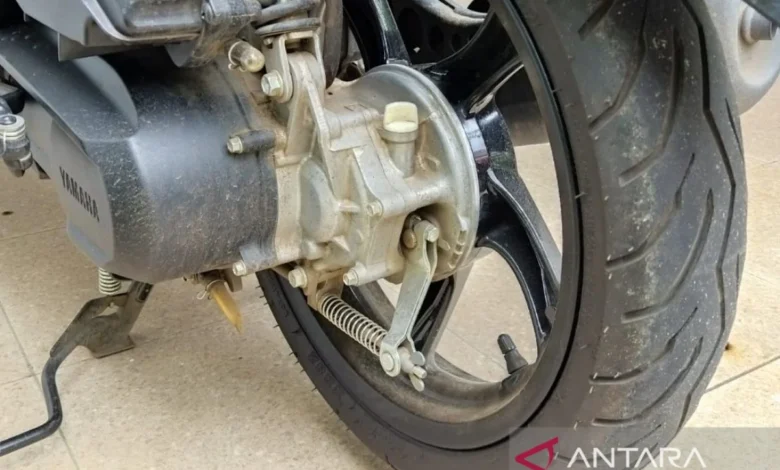
The persistent, high-pitched squeaking sound emitted during motorcycle braking is more than a mere acoustic nuisance; it serves as a critical diagnostic indicator of the health of a vehicle’s most essential safety system. Whether occurring after a heavy downpour, following a routine wash, or emerging during daily commutes, this phenomenon often signals that the braking components require professional inspection or maintenance. Given that the braking system is the primary line of defense against road accidents, ignoring these auditory warnings can lead to catastrophic mechanical failure, compromised stopping distances, and significant safety risks for the rider.
The Mechanics of Braking and Sound Genesis
At its core, a motorcycle braking system—whether disc or drum—operates on the fundamental principle of kinetic energy conversion. By forcing a friction material (the brake pad or shoe) against a rotating surface (the disc or drum), the system dissipates the bike’s momentum as heat. When this friction process is disrupted by contaminants, physical wear, or mechanical misalignment, the resulting vibration frequency often translates into the high-pitched audible squeal known as "brake squeal."
While some minor noises are considered a natural byproduct of material expansion and contraction, persistent, harsh, or grinding sounds typically indicate that the system has moved beyond its optimal operating parameters. Modern motorcycles are equipped with brake systems that are highly sensitive to environmental and maintenance variables, necessitating a proactive approach to mechanical health.
Comprehensive Catalog of Brake Noise Causes
To address the issue effectively, riders and mechanics must first identify the root cause of the noise. Based on technical specifications from major motorcycle manufacturers, the primary culprits are categorized as follows:
1. Environmental Contamination: Dust and Debris
Urban riding conditions frequently expose braking systems to road dust, fine silica, and metallic particles. These materials can lodge themselves between the brake pad and the rotor, creating an abrasive interface. When the brake is applied, these particles vibrate against the metal surfaces, producing a shrill noise. In drum brake configurations, debris accumulation within the drum housing is particularly common, often requiring a manual cleaning to restore silent, efficient operation.
2. Material Fatigue: Reaching the Wear Limit
Brake pads are consumable components engineered with a finite lifespan. As the friction material wears down, it eventually reaches the manufacturer-mandated wear limit. Most modern pads include a mechanical "wear indicator"—a small metal tab designed to scrape against the disc once the pad has thinned to a critical level. This produces a distinct, grating sound that serves as an urgent reminder to replace the pads immediately. Neglecting this warning leads to metal-on-metal contact, which destroys the rotor and drastically reduces stopping power.
3. Surface Irregularities: The Role of the Disc and Drum
A braking system relies on the perfectly flat surface of a rotor or the smooth interior of a drum to function correctly. If the rotor is warped, scored by debris, or oxidized by deep rust, the brake pad cannot achieve uniform contact. This uneven engagement results in vibration, pulsing in the brake lever, and the characteristic squeaking sound. In severe cases, heat-induced warping—often caused by excessive hard braking—requires the rotor to be machined or, if it falls below the minimum thickness specification, replaced entirely.
4. Hydro-Interference: Moisture and Oxidation
Water ingress is a frequent cause of temporary brake noise. After a heavy rainstorm or a high-pressure wash, a thin layer of flash rust can form on the surface of the steel rotor. While this oxidation is usually superficial and disappears after a few braking applications, persistent noise after the components have dried suggests that the moisture has compromised the brake fluid or that internal components are suffering from localized corrosion.
5. The Bedding-In Phase
Replacing old pads with new ones does not always result in silent operation immediately. A process known as "bedding-in" or "burnishing" is required to align the microscopic peaks and valleys of the new pad material with the existing surface of the rotor. If this process is skipped or performed incorrectly, the pads may glaze over, leading to persistent noise and reduced braking efficiency.
6. Mechanical Obstructions: Caliper and Piston Issues
The brake caliper is a complex assembly that must retract and extend with precision. Over time, brake dust and road grime can lead to the seizure of the caliper pins or the piston itself. If the caliper fails to release fully, the pad remains in constant contact with the rotor, leading to overheating, accelerated wear, and a constant, high-pitched screeching sound even when the brake lever is not engaged.
Procedural Standards for Maintenance and Remediation
Addressing these issues requires a systematic approach that prioritizes precision and safety. Maintenance should ideally follow the manufacturer’s service manual, which outlines specific torque values and lubrication points.
- Diagnostic Verification: If a squeak arises, the first step is to confirm the source. If the noise occurs only after rain, a gentle application of the brakes while moving at low speeds can help dry the surfaces. If the noise persists, a physical inspection is mandatory.
- Deep Cleaning: Using approved brake cleaner is essential. Unlike generic degreasers, specialized brake cleaners evaporate without leaving a residue, ensuring that the friction coefficient remains optimal.
- Thickness Assessment: Using a vernier caliper to measure the remaining thickness of the brake pad and the thickness of the rotor against the service limit values provided by the manufacturer is the only objective way to determine if replacement is necessary.
- Strategic Lubrication: It is a common misconception that all parts of a brake system should be lubricated. Only the metal-to-metal contact points—such as the pins and the rear of the brake pad (the backing plate)—should receive a light application of high-temperature brake grease. Under no circumstances should lubricant ever come into contact with the friction face of the pad or the surface of the rotor.
Safety Implications and When to Seek Professional Intervention
The braking system is not a component for trial-and-error experimentation. There are clear red flags that indicate a vehicle is no longer safe to operate and requires immediate intervention by a qualified technician:
- Audible Metal-on-Metal Grinding: This indicates that the friction material is entirely gone, and the structural backing plate is damaging the rotor.
- Increased Lever Travel: If the brake lever feels "spongy" or travels significantly further toward the handlebar than usual, this may indicate air in the hydraulic lines or a critical leak.
- Cyclical Pulsing: A rhythmic vibration felt through the lever or pedal suggests a warped rotor.
- Complete Loss of Feel: If the brake becomes unresponsive or the bike fails to decelerate adequately, the vehicle must be removed from traffic immediately.
Broader Impact: The Role of Preventative Servicing
The motorcycle industry has long emphasized that preventative maintenance is the most effective way to avoid these issues. Data from safety organizations suggest that a significant percentage of motorcycle accidents involving braking failure could have been prevented through regular, documented inspections.
As motorcycles become more sophisticated—incorporating Anti-lock Braking Systems (ABS) and complex hydraulic layouts—the margin for error in DIY maintenance has narrowed. ABS units, for example, are highly sensitive to contaminated brake fluid. Old, moisture-laden fluid can corrode the internal valves of the ABS module, leading to repairs that cost significantly more than the price of a timely brake fluid flush.
In conclusion, while a squeaky brake may start as an annoyance, it is a diagnostic signal that should never be ignored. By maintaining a clean braking system, respecting the wear limits of consumables, and ensuring that any maintenance is performed with the correct tools and specifications, riders can ensure that their motorcycle remains a safe and reliable mode of transportation. When in doubt, the expertise of a certified mechanic remains the most reliable path to ensuring that when you need to stop, your motorcycle responds exactly as intended.
Related posts: