Barry Keoghan Openly Admits to Non-Surgical Skin Tightening Treatment After Enduring Persistent Online Bullying and Body Shaming

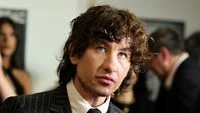
The intersection of modern aesthetic technology and public celebrity scrutiny has once again ignited global discourse, following actor Barry Keoghan’s public disclosure of his recent non-surgical skin-tightening procedures. The acclaimed Irish actor, renowned for his intense cinematic performances and distinctive screen presence, made headlines by opening up about utilizing aesthetic treatments to enhance his appearance. Beyond personal wellness, this decision directly correlates with a distressing wave of online harassment, cyberbullying, and unsolicited commentary regarding his physical appearance that the actor has faced across various digital platforms.
The disclosure brings to light a broader, more systemic conversation concerning the psychological tolls endured by public figures in the era of hyper-connectivity and uninhibited social media commentary. As cinematic icons and television stars increasingly navigate the double-edged sword of digital fame, the pressure to conform to ever-shifting beauty standards remains an unrelenting challenge. Keoghan’s journey—from experiencing severe online vitriol that forced him into temporary seclusion to reclaiming his self-confidence through targeted dermatological care—offers a revealing look at the modern realities of celebrity maintenance, mental health preservation, and the evolving landscape of non-invasive cosmetic dermatology.
The Aesthetic Procedure: Understanding XERF Technology
The treatment central to Keoghan’s recent aesthetic regimen is known as XERF, an advanced, non-invasive skin-tightening procedure developed and administered by renowned celebrity aesthetician Nilam Holmes. Unlike traditional dermatological interventions that may require lengthy recovery periods, surgical incisions, or topical anesthetic creams, the XERF system operates entirely without needles. Instead, the specialized technique utilizes advanced radiofrequency technology designed to stimulate collagen production, lift sagging tissues, and firmly contour targeted areas of the face.
During a recorded session shared widely on digital platforms by Holmes, Keoghan is observed relaxing comfortably on a treatment table while the aesthetician meticulously works on the upper contours of his face. The procedure specifically targets high-expression zones, including the cheeks, the bridge and sides of the nose, and the mandibular line, commonly referred to as the jawline. The absence of invasive elements such as scalpels or hypodermic injections makes such radiofrequency technologies increasingly popular among high-profile individuals whose demanding production schedules leave little to no room for prolonged healing periods.
Holmes, whose high-profile clientele includes notable actors and musicians such as Joe Alwyn, Chris Appleton, Rosie Huntington-Whiteley, and Nicole Scherzinger, noted that she has maintained a professional relationship with Keoghan for an extended period. According to the aesthetician, her clinic has routinely managed Keoghan’s skincare needs in preparation for major motion picture shoots, promotional press tours, and high-profile global fashion campaigns. The recorded session in question marked the actor’s second documented experience with the XERF procedure, signaling a consistent commitment to his personal grooming and dermatological maintenance.
Speaking candidly about his experience during the procedure, Keoghan expressed genuine enthusiasm for the results and the expertise of his practitioner. "I have heard so much about this treatment," Keoghan stated during the recorded session. "Nilam is extremely passionate about this treatment, and she is truly an expert in her field." He further elaborated on the psychological benefits of the procedure, noting how physical maintenance intersects directly with internal emotional well-being. "I feel much better about myself. My appearance is enhanced, and I believe it is fundamentally important to care for oneself, both from the inside and the external perspective."
The Chronology of Public Scrutiny and Social Media Harassment
The revelation regarding Keoghan’s aesthetic treatments did not occur in a vacuum; rather, it represents the latest chapter in an ongoing struggle with aggressive digital commentary that intensified significantly over the preceding months. The roots of this public ordeal trace back to a vulnerable admission made by the actor during an appearance on the SiriusXM radio broadcast The Morning Mash Up. During the interview, Keoghan detailed the deeply painful nature of online vitriol and explained how the relentless wave of negative remarks about his facial features and general appearance fundamentally altered his day-to-day lifestyle.
The actor confessed that the severity of the online abuse compelled him to retreat entirely from public life, choosing a path of self-imposed isolation. "There is an overwhelming amount of animosity present in the digital world," Keoghan reflected during the radio broadcast. "The sheer volume of malicious commentary directed explicitly toward my physical appearance reached levels that were difficult to process." He acknowledged that while public figures generally understand that scrutiny accompanies fame, the modern scale of digital harassment has transcended normal boundaries. "It has crossed the line. Naturally, one might argue that everyone in the public eye experiences a degree of criticism, but this particular wave forced me to become intensely reclusive."
This enforced retreat manifested in tangible lifestyle changes. Keoghan admitted that the psychological weight of the online commentary hindered his ability to engage normally with his professional and social obligations. He actively avoided public gatherings, declined invitations to industry events, and frequently found himself reluctant to leave the safety of his private residence. "It created a substantial problem for my daily routine," he explained. "I found myself actively avoiding specific locations and social environments purely out of a desire to shield myself from potential encounters or the lingering anxiety of being scrutinized."
The timing of his recent disclosure regarding the XERF skin-tightening treatments, arriving approximately half a year after his public outcry against cyberbullying, highlights a proactive narrative reclamation. By openly discussing both his vulnerability to online hate and his deliberate steps toward self-care, Keoghan has strategically shifted the conversation from one defined by victimization to one characterized by personal agency, resilience, and unapologetic self-improvement.
The Broader Context of Celebrity Mental Health and Cosmetic Intervention
Barry Keoghan’s public journey touches upon several critical contemporary socio-cultural phenomena, notably the shifting perceptions surrounding male cosmetic procedures and the relentless psychological pressures imposed by social media culture. Historically, cosmetic enhancements and dermatological procedures were subjects heavily shrouded in secrecy, particularly among male actors who feared professional alienation or the loss of rugged authenticity. However, the destigmatization of male grooming, skincare, and non-surgical aesthetic interventions has accelerated rapidly over the past decade.
Modern high-definition digital cameras, 4K television screens, and perpetual social media documentation subject performers to microscopic levels of visual inspection. Every natural sign of aging, fatigue, or temporary physical fluctuation is routinely captured, magnified, archived, and subjected to unsparing commentary across global digital networks. In this high-stakes visual environment, turning to advanced dermatological solutions like non-invasive radiofrequency skin tightening is increasingly viewed not as an act of vanity, but as a practical tool for professional self-preservation and mental health management.
Psychological researchers who study the impact of cyberbullying on public figures frequently emphasize that relentless negative feedback can induce symptoms akin to social anxiety, body dysmorphia, and clinical depression. When an individual’s physical form is commodified by the entertainment industry and simultaneously ridiculed by anonymous internet users, the psychological dissonance can be profoundly destabilizing. For Keoghan, investing time and resources into his physical well-being through trusted aesthetic professionals serves as a tangible mechanism to regain control over his own narrative and physical vessel.
Furthermore, the willingness of high-profile actors to speak transparently about undergoing aesthetic procedures marks a significant departure from past industry norms of absolute secrecy. By partnering with established practitioners like Nilam Holmes and openly discussing the integration of skin-tightening technology into his routine, Keoghan normalizes the concept that men, too, are permitted to actively manage their aging process and seek aesthetic improvements without fear of public ridicule or professional penalty.
Industry Implications and Future Outlook
The convergence of Barry Keoghan’s high-profile career, his candid admissions regarding cyberbullying, and his embrace of advanced non-surgical treatments carries significant implications for both the entertainment industry and the aesthetic medicine market. From a commercial standpoint, celebrity endorsements of non-invasive technologies like XERF inevitably drive consumer awareness and market demand. Aesthetic clinics globally frequently experience surges in inquiries following public disclosures by prominent figures who credit specific treatments for maintaining their on-screen vitality.
Professionally, Keoghan continues to cement his status as one of the most compelling and resilient actors of his generation. Despite the emotional toll exacted by digital harassment, his commitment to his craft remains unwavering, with upcoming film projects and creative collaborations continually slated for global release. The ability to compartmentalize online adversity while actively pursuing both mental and physical wellness underscores a maturation of his public persona.
As digital platforms continue to grapple with the pervasive challenge of online harassment, stories such as Keoghan’s serve as vital reminders of the human cost behind the screens. They highlight the urgent necessity for more compassionate digital discourse while simultaneously validating the personal choices individuals make to reclaim their confidence, protect their mental health, and present themselves to the world on their own terms. Through transparency, resilience, and modern dermatological care, Barry Keoghan demonstrates that reclaiming one’s narrative is an ongoing, empowering process that transcends both the silver screen and the digital domain.