
The Provincial Government of Jakarta has officially announced the Provincial Minimum Wage (UMP) for the year 2027, setting the new figure at IDR 6,136,941 per month. This adjustment represents a 7.1 percent increase compared to the previous year, translating to a nominal rise of IDR 407,065. The announcement, delivered on Friday, November 20, 2026, marks a pivotal moment for the capital’s labor market, balancing the aspirations of the workforce for improved purchasing power against the economic realities faced by the business sector in an increasingly competitive urban environment.
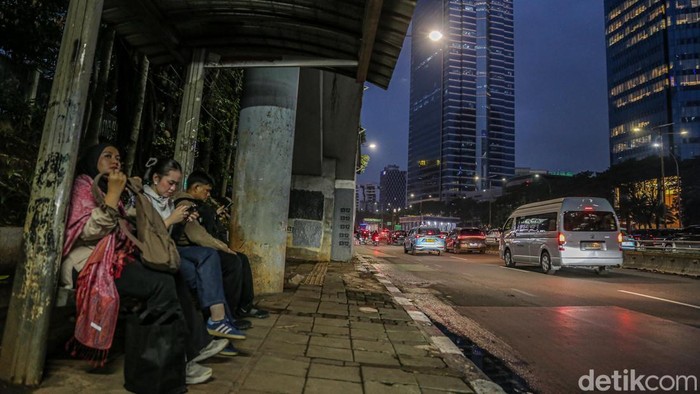
As the news broke on a busy Friday evening, the atmosphere in major business hubs such as Kuningan, South Jakarta, remained characteristically vibrant. Commuters, office workers, and informal sector participants continued their routines, navigating the city’s heavy traffic, unaware perhaps of the long-term fiscal ripple effects that this policy shift might trigger in the coming months.

Contextualizing the Wage Adjustment
The decision to increase the UMP by 7.1 percent is not merely a numerical exercise but a culmination of complex tripartite negotiations between the regional government, labor unions, and the Indonesian Employers Association (APINDO). In the current macroeconomic climate of 2026, the provincial government has been under significant pressure to address the rising cost of living in Jakarta, particularly regarding housing, transportation, and basic food commodities.
Historically, the Jakarta UMP has been a benchmark for national labor standards. For the 2027 cycle, the administration utilized a revised formula that incorporates regional economic growth projections, inflation rates, and the specific cost of living indices unique to the Jakarta metropolitan area. By reaching the IDR 6.13 million threshold, the government aims to provide a safety net for entry-level workers while maintaining the city’s attractiveness as a hub for investment and corporate headquarters.
Chronology of the Policy Formulation
The process leading to the November 20 announcement followed a structured timeline established earlier in the year. Throughout the third quarter of 2026, the Jakarta Wage Council (Dewan Pengupahan) held a series of intense consultations.

- Early September 2026: Initial meetings were held to discuss the macro-economic outlook, where labor representatives advocated for a double-digit percentage increase, citing high inflation rates in urban services.
- Mid-October 2026: Employers’ representatives expressed reservations about high labor costs, emphasizing the potential for business contraction and the transition toward automation if wage growth outpaced productivity gains.
- Early November 2026: The Jakarta Provincial Government reviewed various scenarios, eventually settling on the 7.1 percent figure as a "middle-ground" compromise intended to preserve business continuity while providing tangible relief to employees.
- November 20, 2026: The Governor of Jakarta officially ratified the decree, setting the stage for implementation starting January 1, 2027.
Supporting Data and Economic Indicators
To understand the magnitude of this increase, one must consider the historical trajectory of the Jakarta UMP. Over the past five years, the wage has seen incremental growth, though it has often been a point of contention. The 7.1 percent hike is significantly higher than the average global wage growth for the region in 2026, reflecting Jakarta’s unique status as a high-cost metropolitan area.
Current economic data indicates that the Jakarta labor force is increasingly dominated by the services sector, particularly in finance, technology, and retail. With the new UMP, the base cost of labor for these industries will inevitably rise. Economists suggest that while this increase supports consumption-led growth—as workers spend their higher earnings back into the local economy—it also places a strain on Small and Medium-sized Enterprises (SMEs) that operate on thinner margins.
The data suggests that for every 1 percent increase in the UMP, the impact on labor-intensive industries like textile manufacturing or retail services can be substantial. Businesses are expected to undergo structural adjustments, potentially leading to increased reliance on digital tools to streamline operations and mitigate the higher payroll costs.
Perspectives from the Labor and Business Sectors
The response to the announcement has been mixed. Labor union leaders have characterized the 7.1 percent increase as a "cautious victory." While they acknowledge the increase, many argue that it barely keeps pace with the actual rise in the cost of essential services in Jakarta. "While we appreciate the government’s move, we must remain vigilant regarding the potential for price hikes in the private sector that could neutralize these gains," a spokesperson for a major labor coalition stated.
Conversely, the business community, represented by various trade associations, has called for a period of adjustment. Many firms have expressed concerns about the timing of the increase, noting that it coincides with a period of global economic volatility. APINDO members have emphasized that their primary concern is not the wage level itself, but the overall ease of doing business and the need for the government to support programs that enhance labor productivity alongside wage hikes.
The Informal Sector Divide
A critical aspect of the Jakarta labor market that the UMP announcement highlights is the divide between the formal and informal sectors. While the UMP is legally binding for formal employment contracts, it does not directly apply to the vast segment of the informal workforce, such as ride-hailing drivers, street food vendors, and freelance day laborers.
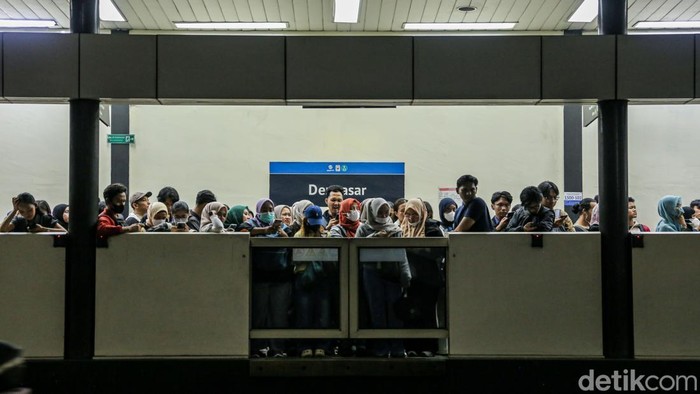
In the bustling streets of Jakarta, thousands of gig workers contribute to the city’s productivity. For these individuals, the rise in the UMP does not guarantee an automatic increase in earnings. Instead, they are subject to the fluctuating demands of the market and platform-based algorithms. As the cost of living rises across the board, these informal workers often find themselves in a precarious position, as they are not protected by the legal safeguards of a minimum wage, yet they face the same inflationary pressures as their formal counterparts.
Implications for the Future of Jakarta’s Economy
The 2027 UMP adjustment serves as a barometer for Jakarta’s future economic strategy. As the city continues to transition toward a service-oriented economy, the reliance on low-wage labor is slowly being replaced by a need for a more skilled, tech-literate workforce.
- Productivity Linkage: Future wage negotiations will likely be tied more closely to productivity metrics. The government is expected to introduce incentives for companies that invest in human capital development, allowing workers to command higher wages through skill acquisition rather than just administrative adjustments.
- Cost of Living Management: The provincial government faces the challenge of managing the supply-side of the economy. If the UMP increase triggers cost-push inflation, the government will need to intervene by stabilizing the prices of basic necessities, potentially through improved logistics and supply chain management.
- Formalization of Labor: The gap between the formal and informal sectors remains a major policy hurdle. Future administrations will likely need to explore social protection schemes that extend beyond the formal employment contract, ensuring that the benefits of economic growth reach a wider demographic of the city’s residents.
Long-term Economic Sustainability
As the city enters 2027, the focus will shift from the debate over the UMP figure to the implementation of the policy. The success of this increase will be measured not by the nominal amount, but by the impact on real disposable income and the ability of businesses to sustain operations.

The Jakarta administration has indicated that it will monitor the economic impact of the new wage policy through quarterly reviews. This proactive approach aims to identify potential business disruptions early and provide support where necessary, ensuring that the capital remains a resilient and competitive economic center.
In conclusion, the establishment of the 2027 UMP at IDR 6,136,941 reflects a delicate balancing act. It is a testament to the ongoing evolution of Jakarta’s labor landscape—a city that continues to grapple with the demands of modern economic growth, the needs of a diverse and hardworking population, and the necessity of maintaining a stable environment for both workers and investors. As the year progresses, the resilience of the Jakarta economy will be tested, and the effectiveness of this wage policy will be a central pillar in the broader narrative of the city’s economic development.