Trick or Treat: The Fascinating History and Evolution of the Halloween Candy Tradition

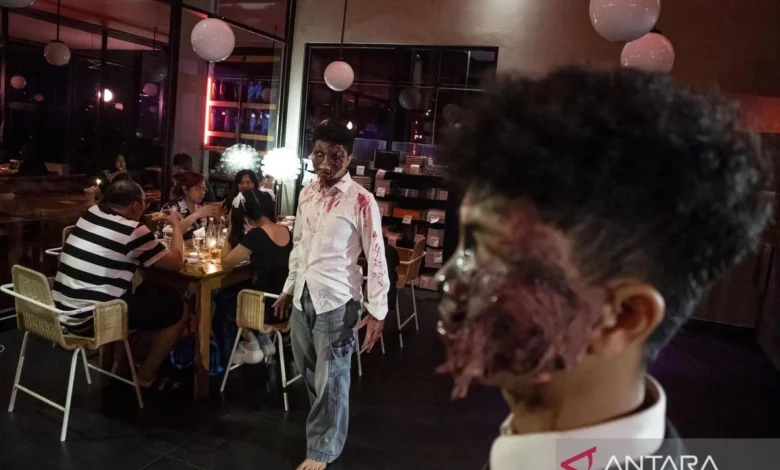
As autumn leaves carpet the streets and the air turns crisp in late October, children across the globe don elaborate costumes to engage in the time-honored ritual of "trick or treat." While the sight of costumed youths canvassing neighborhoods for sweets has become a cornerstone of modern pop culture, the origins of this practice are deeply rooted in ancient customs, social negotiation, and the shifting economic landscapes of the 20th century. To understand why this tradition persists, one must look beyond the candy bowl and into the centuries of history that shaped the night of October 31.
The Ancient Roots: From Samhain to All Hallows Eve
The conceptual precursor to Halloween is the ancient Celtic festival of Samhain, celebrated roughly 2,000 years ago in what is now Ireland, the United Kingdom, and northern France. Samhain marked the end of the harvest season and the beginning of the new year, a time when the boundary between the living and the dead was believed to blur. During this period, the Celts would light massive bonfires and wear costumes—typically consisting of animal heads and skins—to ward off roaming spirits.
By the 8th century, Pope Gregory III designated November 1 as a time to honor all saints, known as All Saints Day. The evening before, October 31, became known as All Hallows Eve, and eventually, Halloween. The transition from a spiritual observation to a community event gained momentum in the 16th century with a practice known as "guising" in Scotland and Ireland. Young people would disguise themselves and travel from house to house, performing songs, reciting poetry, or telling jokes in exchange for food, wine, or money. This was often tied to "souling," where the poor would visit the homes of the wealthy to pray for the souls of the deceased in exchange for "soul cakes."
The Migration of Custom to the New World
As waves of Scottish and Irish immigrants migrated to North America in the mid-19th century, they brought these traditions with them. However, in the American context, the custom began to evolve. By the early 20th century, Halloween had transformed into a night often associated with elaborate pranks.
During the 1920s and 1930s, the "trick" in "trick or treat" was far more literal than it is today. Vandalism, the tipping of outhouses, the dismantling of farm gates, and the destruction of public property became increasingly problematic. As the Great Depression took hold, the intensity of these pranks escalated, leading to calls from community leaders, parents, and law enforcement to find a way to redirect this youthful energy.
The "treat" was essentially a form of bribery. By offering children small snacks or sweets, homeowners could effectively purchase immunity from the destructive pranks that plagued their properties. This social contract evolved into the structured activity we recognize today, gaining widespread popularity in the United States by the late 1940s and early 1950s, following the conclusion of World War II.
The Post-War Boom and the Commercialization of Candy
The transition of Halloween into a major commercial event is inextricably linked to the mid-20th-century economic climate. During World War II, sugar rationing significantly curtailed the ability of households to distribute candy, leading to a temporary decline in the practice. However, once sugar rationing ended in 1947, the confectionery industry saw an unprecedented opportunity.
By the 1950s, the candy industry began to actively market small, individually wrapped sweets as the perfect solution for the "trick or treat" crowds. This era marked the birth of the modern Halloween confectionery market. Companies realized that by creating specialized packaging and seasonal branding, they could turn a one-night event into a multi-billion dollar industry.
Data from the National Confectioners Association and various economic reports indicate that Halloween has since become one of the most profitable periods for the industry. In 2009, a pivotal year for the industry, sales reached new heights, cementing Halloween as the primary driver for seasonal confectionery growth in the United States. Today, consumers spend upwards of $3 billion annually on Halloween-related candy, a figure that highlights the deep integration of consumerism into traditional festivities.
The Cultural Significance of Candy Selection
Not all sweets are created equal in the eyes of a trick-or-treater. The hierarchy of Halloween candy has been a subject of sociological interest for decades. The "Candy Corn"—a tri-colored, wax-based treat—remains a staple of the season, representing the transition of the autumn harvest. While it often polarizes opinion, its presence is a testament to the longevity of agricultural symbolism in modern retail.
The rise of chocolate, particularly miniature bars, shifted the industry in the post-war era. Chocolate provided a higher perceived value than hard candies or popcorn balls, which were common early in the 20th century. As the market became more saturated, companies began introducing seasonal variety packs, further standardizing the "treat" component of the ritual.
Implications for Modern Society
The tradition of "trick or treat" serves as a rare example of a community-wide social interaction between neighbors who might otherwise remain strangers. It facilitates a momentary breakdown of social barriers, encouraging a level of trust between homeowners and local youth.
However, the practice has not been without its challenges. Concerns regarding safety, food allergies, and the potential for tampering have led to modern adaptations. Many communities now host "Trunk or Treat" events in school or church parking lots, providing a controlled environment for children to collect candy. This shift reflects broader societal trends toward safety and organized community engagement, even while maintaining the core spirit of the ancient tradition.
Furthermore, the environmental impact of the holiday has come under scrutiny in recent years. With billions of single-use plastic wrappers being discarded annually, environmental groups have increasingly called for more sustainable packaging solutions. Some manufacturers have begun to respond, though the scale of the holiday makes systemic change a slow process.
A Legacy Sustained
The evolution of Halloween from an ancient Celtic fire festival to a massive global retail event is a study in cultural adaptation. What began as a solemn observation of the harvest and the afterlife was reinterpreted through the lens of immigrant folklore, transformed by the necessities of urban order, and finally amplified by the marketing genius of the mid-20th century.
Despite the modernization of the holiday, the fundamental human desire for community engagement and the celebration of the "spooky" remains constant. Whether it is through the lens of a child in a costume or the ledger of a candy manufacturer, the tradition of "trick or treat" remains a powerful bridge between our ancestors’ fears and our modern celebrations.
As society continues to evolve, so too will the ways in which we mark the end of October. However, as long as the tradition of sharing remains at the heart of the night, the legacy of the harvest festival will continue to endure. The "trick or treat" phenomenon is, ultimately, a reminder of the power of community, the influence of commercial ingenuity, and our enduring fascination with the mysterious and the macabre.