Pertamina Patra Niaga Implements Odd-Even License Plate Policy at South Sulawesi Gas Stations to Combat Severe Fuel Queues

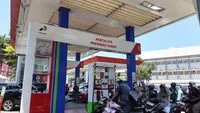
The distribution of subsidized and non-subsidized fuel in South Sulawesi has entered a new regulatory phase as PT Pertamina Patra Niaga officially enforces an odd-even license plate restriction system at all public fueling stations, commonly known as Stasiun Pengisian Bahan Bakar Umum (SPBU), across the region. This decisive operational shift was formally initiated to alleviate crippling, multi-kilometer vehicle queues that have plagued roadways and disrupted local traffic mobility over the preceding several days. The sudden surge in fuel demand, coupled with persistent supply chain bottlenecks and localized panic buying, forced both regional governmental authorities and state energy executives to implement emergency demand-management protocols.
According to official corporate statements released by regional management, the odd-even policy commenced on Sunday, September 13, 2026. Under this newly instituted framework, vehicle owners are restricted from purchasing fuel unless their license plate digits align with the designated calendar date. On odd-numbered calendar days, vehicles bearing license plates ending in an odd number are permitted to refuel at any operational SPBU within the South Sulawesi jurisdiction. Conversely, vehicles with even-numbered plates are scheduled to purchase fuel on even-numbered calendar dates, such as Monday, September 14, 2026. This rotational system is designed to mathematically halve the daily volume of vehicles seeking immediate fuel access, thereby reducing station congestion and restoring order to the distribution network.
Chronology of the Fuel Crisis and Governmental Intervention
The roots of the South Sulawesi fuel crisis trace back to a compounding series of supply irregularities and escalating consumer anxiety that intensified sharply during the second week of September 2026. Motorists across Makassar and surrounding regencies reported spending hours idling in massive queues stretching from station forecourts onto major thoroughfares. These traffic bottlenecks not only crippled daily commuter transit but also severely hampered commercial logistics, public transportation schedules, and emergency vehicle response times.
As public frustration mounted and local media outlets began documenting widespread fuel shortages, the Provincial Government of South Sulawesi intervened directly. The administration recognized that voluntary appeals for calm were insufficient to stem the crisis and that structural interventions were urgently required to regulate consumption patterns. Consequently, the provincial energy office formally escalated the matter to corporate leadership at the state-owned energy enterprise.
The regulatory roadmap for resolving the crisis was formalized through an official directive issued by the Energy and Mineral Resources (ESDM) Office of South Sulawesi. The directive, outlined in official correspondence numbered 670/2478/DESDM and dated September 12, 2026, was transmitted directly to the Executive General Manager of Regional Sulawesi for PT Pertamina Patra Niaga. The document detailed a comprehensive set of mandatory operational adjustments intended to stabilize the regional fuel supply chain within a compressed timeframe.
Multi-Layered Mitigation Strategies Beyond the Odd-Even System
While the odd-even license plate policy serves as the primary public-facing mechanism for reducing congestion, the South Sulawesi ESDM directive mandated a broader suite of synchronized interventions to target specific high-consumption sectors. Among these supplementary measures, commercial freight transport and heavy-duty logistics vehicles face stringent scheduling constraints. Under the new guidelines, cargo trucks and large commercial haulers are restricted to refueling exclusively during nighttime hours. This targeted rescheduling effectively removes massive, high-capacity fuel consumers from daytime traffic and station queues, freeing up daytime operational capacity for private passenger vehicles and public transport fleets.
Furthermore, the provincial administration introduced strict consumption thresholds for private vehicle owners seeking access to subsidized fuel products. According to the directive, passenger vehicles are prohibited from purchasing subsidized fuel unless the vehicle’s onboard dashboard indicator or odometer fuel gauge clearly registers at or below the one-bar threshold. This specific restriction is designed to eliminate the speculative hoarding behavior and repeated top-up cycles characteristic of panic buying. By ensuring that motorists only refuel when their tanks are genuinely depleted, regulatory bodies aim to flatten artificial demand spikes and stretch available inventory reserves across a broader base of legitimate consumers.
Operational Accountability and Enforcement Mechanisms
To guarantee compliance and eliminate operational bottlenecks at the retail level, the South Sulawesi ESDM directive placed strict performance obligations on SPBU operators and franchise owners. Provincial authorities instructed PT Pertamina Patra Niaga to conduct rigorous audits of station staffing levels, mandating that every individual fuel nozzle must be continuously manned by active station operators during operational hours to maximize dispensing speed and minimize vehicle turnaround times.
The regional government adopted a zero-tolerance policy toward operational negligence or non-compliance among station managers. SPBU outlets that fail to maintain adequate staffing, violate scheduling protocols, or permit irregular fueling practices face immediate administrative sanctions. In cases of severe or repeated non-compliance, the provincial directive empowers Pertamina to temporarily seize operational control of defaulting stations and initiate comprehensive reviews of their business operating licenses. Plt Head of the South Sulawesi ESDM Office, Kasman, emphasized the gravity of these measures, stating that decisive regulatory oversight is non-negotiable when managing strategic national energy commodities during periods of localized supply stress.
Corporate Communication and Public Appeal
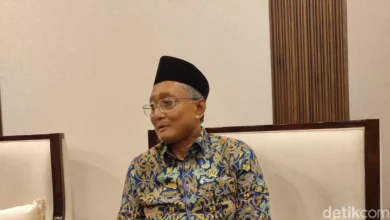
In response to the provincial directive, corporate representatives from Pertamina Patra Niaga moved swiftly to implement the mandated policies while appealing directly to the civilian population for cooperation. Community Relation Pertamina Patra Niaga Regional Sulawesi, Okky Aditya, confirmed the rollout of the odd-even schedule to media outlets, underscoring the necessity of a phased implementation approach.
"Iya sudah diberlakukan," Okky confirmed to journalists, validating the immediate commencement of the odd-even system on Sunday, September 13, 2026, with odd-numbered plates. He noted that the transition to even-numbered plates would seamlessly follow on Monday, September 14, 2026.
Pertamina emphasized that the ultimate success of these emergency measures depends heavily on voluntary civic compliance and community solidarity. Corporate communications have continually urged citizens to adopt a measured approach to energy consumption, advising motorists to purchase fuel strictly in accordance with their immediate driving needs and legitimate vehicular perusals. Officials stressed that refraining from excessive purchasing and rejecting alarmist rumors are critical steps toward reestablishing structural equilibrium across the regional distribution network.
Economic Implications and Broader Energy Security Analysis
The implementation of emergency distribution controls in South Sulawesi highlights the delicate balance required to manage subsidized energy allocations within Indonesia’s vast archipelagic economy. Subsidized fuels, such as subsidized diesel and specific gasoline variants, represent a significant fiscal burden on the national budget while serving as a vital economic lifeline for millions of working-class citizens, small business operators, and public transport providers.
When distribution networks experience localized disruptions—whether driven by maritime logistical delays, maintenance downtime at primary refining facilities, or sudden behavioral shifts in consumer demand—the immediate societal impact is profound. The emergency measures enacted in South Sulawesi serve as a case study in modern energy crisis management, demonstrating how regional governments and state-owned enterprises can collaborate to deploy tactical demand-suppression tools.
From an analytical perspective, the odd-even system and nighttime truck scheduling successfully convert a chaotic, first-come-first-served crisis into a structured, mathematically regulated allocation process. While these restrictions inevitably impose temporary inconveniences on individual motorists, preliminary field reports indicate that they successfully restore predictability to station forecourts, reduce idle fuel consumption caused by prolonged traffic stagnation, and ensure equitable access to scarce energy resources. Moving forward, regional energy stakeholders will closely monitor inventory recovery rates and consumer compliance metrics to determine when normal, unrestricted retail operations can safely resume across South Sulawesi.
Related posts: