Wabah gangguan pencernaan melanda kapal pesiar Caribbean Princess saat berlayar di Laut Karibia

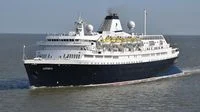
A significant gastrointestinal outbreak has been reported aboard the Caribbean Princess, a major cruise vessel currently navigating the Caribbean Sea, leaving 148 people afflicted with severe symptoms. The incident, which has prompted immediate intervention from health authorities and the cruise operator, highlights the persistent challenges of managing infectious disease outbreaks within the enclosed, high-density environments of modern cruise ships. According to the United States Centers for Disease Control and Prevention (CDC), the outbreak involves both passengers and crew members, casting a shadow over what was intended to be a routine 12-night voyage.
Breakdown of the Current Situation
The Caribbean Princess, operated by Princess Cruises, is currently in the midst of a journey scheduled to conclude in Fort Lauderdale, Florida, on November 23. Data released by the CDC indicates that 134 passengers and 14 crew members have exhibited symptoms consistent with gastrointestinal distress, primarily manifesting as persistent vomiting and acute diarrhea.
To put the scale of the outbreak into perspective, the affected individuals represent approximately 4.6 percent of the total 2,936 passengers on board and 1.2 percent of the 1,132 crew members. While the percentage of those ill remains relatively low compared to the total population of the ship, the rapid transmission rate within a confined environment has triggered standard public health protocols designed to contain the spread of infectious agents.
Chronology of the Outbreak
The timeline of the current health crisis began to unfold earlier this month as the vessel navigated Caribbean waters. Official notification was provided to health authorities on Sunday, November 15. This alert came exactly one day after the ship docked in Oranjestad, the capital of Aruba, a constituent country of the Kingdom of the Netherlands.
Following the initial detection of the symptoms among a cluster of individuals, the ship’s medical team initiated rigorous containment procedures. This included the immediate isolation of symptomatic passengers and crew to prevent further transmission. Furthermore, the ship’s medical staff began the process of collecting stool samples from affected individuals. These samples are crucial for diagnostic testing, which will eventually be used to confirm the causative agent behind the sudden surge in illnesses.
The Role of Norovirus and Environmental Risks
While formal laboratory results are still pending, the CDC and independent epidemiologists strongly suspect norovirus as the primary culprit. Norovirus is a highly contagious virus that causes inflammation of the stomach or intestines. It is notoriously difficult to eradicate in maritime environments due to its high resistance to common disinfectants and its ability to persist on surfaces for extended periods.
Research from the University of Minnesota, published earlier this month, underscores that norovirus has been the predominant cause of gastrointestinal outbreaks on cruise ships for the past 57 years. The nature of cruise ship travel—where thousands of individuals share dining facilities, recreational spaces, and ventilation systems—creates an ideal environment for the fecal-oral route of transmission. Contaminated food and water, coupled with surface contact, remain the most common vectors for the spread of the pathogen.
Official Response and Containment Strategies
Princess Cruises has issued a formal statement affirming that their onboard teams are responding with urgency. The company emphasized that they have implemented "enhanced sanitation protocols" throughout the vessel. These measures include deep-cleaning and disinfection of common areas, cabins, and high-touch surfaces, as well as modifications to food service delivery to minimize shared contact.
"While the vast majority of our guests remain unaffected, we are monitoring the situation closely and working in accordance with CDC guidelines," a spokesperson for Princess Cruises stated in a press release provided to media outlets. The company’s response team is in constant communication with the CDC’s Vessel Sanitation Program (VSP), which provides oversight and guidance for ships entering U.S. ports.
The VSP mandate requires that when a specific threshold of illness is met—typically 2 percent of passengers or crew—the vessel must report the incident to the CDC before arriving at a U.S. port. This allows the agency to prepare for potential disembarkation procedures and ensures that necessary medical resources are available upon arrival.
Broader Implications for the Cruise Industry
This incident is not an isolated case for the Princess Cruises brand. In July, the Ruby Princess—another vessel within the company’s fleet—faced a similar health crisis when more than 120 individuals fell ill during a voyage to Alaska and Canada. These recurring outbreaks present significant logistical and reputational challenges for the cruise industry, which has only recently fully recovered from the operational disruptions caused by the global pandemic.
The economic implications of such outbreaks are significant. Beyond the immediate costs of medical care, isolation protocols, and sanitation, there is the potential for itinerary disruptions, negative public perception, and increased regulatory scrutiny. Cruise lines are now under more pressure than ever to demonstrate that their health and safety protocols are not just reactive, but proactive.
Public health experts argue that while the cruise industry has made strides in hygiene technology—such as the installation of advanced air filtration systems and automated hand-sanitizing stations—the fundamental challenge of managing human behavior in a social setting remains. Passengers are frequently reminded by the CDC to prioritize frequent handwashing with soap and water, as alcohol-based sanitizers are notably less effective against norovirus. Additionally, maintaining adequate hydration and ensuring sufficient rest are emphasized as core strategies for supporting the immune system during long-distance travel.
Public Health Recommendations and Preventive Measures
For passengers currently on board or planning future cruises, the advice from health authorities remains consistent. The CDC suggests that travelers:
- Maintain rigorous hand hygiene: Washing hands thoroughly with soap and water for at least 20 seconds, especially after using the restroom and before eating.
- Utilize shipboard resources: Reporting any symptoms, no matter how mild, to the medical center immediately.
- Prioritize wellness: Ensuring the body is well-rested and hydrated to mitigate the impact of any potential infection.
The situation aboard the Caribbean Princess serves as a stark reminder that despite modern medical advancements, infectious diseases remain an inherent risk in international travel. As the vessel makes its final approach toward Florida, health officials will likely conduct a thorough inspection to ensure that the sanitation protocols have been effectively implemented and that the outbreak has been brought under control.
For the cruise industry, the path forward involves a delicate balance between providing a luxury travel experience and maintaining the highest standards of public health. As investigations into the specific transmission source of this outbreak continue, the data gathered will undoubtedly inform future policy updates for the cruise sector, potentially leading to even more stringent sanitization requirements and medical reporting standards.
In the coming days, the focus will remain on the recovery of the affected passengers and the safe conclusion of the voyage. The incident will likely be documented in the CDC’s official database, adding to the growing body of knowledge regarding disease transmission in maritime environments and reinforcing the importance of transparency and rapid response in protecting global public health.