Bantuan Subsidi Upah 2026: A Comprehensive Guide for Workers on Eligibility and Disbursement Procedures

The Indonesian government has officially initiated preparations for the 2026 Wage Subsidy Assistance (BSU) program, a strategic social safety net designed to bolster the purchasing power of the national workforce. Under the framework established by the Minister of Manpower Regulation (Permenaker) Number 16 of 2026, eligible employees are slated to receive a total assistance package of Rp900,000. This disbursement is structured as a three-month accumulation—covering October, November, and December 2026—at a rate of Rp300,000 per month. The program represents a targeted fiscal intervention aimed at mitigating the economic pressures faced by low-to-middle-income earners, particularly in the face of fluctuating inflation and domestic economic shifts.
Program Context and Policy Rationale
The BSU program is not a new policy instrument in Indonesia; it emerged as a critical pillar of the government’s pandemic-era recovery strategy and has since been adapted as a responsive tool for socio-economic stabilization. By providing direct financial assistance to formal-sector workers, the government aims to stimulate consumer spending and maintain the stability of the industrial workforce.
Economists note that while the amount of Rp900,000 may appear modest, for millions of workers earning up to the threshold of Rp3.5 million per month, it serves as a vital buffer for essential expenditures. The Ministry of Manpower has emphasized that this initiative is contingent upon strict data verification protocols, ensuring that funds reach those most in need while minimizing leakage in the disbursement process.
Eligibility Criteria and Mandatory Requirements
Participation in the BSU 2026 program is not automatic, even for those enrolled in the social security system. To qualify, workers must strictly meet a set of established benchmarks:
- Nationality and Documentation: Applicants must be Indonesian citizens holding a valid Resident Identity Number (NIK).
- Social Security Compliance: Candidates must be active participants in the BPJS Ketenagakerjaan (Employment Social Security Agency) under the Wage Earner (PU) category, with active status verified as of August 2026.
- Income Thresholds: The program targets workers earning a maximum of Rp3.5 million per month. However, in regions where the legally mandated minimum wage exceeds this figure, the minimum wage of that specific region becomes the qualifying threshold.
- Exclusionary Criteria: The program is explicitly designed to support the private sector workforce. Consequently, State Civil Apparatus (ASN), members of the Indonesian National Armed Forces (TNI), and the Indonesian National Police (Polri) are ineligible for the subsidy.
- Program Harmonization: To ensure equitable distribution of social assistance, priority is given to individuals who are not currently recipients of other government support schemes, such as the Family Hope Program (PKH), to avoid redundancy in social welfare coverage.
Disbursement Mechanism: The Role of Himbara and PT Pos
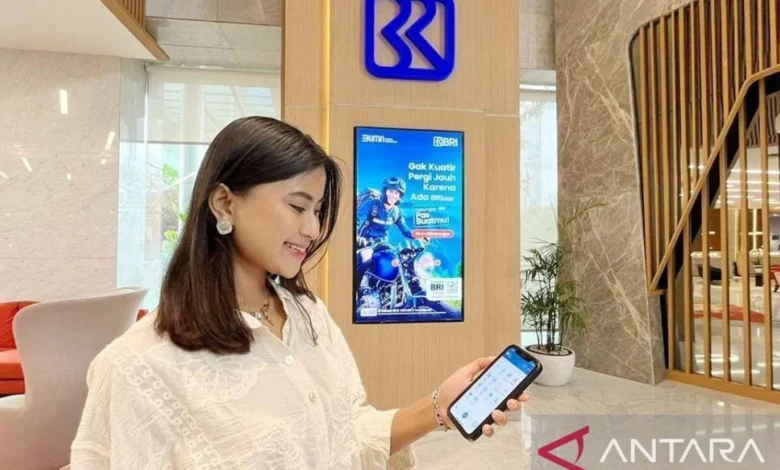
The government has streamlined the distribution process by utilizing the state-owned banking network (Himbara)—comprising Bank Rakyat Indonesia (BRI), Bank Negara Indonesia (BNI), Bank Mandiri, Bank Tabungan Negara (BTN), and Bank Syariah Indonesia (BSI)—alongside the national postal service, PT Pos Indonesia.
The choice of these institutions is strategic, as they maintain the widest reach across the archipelago, ensuring that even workers in remote regions have access to physical branches for verification and withdrawal. The Ministry of Manpower has cautioned that while the administrative process is currently ongoing at the Ministry of Finance, the actual distribution will occur in a staggered, systematic fashion throughout November and December 2026. This staggered approach is intended to prevent overcrowding at bank branches and ATM centers, which is particularly relevant in the context of maintaining operational efficiency.
Step-by-Step Guide for Beneficiaries
For workers seeking to confirm their status and secure their funds, the process involves a disciplined approach to information verification:
1. Verification of Status
The primary gateway for information is the official portal at bsu.kemnaker.go.id. It is imperative that workers rely solely on this government-authorized domain. Given the rise in cyber threats, the Ministry has issued strict warnings against clicking on third-party links circulated via social media, WhatsApp groups, or unsolicited SMS messages.
2. Ensuring Financial Readiness
Beneficiaries should ensure that their bank accounts linked to the Himbara network are active and correctly registered with their employer. A significant number of failed disbursements in previous years were attributed to inactive, dormant, or blocked accounts. If a worker does not possess an account at one of the participating Himbara banks, they should monitor announcements regarding potential alternative collection methods via PT Pos Indonesia, which has historically been utilized to reach unbanked segments of the population.
3. The Withdrawal Process
Once the Ministry of Manpower officially declares the funds as available, workers can verify their account balances via mobile banking or ATM services. Should an in-person withdrawal be required, individuals must present their National ID card (KTP), their bank book, and their ATM card at their designated branch.
Addressing Security and Fraud Risks
The anticipation surrounding the BSU distribution often creates a target-rich environment for fraudulent actors. The Ministry of Manpower has highlighted several common "phishing" tactics, including:
- The "Administration Fee" Scam: Scammers often claim that a fee must be paid to "activate" or "process" the subsidy. It is critical to state that the BSU program is entirely free, and no government agency will ever request payment for the release of social assistance.
- Credential Harvesting: Fraudsters may set up fake websites that mimic the official Kemnaker portal to steal personal information, such as NIK, mobile banking passwords, or OTP (One-Time Password) codes.
- Data Privacy: Workers are reminded that they should never share sensitive banking credentials with any individual, regardless of their purported affiliation with government agencies.
Economic Implications and Official Stance
The Minister of Manpower has repeatedly underscored that the current delay in distribution is a result of thorough administrative cross-checking at the Ministry of Finance. This rigorous verification is intended to ensure fiscal accountability and prevent the misappropriation of state funds.
From an economic standpoint, the injection of funds into the lower-middle class is expected to provide a localized boost to the retail and essential goods sectors. By ensuring that workers have the liquidity to meet their daily needs, the government hopes to maintain national productivity levels and prevent a decline in labor participation rates.
Furthermore, the integration of BPJS Ketenagakerjaan data as the foundation for this program serves a dual purpose: it provides the necessary relief to workers and encourages formal employment, as the program serves as a tangible benefit for those who are registered within the formal social security system.
Looking Ahead: The Importance of Official Channels
As the disbursement period approaches, the government urges the public to practice "digital hygiene." This includes periodically checking the official website for status updates rather than reacting to viral news or social media rumors. The Ministry of Manpower remains the sole authority for all policy-related announcements.
In summary, the BSU 2026 program is a structured, data-driven initiative. Its success relies not only on the government’s ability to process and disburse funds efficiently but also on the public’s ability to remain informed through official channels, exercise caution against digital fraud, and ensure that their administrative records—specifically their BPJS Ketenagakerjaan status and bank account information—are current and accurate. As the nation prepares for the year-end economic cycle, the BSU remains a critical component in the broader strategy of protecting the Indonesian workforce against systemic economic volatility.