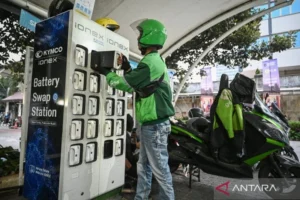
Indonesia’s Electric Motorcycle Revolution: Stylish Designs, Advanced Technology, and Sustainable Mobility Reshape the Urban Landscape by 2026

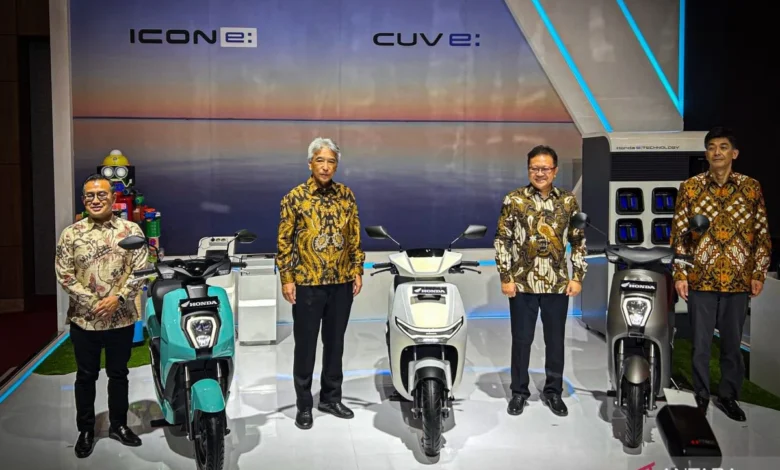
Jakarta, Indonesia – The Indonesian archipelago is rapidly embracing a new era of personal mobility, with electric motorcycles emerging as a dominant force in urban transportation. Driven by their modern aesthetics, significantly lower operational costs, and inherent environmental benefits, these two-wheeled electric vehicles are capturing the imagination and wallets of a growing segment of the population. By 2026, the market is poised to offer an unprecedented array of models, blending cutting-edge technology and sophisticated features with increasingly stylish designs, cementing electric motorcycles as a cornerstone of Indonesia’s sustainable future. This transformative shift is not merely a trend but a strategic pivot, underpinned by robust government initiatives and a burgeoning domestic manufacturing ecosystem, all contributing to a cleaner, more efficient urban environment.
A Pivotal Shift Towards Sustainable Mobility
Indonesia, a nation of over 270 million people with a formidable reliance on two-wheeled transport, faces increasing pressure to address urban congestion and air pollution. The traditional internal combustion engine (ICE) motorcycle market has long been dominant, with millions of units sold annually. However, the escalating global awareness of climate change, coupled with fluctuating fossil fuel prices and advancements in battery technology, has created a fertile ground for electric vehicle (EV) adoption. The Indonesian government, recognizing the strategic importance of this transition, has actively championed the shift towards electric mobility. Initiatives launched in the early 2020s, including purchase subsidies, tax incentives, and the development of charging and battery swap infrastructure, have been instrumental in accelerating consumer interest and industry investment. The target for EV adoption by 2030, which includes a substantial number of electric motorcycles, underscores the national commitment to reducing carbon emissions and achieving energy independence.
Market Dynamics and Technological Advancements by 2026
The year 2026 marks a critical juncture for the electric motorcycle sector in Indonesia. Industry analysts project a significant increase in market penetration, with electric models expected to command a notable share of new motorcycle sales. This growth is fueled by several factors:
- Technological Maturity: Battery technology has advanced considerably, offering longer ranges, faster charging times, and improved durability. Motors are more efficient, delivering better performance and reliability.
- Smart Integration: Connectivity features, such as smartphone integration for vehicle monitoring, GPS navigation, anti-theft systems, and over-the-air (OTA) software updates, are becoming standard.
- Design Evolution: Manufacturers are investing heavily in design, moving beyond utilitarian aesthetics to create vehicles that are aspirational and reflective of modern lifestyles. The focus is on sleek lines, ergonomic comfort, and customizable options.
- Robust Infrastructure: The expansion of public charging stations and, crucially for motorcycles, widespread battery swap networks, particularly in major urban centers like Jakarta, Surabaya, and Bandung, alleviates range anxiety and enhances user convenience.
These advancements mean that prospective buyers in 2026 are presented with a diverse array of options that not only meet their daily mobility needs but also align with their desire for stylish, technologically sophisticated, and environmentally responsible transportation.
Key Considerations for Prospective Electric Motorcycle Buyers
With a burgeoning market, the decision-making process for acquiring an electric motorcycle has become more nuanced. Beyond aesthetics, savvy consumers in 2026 are advised to meticulously evaluate several critical aspects to ensure their chosen model aligns with their specific mobility requirements and lifestyle:
- Performance Metrics: Assess the motor’s power output (typically measured in kW), top speed, and acceleration capabilities. While urban commuting often prioritizes torque and quick acceleration for navigating traffic, some riders may seek higher top speeds for occasional longer journeys.
- Range and Battery Capacity: This is paramount for electric vehicles. Consider the stated range per full charge (in kilometers) and the battery capacity (in kWh). Crucially, inquire about real-world range figures, which can vary based on riding style, terrain, and load. Investigate battery type (e.g., Lithium-ion), expected lifespan, and warranty coverage. The availability of swappable battery systems, offered by several manufacturers, can significantly enhance convenience for riders concerned about charging times.
- Charging Infrastructure and Time: Understand the charging options available. Does the motorcycle support fast charging? What is the estimated charging time from empty to full? For models with fixed batteries, access to home charging or public charging stations is vital. For swappable battery models, the density and accessibility of battery swap points in the rider’s regular routes are key.
- Safety Features: Modern electric motorcycles often incorporate advanced safety technologies. Look for features such as Anti-lock Braking System (ABS) or Combined Braking System (CBS), robust LED lighting for enhanced visibility, sturdy frame construction, and effective suspension systems. Security features like GPS tracking and remote locking are also increasingly common.
- Technology and Connectivity: Evaluate the digital dashboard, which typically displays speed, battery level, range, and ride mode. Smartphone integration via dedicated apps can offer features like remote diagnostics, ride tracking, navigation, and even keyless ignition. Over-the-air (OTA) updates for software can ensure the vehicle remains current with the latest features and performance enhancements.
- After-Sales Service and Warranty: A comprehensive warranty for the motorcycle and, critically, for the battery pack, is essential. Research the availability of authorized service centers, ease of obtaining spare parts, and the manufacturer’s commitment to long-term customer support.
- Cost of Ownership: Beyond the initial purchase price (which may be offset by government subsidies), consider the operational costs, primarily electricity consumption versus petrol. Maintenance costs for electric motorcycles are generally lower due to fewer moving parts. Factor in insurance costs and potential resale value.
By diligently assessing these factors, consumers can make an informed decision that ensures their electric motorcycle not only meets their immediate needs but also provides long-term satisfaction and value.
Showcasing the Best: Six Stylish Electric Motorcycle Recommendations for 2026
The competitive landscape of 2026 offers a compelling lineup of electric motorcycles that expertly blend aesthetics with cutting-edge engineering. Here are six notable recommendations that stand out for their style, performance, and advanced features:
1. ALVA Cervo
Positioned as a premium offering, the ALVA Cervo commands attention with its distinctly sporty and futuristic design. This model is engineered for the discerning urban rider who prioritizes both performance and panache. Its comprehensive digital instrument panel provides clear, real-time riding data, while multiple ride modes allow riders to tailor power delivery and efficiency to their preferences, from eco-friendly commuting to spirited urban sprints. A standout feature is its advanced connectivity through a dedicated smartphone application, enabling remote monitoring of the vehicle’s status, battery level, and even GPS tracking, enhancing both convenience and security. The Cervo typically offers a robust range, often exceeding 100 kilometers on a single charge, powered by a high-capacity lithium-ion battery, making it an ideal choice for daily urban commutes and weekend excursions within the city. Its powerful motor delivers swift acceleration, easily keeping pace with city traffic.
2. Honda CUV e:
Honda’s entry into the electric scooter segment, the CUV e:, arrives with a design ethos reminiscent of their popular modern automatic scooters, exuding an understated elegance. Leveraging Honda’s renowned engineering prowess and commitment to reliability, this electric motorcycle is tailored for efficient daily urban mobility. It typically features a well-integrated battery system designed for practicality, often with an emphasis on ease of charging or potential swappable battery options, reflecting Honda’s user-centric design philosophy. Safety is a hallmark of Honda products, and the CUV e: is no exception, incorporating advanced braking systems and robust construction. Its compact and agile design makes it exceptionally well-suited for navigating the often-congested streets of Indonesian cities, offering a comfortable and confident riding experience for a wide demographic of riders.
3. Polytron Fox-R
The Polytron Fox-R distinguishes itself with an aggressive, almost cyberpunk-inspired futuristic design that appeals to riders seeking a bold visual statement. As a product from an established Indonesian electronics brand, Polytron leverages its technological expertise to integrate a suite of digital features, including a vibrant digital display and comprehensive LED lighting systems that enhance both visibility and modern aesthetics. The Fox-R is engineered for everyday usability, offering a comfortable riding posture and intuitive controls. It typically features a robust electric motor capable of delivering ample power for urban commutes, often providing a competitive range per charge. The combination of its striking design and efficient energy use has cemented the Fox-R as a popular choice for those looking for an electric motorcycle that is both visually engaging and practical for daily life.
4. Yadea Velax
The Yadea Velax embodies a sleek, modern design characterized by sharp body lines and a dynamic profile, reflecting Yadea’s global leadership in electric two-wheelers. This model is equipped with a variety of features designed to enhance rider comfort and convenience, from optimized seating ergonomics to advanced suspension systems that absorb urban road imperfections. The Velax delivers reliable performance suitable for diverse urban activities, offering a good balance of speed and range. A significant advantage of the Velax is its wide array of vibrant color options, allowing riders to personalize their vehicle and express their individual style, a key factor for the fashion-conscious Indonesian market. Its robust battery management system ensures efficient power delivery and a respectable range, making it a versatile option for city dwellers.
5. United TX1800
The United TX1800 presents a design that is both understated and modern, prioritizing functional elegance and ergonomic efficiency. Crafted by United E-Motor, a prominent local player, this model is specifically engineered for daily commuting, emphasizing a comfortable and practical riding experience. Its ergonomic design ensures a natural and relaxed riding posture, reducing fatigue during longer rides. The TX1800 is known for its practical operation, featuring intuitive controls and a user-friendly interface that makes it accessible to a broad range of riders. It typically boasts a substantial motor and battery capacity that provides reliable performance and a decent range for regular urban use, making it an attractive alternative for consumers seeking an elegant, dependable, and efficient electric vehicle for their everyday mobility needs.
6. Smoot Zuzu
The Smoot Zuzu captures attention with its compact, minimalist, and undeniably charming design, reminiscent of retro-styled scooters but with a modern electric twist. Its diminutive size makes it exceptionally agile and easy to maneuver through crowded city streets and tight parking spaces, a significant advantage in dense urban environments. Despite its compact form factor, the Zuzu maintains an attractive aesthetic that resonates particularly well with younger urban demographics. A key differentiator for Smoot models, including the Zuzu, is their integration into a widespread battery swap network, eliminating charging downtime and offering unparalleled convenience. This system, combined with its relatively economical operational costs, positions the Smoot Zuzu as an ideal and highly practical choice for daily commuting and short-distance travel, offering both style and financial efficiency.
Government Support and Future Outlook
The Indonesian government’s commitment to fostering an electric vehicle ecosystem remains steadfast in 2026. Subsidies for electric motorcycle purchases continue to play a crucial role in reducing the initial cost barrier, making EVs more accessible to the broader public. Furthermore, state-owned enterprises, as indicated by recent announcements, are actively exploring and engaging in the production of electric vehicle components and potentially entire vehicles, aiming to bolster local manufacturing capabilities and create new job opportunities. This aligns with the broader vision of making Indonesia a hub for EV production in Southeast Asia.
The expansion of charging and battery swap infrastructure is expected to continue aggressively, particularly along major commuter routes and within residential areas. This sustained effort will gradually alleviate range anxiety, a significant hurdle for potential EV adopters. Industry associations, such as Apindo (the Indonesian Employers’ Association), have consistently highlighted the potential of the national electric vehicle industry to become a primary economic driver, creating a robust supply chain and attracting foreign investment.
Challenges persist, including the need for continuous public education on the benefits and usage of electric vehicles, ensuring the sustainability of battery production and recycling, and maintaining a competitive pricing structure against traditional motorcycles. However, the trajectory is clear: Indonesia is on an irreversible path towards electrifying its vast motorcycle fleet, promising a future of cleaner air, quieter cities, and enhanced energy security.
Broader Impact and Implications
The growing adoption of electric motorcycles in Indonesia carries profound implications beyond individual mobility choices. Environmentally, it signifies a substantial reduction in urban air pollution and greenhouse gas emissions, directly contributing to Indonesia’s climate change mitigation goals. Economically, the shift lessens the nation’s reliance on imported fossil fuels, bolstering energy independence and saving valuable foreign exchange. The burgeoning domestic EV industry stimulates innovation, creates skilled jobs in manufacturing, research, and infrastructure development, and positions Indonesia as a key player in the global electric mobility landscape. Socially, the transition leads to quieter urban environments, improving the quality of life for city dwellers, and fostering a culture of sustainable consumption. As 2026 unfolds, the electric motorcycle is not just a mode of transport; it is a symbol of Indonesia’s progressive journey towards a sustainable, technologically advanced, and economically vibrant future.
Pewarta: M. Hilal Eka Saputra Harahap
Editor: Suryanto
Copyright © ANTARA 2026
Related posts: