Jakarta Governor Pramono Anung Accelerates Comprehensive River Normalization Projects Ahead of Upcoming Rainy Season

Jakarta provincial administration has intensified sweeping river normalization and water infrastructure projects across the capital city as part of an urgent pre-emptive strategy to mitigate the perennial threat of seasonal flooding. The acceleration comes in direct response to meteorological forecasts predicting the onset of the heavy monsoon season by late November, heightening pressure on city authorities to upgrade Jakarta’s notoriously vulnerable drainage systems while favorable dry-season conditions persist.
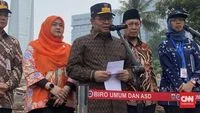
Governor Pramono Anung outlined the administration’s aggressive flood-mitigation agenda during an on-site inspection of the Kali Mampang normalization project at the Poncol segment in West Kuningan, South Jakarta. The strategic push encompasses multiple major waterways across the metropolitan area, targeting critical bottlenecks that have historically paralyzed transportation and displaced thousands of residents during torrential downpours.
Strategic Infrastructure Push Across Critical Waterways
The ongoing intervention focuses heavily on historically high-risk zones, including the Ciliwung, Krukut, Cakung Lama, and Mampang rivers. While acknowledging that the Mampang waterway segment is relatively short in length, Governor Pramono emphasized that its strategic location makes it a vital linchpoin for local drainage management.
"River normalization, whether along the Ciliwung, Krukut, Cakung Lama, or Mampang—even though Mampang is relatively short—is being actively carried out with the firm expectation of preparing Jakarta for the upcoming rains," Governor Pramono stated during his inspection of the West Kuningan site.
For decades, seasonal flooding has remained one of Jakarta’s most persistent and complex socioeconomic challenges. The city’s low-lying topography, combined with rapid urbanization, land subsidence, and the narrowing of natural riverbeds, creates an environment where heavy rainfall quickly overwhelms existing infrastructure. The urgency of these engineering interventions becomes particularly acute as the wet season approaches, drawing intense public scrutiny and political accountability toward the provincial government’s disaster-preparedness measures.
According to long-range forecasts from the Meteorology, Climatology, and Geophysical Agency (BMKG), the primary rainy season for the Greater Jakarta area (Jabodetabek) is anticipated to commence toward the end of November. Capitalizing on the tail-end of an extended dry season—exacerbated by prolonged regional climate patterns—the Jakarta administration has mobilized heavy machinery and engineering crews to maximize excavation windows before precipitation levels spike.
Addressing High-Risk Vulnerabilities at Kali Mampang
The Kali Mampang normalization initiative serves as a microcosm of the wider provincial strategy. The area has long been recognized by disaster management agencies as a chronic flashpoint for urban inundation. Historical hydrological data indicates that localized rainfall exceeding 100 millimeters within a 24-hour period invariably triggers severe overflow, cutting off access roads and inundating residential neighborhoods.
"This particular location is an area that, time and time again—frankly speaking—with just 100 millimeters of rain per day, is guaranteed to flood, and it generates a continuous stream of complaints from local residents regarding inundation," Pramono explained, highlighting the human toll and civic pressure driving the current works.
Beyond widening and deepening river channels, the administration’s comprehensive flood-control blueprint incorporates a multi-tiered structural approach. This includes the rapid construction of community retention basins (embung), widespread dredging of secondary and tertiary drainage networks (selokan), and the structural redesign and reinforcement of crucial river confluences where intersecting water flows historically created dangerous hydraulic bottlenecks.
City planners argue that these synchronized measures are vital to restoring the hydraulic capacity of Jakarta’s drainage network, which has suffered from decades of deferred maintenance, structural encroachment, and heavy sediment accumulation.
Leveraging the Extended Dry Season for Maximum Output
Governor Pramono noted that the administration is purposefully leveraging the extended dry spell—linked to regional climate phenomena—to fast-track civil engineering projects that were previously delayed or executed piecemeal.
"We are utilizing this extended dry season to thoroughly repair and upgrade the flood-control infrastructure owned and operated by the Jakarta Provincial Government," the governor affirmed. "Normalization works that have been neglected for a very long time are now being actively resumed. We are conducting massive dredging operations across all drainage networks and rivers everywhere."
Urban infrastructure experts have long maintained that effective flood mitigation in a mega-city like Jakarta requires continuous, proactive maintenance rather than reactive emergency responses during peak storms. The current administration’s push aims to clear accumulated silt, solid waste, and structural blockages that severely restrict water discharge velocities during extreme weather events.
While complete flood eradication remains an engineering challenge in a city experiencing rapid land subsidence and rising sea levels, provincial authorities express strong confidence that the combined impact of river widening, retention basin development, and extensive urban dredging will measurably reduce both the volume and duration of inundation events across the capital.
As November approaches, the efficacy of these accelerated interventions will face its first major empirical test, with millions of Jakarta residents watching closely to see whether the enhanced infrastructural defenses can successfully tame the seasonal deluge.
Related posts: