Tragic Loss in Training: Ministry of Creative Economy ASN Dies from Heatstroke During Reserve Component Military Basic Training

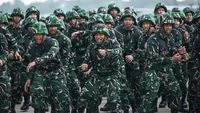
The untimely death of Vanreko Varkas Bagaskara, a dedicated civil servant (Aparatur Sipil Negara or ASN) representing the Ministry of Creative Economy, has sent shockwaves through the Indonesian public sector and defense training circles. Passing away on Saturday, September 26, while participating in the Military Basic Training for the Reserve Component (Latsarmil Komcad) at Halim Perdanakusuma Air Base in Jakarta, the young patriot succumbed to severe complications arising from heatstroke. This unfortunate incident has cast a spotlight on the rigorous physical demands of military reserve training programs, the physiological risks of extreme weather conditions, and the critical importance of heat-related illness management in high-intensity physical regimens.
Background Context of the Reserve Component Program
The Komponen Cadangan (Komcad), or Reserve Component, is an integral part of Indonesia’s national defense strategy, structured under Law Number 23 of 2019 concerning the National Resource Management for National Defense (UU PDSneg). Designed to bolster the country’s primary defense force—the Indonesian National Armed Forces (TNI)—the program recruits civilians, including civil servants, professionals, and students, to undergo rigorous military basic training.
While the program aims to instill discipline, nationalism, and basic combat readiness, it subjects participants—many of whom transition from sedentary desk jobs to intensive field training—to extreme physical and environmental stressors. The training regimens often involve long-distance marching, tactical drills, and physical conditioning under the equatorial sun, making participants acutely vulnerable to environmental heat injuries if proper acclimatization and hydration protocols are compromised.
Chronology of Events: From Initial Symptoms to Medical Intervention
The tragic sequence of events unfolded over the course of two critical days, moving from the training grounds of Halim Perdanakusuma to advanced intensive care units in military hospitals. According to official accounts detailed by Colonel Kes Dr. Iman Fathurrohman, Head of Dr. Esnawan Antariksa Air Force Hospital (RSAU), the emergency began during the closing ceremonies of the first session of the Latsarmil program.
Friday, September 25, 2025:
- 09:30 WIB: Vanreko Varkas Bagaskara successfully completed the first phase of the training session’s closing activities. However, as preparations began for the second phase, he abruptly reported feeling dizzy, experiencing tunnel vision ("pandangan gelap"), and subsequently lost consciousness.
- Immediate Post-Collapse: The Pusdikkes (Military Health Center) field medical team, stationed on standby at the location and led by Dr. Iriane Dewi, rushed to administer immediate first aid. Initial triage and medical assessments revealed that Vanreko was suffering from severe hypotension (low blood pressure) alongside a sharply elevated core body temperature—classic clinical indicators of a heatstroke triggered by physical exertion and environmental exposure.
- Emergency Field Treatment: Field medics initiated emergency cooling procedures, including cold compresses, intravenous fluid resuscitation, and oxygen therapy, before making the urgent decision to evacuate him to the Emergency Department (IGD) of RSAU Dr. Esnawan Antariksa.
- Hospital Admission and Stabilization: Upon arrival at RSAU Dr. Esnawan Antariksa, a team of specialist physicians executed comprehensive medical protocols. Vanreko was placed under strict hemodynamic observation, multi-organ function evaluation, and respiratory stabilization.
- Evening Progress: By Friday night, initial reports offered a glimmer of hope. Medical observations confirmed that the patient had regained consciousness, exhibited spontaneous neurological reflexes, and maintained stable vital signs.
Saturday, September 26, 2025:
- 04:30 WIB: The clinical picture shifted dramatically. Vanreko suffered recurrent seizures, a severe systemic complication often associated with advanced heatstroke that profoundly impacts vital organ functions and cerebral pressure. The seizures triggered a sharp, secondary decline in his level of consciousness.
- Morning Escalation and Transfer: Recognizing the critical nature of the neurological complications, the medical team at RSAU Dr. Esnawan Antariksa coordinated an immediate transfer to the Central Army Hospital (RSPAD) Gatot Soebroto to secure advanced neuro-intensive care. The patient was transported in a fully equipped ICU-standard ambulance, accompanied by medical personnel and Military Police of the Air Force (POM AU).
- 11:30 WIB: Vanreko arrived at the IGD of RSPAD Gatot Soebroto. He immediately underwent a cranial CT scan and was admitted to the Intensive Care Unit (ICU) under the direct supervision of the Responsible Physician (DPJP) Dr. Tanov, Sp.S, alongside officials from the Military Health Center and the Ministry of Defense.
- Final Outcome: Despite the combined, relentless efforts of multi-institution medical teams from Pusdikkes, RSAU Dr. Esnawan Antariksa, and RSPAD Gatot Soebroto, Vanreko succumbed to his condition and was pronounced dead.
Medical Analysis: Understanding Heatstroke and Its Systemic Dangers
Heatstroke represents the most severe form of heat injury, classified as a medical emergency characterized by a core body temperature exceeding 40 degrees Celsius (104 degrees Fahrenheit) accompanied by central nervous system dysfunction—such as confusion, seizures, or coma.
In occupational or military training environments, exertional heatstroke (EHS) occurs when the body’s thermoregulatory mechanisms are overwhelmed by endogenous heat production from intense physical exertion combined with external environmental factors like high ambient temperature and humidity. Without immediate, aggressive whole-body cooling and multi-organ life support, EHS can rapidly progress to systemic inflammatory response syndrome (SIRS), disseminated intravascular coagulation (DIC), multi-organ dysfunction syndrome (MODS), and fatal cerebral edema.
The medical complications reported in Vanreko’s case—specifically the sudden onset of recurrent seizures following initial stabilization—highlight the insidious and volatile nature of severe heat injuries, where secondary inflammatory cascades can severely damage vital neurological and systemic pathways even after initial emergency cooling has been achieved.
Official Responses and Condolences from Ministries and Military Leadership
In the wake of the tragedy, the Ministry of Defense, the Ministry of Creative Economy, and the Indonesian National Armed Forces (TNI) expressed profound grief and extended their deepest condolences to the grieving family.
Colonel Kes Dr. Iman Fathurrohman praised the fallen civil servant, highlighting his exemplary character and commitment to national service. "The deceased was a young patriot dedicated, possessing high integrity, and demonstrating an extraordinary spirit of state defense," Iman stated in an official release.
To honor his service and support the bereaved family, the Ministry of Defense assumed full responsibility for all funeral arrangements, final honors, transport of the body to the family home, and administrative facilitation. Furthermore, coordinated support mechanisms were mobilized across the Ministry of Defense, the Ministry of Creative Economy, and relevant state institutions to ensure the family receives comprehensive assistance during this difficult time.
Broader Implications for Military and Reserve Training Protocols
The passing of Vanreko Varkas Bagaskara has prompted broader discussions among defense analysts, public health experts, and government bodies regarding safety protocols within the Reserve Component training ecosystem. While military training inherently demands rigorous physical endurance, experts emphasize that individual physiological differences, varying levels of baseline physical conditioning, and localized microclimates require highly adaptable safety measures.
Key takeaways and policy implications likely to be scrutinized by organizers include:
- Enhanced Pre-Training Screening: Ensuring comprehensive medical evaluations that account for individual heat tolerance and hidden physiological vulnerabilities.
- Real-Time Environmental Monitoring: Implementing strict wet-bulb globe temperature (WBGT) index tracking to dynamically modify training intensity during peak heat hours.
- Rapid Cooling Infrastructure: Expanding the immediate availability of cold-water immersion tubs—recognized globally as the gold standard for treating exertional heatstroke—directly at field training sites.
- Hydration and Acclimatization Protocols: Enforcing structured acclimatization schedules, particularly for participants transitioning from sedentary civilian professions to intensive outdoor military regimens.
As the nation mourns the loss of a dedicated civil servant and aspiring reservist, Vanreko Varkas Bagaskara’s legacy remains tied to his profound sense of civic duty and nationalism. His tragic passing serves as both a solemn reminder of the ultimate sacrifices made in the pursuit of national defense readiness and a critical catalyst for strengthening safety frameworks to protect those who step forward to serve.
Related posts: