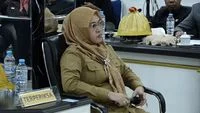
The Special Committee (Pansus) for the Right of Inquiry (Hak Angket) of the Gowa Regency Regional House of Representatives (DPRD) in South Sulawesi has officially completed its investigative duties, marking a significant step in a high-profile case involving the local administration. The committee’s comprehensive report, accompanied by eight critical recommendations, has been formally submitted to the DPRD leadership for further deliberation and action. This development raises the crucial question of whether the findings of the Pansus will ultimately lead to a proposal for the impeachment of Gowa Regent Sitti Husniah Talenrang, a move that could significantly alter the political landscape of the regency.
Kasim Sila, the Chairman of the Gowa DPRD Hak Angket Pansus, confirmed the conclusion of their mandate on Thursday, July 23. "Yesterday, our duties and responsibilities within the Pansus were completed," Sila stated, indicating the transition of responsibility to the broader legislative body. The subsequent phase of this intricate process now rests with the DPRD leadership, who are tasked with distributing the investigative report to all 45 members of the regional legislative assembly. This distribution is crucial, as it allows each member to meticulously study the findings and recommendations put forth by the Pansus.
Understanding the Hak Angket: A Legislative Tool for Oversight
To fully grasp the gravity of this situation, it is essential to understand the nature of a ‘Hak Angket’ (Right of Inquiry) within the Indonesian legislative system. The Hak Angket is a powerful oversight mechanism enshrined in Indonesian law, particularly in laws governing regional government and legislative bodies. It grants regional legislative councils, such as the Gowa DPRD, the authority to conduct investigations into the implementation of regional government policies and the actions of regional heads (governors, regents, or mayors) that are suspected of violating laws or regulations, or that negatively impact public interest.
Unlike routine oversight, a Hak Angket is typically initiated when there are serious allegations or concerns that warrant a more intensive and formal investigation. Its purpose is not merely to criticize but to uncover facts, establish accountability, and, if necessary, recommend corrective actions or even propose the removal of a regional head. The process involves summoning officials, gathering evidence, holding hearings, and ultimately compiling a report with conclusions and recommendations. The findings of a Hak Angket can have profound legal and political consequences, underscoring its significance as a tool for checks and balances in local governance.
Chronology of the Gowa Pansus Investigation
The journey of the Gowa DPRD Hak Angket Pansus has been a protracted and often contentious one, unfolding over several weeks. While the precise date of its formation is not detailed in the immediate report, the committee was established in response to unspecified concerns or allegations surrounding the Gowa Regency administration under Regent Sitti Husniah Talenrang. Its mandate was to delve into these matters, scrutinize policies, and assess the conduct of the regional government.
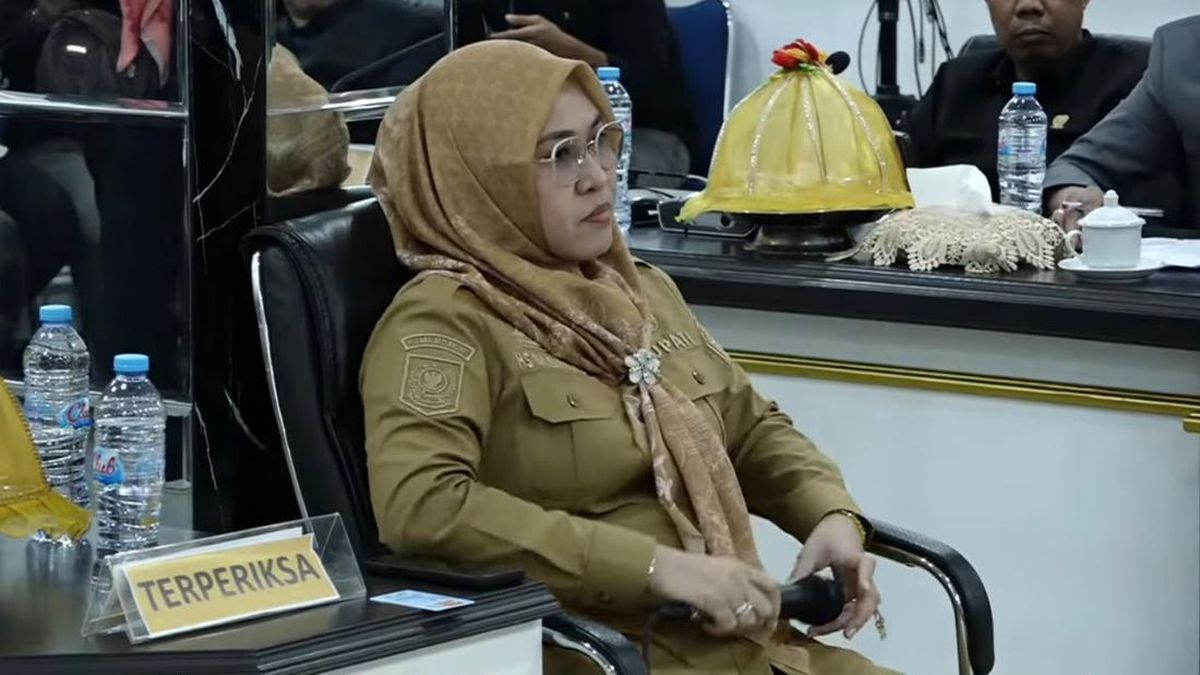
Throughout its investigative period, the Pansus engaged in various activities, including gathering documentation, conducting public hearings (RDPU – Rapat Dengar Pendapat Umum), and summoning relevant parties for clarification and testimony. A pivotal moment in this chronology occurred on Tuesday, July 14, when Regent Sitti Husniah Talenrang herself attended a Pansus hearing. This appearance was highly anticipated, given the serious nature of the inquiry. However, the session took an unexpected turn when the Regent declined to answer questions individually and instead requested that all inquiries be submitted collectively, to which she would provide a unified response.
Following this request, and citing what her legal team described as a failure to meet her rights as a party being questioned, Regent Talenrang exited the hearing, effectively staging a "walkout." This incident drew considerable attention and raised questions about the cooperation between the executive and legislative branches in Gowa. Her legal counsel, Amirullah Mappaero, clarified the Regent’s stance, stating, "From the beginning, the Ibu (Regent) was ready and had prepared everything related to the questions from the Pansus. But the Ibu requested that her rights be fulfilled, namely that questions be submitted collectively and the discussion remain within the realm of policy. This request was not met." Another lawyer for the Regent, Arie Dumais, further emphasized their position, citing Article 128 of Law Number 1 Year 2024, which he argued provides for the right of a party being questioned to provide answers either orally or in writing. "The Ibu requested that questions be submitted collectively and later answered in writing. We base this on Article 128 which regulates that answers can be given verbally or in writing," Arie explained, stressing the Regent’s good faith in attending the summons.
Despite the walkout, Pansus Chairman Kasim Sila asserted that the committee would proceed with its work. He stated at the time that the Pansus would still conclude its findings based on the information gathered, regardless of the Regent’s direct participation in the final questioning. "Even without her presence, we can still draw conclusions, especially since she did attend. So, even without her presence, we wouldn’t know what the conclusion would be. We will hold an internal meeting to conclude the results from all, starting from the RDPU until now," Sila remarked, underlining the committee’s commitment to its mandate. This resolve led to the recent completion of the investigation and the submission of the final report, culminating months of scrutiny.
The Eight Points of Recommendation: Addressing Governance and Allegations
The Pansus’s final report includes eight distinct recommendations, meticulously categorized into three primary recipients: law enforcement agencies (APH – Aparat Penegak Hukum), the Gowa Regency Government, and the leadership of the Gowa DPRD itself. This multi-pronged approach reflects the diverse nature of the findings and the various levels at which corrective or punitive action might be required.
Chairman Kasim Sila elaborated on the distribution of these recommendations. Notably, one of the most significant recommendations is directed towards law enforcement agencies, specifically concerning allegations of corruption. Sila highlighted, "We recommend to the police that it relates to indications of alleged corruption in the free school program." This particular recommendation signals a serious concern within the Pansus regarding the integrity of a key public welfare initiative, suggesting that the investigation uncovered evidence pointing towards potential criminal activity. The "free school program," presumably aimed at providing educational access without cost to students in Gowa, would be a critical service, and any misuse of funds or resources would represent a significant breach of public trust and potentially a criminal offense.
The recommendations to the Gowa Regency Government are likely to address policy implementation issues, administrative deficiencies, or areas where improvements in governance and transparency are deemed necessary. These might range from procedural changes to structural reforms designed to prevent future irregularities. Meanwhile, recommendations directed to the DPRD leadership could pertain to internal legislative processes, strengthening oversight mechanisms, or guiding the assembly on how to proceed with the Pansus’s findings within the legal and political framework. The comprehensive nature of these recommendations indicates a thorough review by the Pansus, aiming to address not only specific instances of concern but also systemic issues within the local administration.
The Path to ‘Hak Menyatakan Pendapat’ and Potential Impeachment
With the report and its eight recommendations now in the hands of the DPRD leadership, the next critical phase involves the entire legislative body. All 45 members of the DPRD will study the Pansus’s findings. Their collective decision will determine whether the investigative results are deemed sufficient to proceed to the ‘Hak Menyatakan Pendapat’ (Right to State Opinion).
The ‘Hak Menyatakan Pendapat’ is the second step in a two-stage process that can lead to the removal of a regional head. If a majority of DPRD members concur that the Pansus’s report warrants further action, they will officially propose to the leadership to invoke this right. Kasim Sila elucidated the gravity of this stage, stating, "If friends consider our report worthy of being continued to the right to state an opinion, then they will propose to the leadership for the use of the right to state an opinion." He further clarified the ultimate potential outcome of this right: "If it is to state an opinion, it is not far from impeachment or dismissal." This statement underscores that should the DPRD proceed with the Hak Menyatakan Pendapat, it directly opens the door to an impeachment proposal against Regent Sitti Husniah Talenrang.
According to Indonesian law, particularly provisions within the Law on Regional Government (e.g., as referenced by the lawyer, UU No. 1 Tahun 2024, or the prevailing Law No. 23 Year 2014 concerning Regional Government), the process for dismissing a regional head typically involves:
- Hak Angket (Right of Inquiry): To investigate allegations.
- Hak Menyatakan Pendapat (Right to State Opinion): If the Hak Angket finds sufficient grounds, the DPRD can issue a formal opinion, which essentially constitutes a political decision to initiate dismissal proceedings.
- Referral to the Supreme Court: The DPRD’s opinion and supporting evidence are then submitted to the Supreme Court (Mahkamah Agung) for a judicial review of whether the allegations of violations of law or ethical misconduct are legally proven.
- DPRD Decision: If the Supreme Court affirms the grounds for dismissal, the DPRD holds a special plenary session to make a final decision on the dismissal, which requires a supermajority vote.
- Presidential Decree: The final dismissal is formalized by a Presidential Decree, based on the DPRD’s decision and the Supreme Court’s ruling.
Chairman Kasim Sila indicated that, based on initial responses and discussions following the presentation of the investigative results, a majority of DPRD members appear to favor the continuation of the process towards the Hak Menyatakan Pendapat. "It is almost certain that friends will proceed to the right to state an opinion, but I do not want to preempt their decision," he said, highlighting the strong internal momentum while acknowledging that the final decision rests with the collective assembly. This suggests a palpable political will within the DPRD to pursue the matter further, potentially leading to a significant political upheaval in Gowa Regency.
Broader Impact and Implications for Gowa Governance
The conclusion of the Hak Angket Pansus and the subsequent steps carry significant implications for the political stability and governance of Gowa Regency. Should the DPRD proceed with the Right to State Opinion, and subsequently an impeachment proposal, it would plunge the local administration into a period of uncertainty and potential leadership transition. Such a process would inevitably consume considerable political energy and resources, potentially diverting attention from critical development programs and public services.
For the residents of Gowa, this situation underscores the importance of legislative oversight and accountability. The allegations, particularly those concerning the "free school program," strike at the core of public trust and the effective use of taxpayer money. A transparent and just resolution to these issues is crucial for maintaining public confidence in local government institutions. If proven, corruption in a program designed to benefit the underprivileged would be a severe blow to the community.
The entire episode also serves as a potent reminder of the checks and balances inherent in Indonesia’s democratic system. The DPRD, as the legislative body, has demonstrated its capacity to exercise its constitutional rights to scrutinize the executive branch. This dynamic interplay is vital for ensuring good governance, preventing abuse of power, and upholding the rule of law at the regional level. The outcome of this process in Gowa will undoubtedly be closely watched by other regional governments and legislative bodies across Indonesia, potentially setting a precedent for how such high-stakes accountability measures are pursued and resolved. The coming weeks will be critical as the 45 members of the Gowa DPRD deliberate on the future of Regent Sitti Husniah Talenrang and the direction of the regency’s leadership.