A Seven-Year-Old Orphaned by KM Nurul Salsa Sinking Off Sulawesi Coast Prompts Urgent Calls for Maritime Safety Review

Makassar, Indonesia – The harrowing maritime tragedy involving the KM Nurul Salsa, which capsized and sank off the coast of Selayar Islands, South Sulawesi, has left a seven-year-old girl, Diska, an orphan and reignited critical discussions surrounding maritime safety in Indonesia. The incident, which occurred on Wednesday, July 15, 2020, claimed the lives of Diska’s parents, Hasbi (41) and Malida (31), both from Desa Ma’minasata, Kecamatan Pasimasunggu, Selayar Regency, among other victims. Their disappearance was initially reported following the vessel’s sinking en route to Benteng Port in Kepulauan Selayar, a journey that tragically ended in the vast, unforgiving waters.
The disaster has cast a long shadow over the tight-knit island communities that heavily rely on sea transportation for their daily lives and economic sustenance. Diska’s story, a poignant testament to the human cost of such accidents, has resonated deeply across the archipelago, prompting an outpouring of sympathy and a firm commitment from local authorities to ensure her future welfare.
A Harrowing Ordeal: The Chronology of Survival and Loss
The journey aboard the KM Nurul Salsa began like many others for residents of the Selayar Islands, an archipelago heavily dependent on inter-island ferries for transport of people and goods. On July 15, 2020, the vessel embarked on its routine voyage. However, the serene waters soon turned treacherous. Accounts from survivors paint a grim picture of rapidly deteriorating weather conditions, with towering waves and powerful currents overwhelming the boat.
Diska, her parents, and her aunt, Bau Asseng (23), were among the passengers. As the KM Nurul Salsa succumbed to the turbulent sea, a desperate struggle for survival began. Bau Asseng recounted the initial chaos, stating, "Diska was with her father and mother previously. But, that’s how fate works." In the immediate aftermath, a small group of six passengers, including Diska, her parents, and Bau Asseng, managed to cling to a gabus (cork float) amidst the wreckage, a fragile beacon of hope in the vast expanse of the ocean.
For days, the survivors endured unimaginable hardship, battling the relentless sun, extreme dehydration, hunger, and the constant threat of the high waves. The conditions were brutal, pushing human endurance to its limits. Bau Asseng detailed the escalating tragedy: "Because of the high waves, we struggled to hold on. Diska’s father and mother became separated. Her mother managed to survive for three nights on the gabus before finally succumbing to dehydration and exhaustion, unable to hold on any longer." In a heart-wrenching decision forced by the dire circumstances and their own weakening state, the survivors had no choice but to leave Malida’s body at sea, an act of profound grief and necessity as they fought to stay alive.
Before his own separation from the group, Diska’s father, Hasbi, imparted a final, desperate plea to Bau Asseng: "Please take care of Diska." His words became a sacred trust, a promise whispered against the roar of the ocean. This final act of paternal love underscored the immense sacrifice and the profound human connections torn apart by the disaster.
The ordeal finally ended on Saturday, July 19, 2020, four agonizing days after the sinking. Five survivors – Bau Asseng (23), Diska Yanti (7), Sri Ardita (17), Andi Samad (62), and Sitti Amang (55) – were miraculously spotted and rescued by a passing fishing vessel navigating the waters of the Flores Sea. Their survival, against overwhelming odds, stands as a testament to their resilience and sheer will to live, but also highlights the critical need for more robust search and rescue capabilities in the region.
The Context of Maritime Travel in Indonesia
The sinking of the KM Nurul Salsa is not an isolated incident but rather a grim reminder of the inherent risks associated with maritime transportation in Indonesia, an archipelago nation comprising over 17,000 islands. For millions of Indonesians, ferries and smaller passenger boats are not merely a mode of transport but a vital lifeline, connecting remote communities, facilitating trade, and allowing families to visit one another.
However, this reliance comes with significant challenges. Many vessels operating in inter-island routes, particularly smaller ones, often face issues related to inadequate maintenance, lack of modern safety equipment, and, critically, overcrowding. Regulatory oversight, while present, can be difficult to enforce consistently across such a vast and geographically diverse nation. Weather conditions, especially during monsoon seasons or periods of unpredictable squalls, can change rapidly, turning calm seas into dangerous expanses within hours. The Selayar Islands, situated in the southern part of Sulawesi, are particularly vulnerable to strong currents and volatile weather patterns, making sea travel inherently risky if safety protocols are not rigorously observed.
Past incidents, some involving significant loss of life, have repeatedly prompted calls for stricter enforcement of maritime safety standards, including mandatory life vest provisions, regular vessel inspections, passenger manifests, and real-time tracking systems. Despite these calls, tragedies like the KM Nurul Salsa continue to occur, underscoring systemic vulnerabilities that require sustained national attention and investment.
Official Responses and Commitment to Welfare
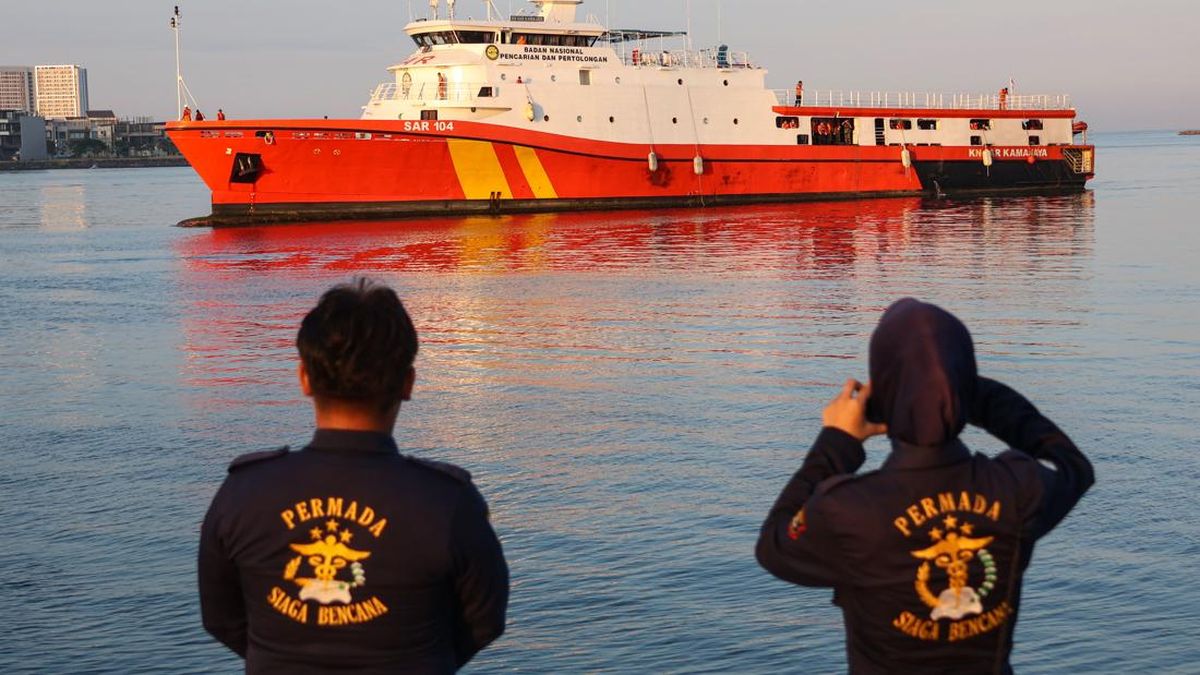
In the wake of the tragedy, local authorities and national agencies swiftly mobilized. The National Search and Rescue Agency (BASARNAS) launched an extensive operation, coordinating with local fishermen, the Indonesian Navy (TNI AL), and other relevant bodies to locate the missing passengers and crew. These operations are often fraught with difficulty, hampered by the vastness of the search area, strong currents that can carry debris and bodies far from the wreck site, and the unpredictable nature of the sea. Despite the intense efforts, the bodies of Diska’s parents, Hasbi and Malida, along with other victims, remained missing, adding to the families’ anguish.
Bupati (Regent) of Kepulauan Selayar, Natsir Ali, expressed deep sorrow over the incident and made an immediate commitment to the welfare of the orphaned Diska. He pledged that the local government would provide comprehensive support, guaranteeing her educational expenses from primary school through to university. "As for the little girl, we understand she has lost her parents, and God willing, she will become the responsibility of the regional government," Natsir Ali stated, emphasizing the community’s collective duty to care for its most vulnerable. This commitment goes beyond immediate relief, aiming to secure Diska’s long-term future and provide stability amidst her profound loss.
Furthermore, Regent Natsir Ali affirmed the ongoing efforts to locate all missing individuals, stating, "We will continue to deploy all our capabilities and strengthen coordination with all parties until all victims are found." He appealed to the public for prayers, "We ask for the prayers of all society so that the search process is facilitated and the victims who are still missing can be immediately saved."
Beyond the local response, the Ministry of Transportation and the National Transportation Safety Committee (KNKT) are expected to launch a thorough investigation into the sinking. Such investigations are crucial for determining the exact cause of the accident, whether it was due to weather, human error, mechanical failure, overloading, or a combination of factors. The findings are vital for formulating preventative measures and improving existing safety regulations to prevent future recurrences. The Social Affairs Ministry also plays a role in providing psychological support and long-term care for survivors, especially children like Diska, who will require extensive emotional and psychological assistance to cope with their trauma.
Broader Impact and Implications for Maritime Safety
The sinking of the KM Nurul Salsa, much like other maritime disasters in Indonesia, has far-reaching implications that extend beyond the immediate tragedy.
Socio-Economic Impact: For the Selayar Islands, a region heavily reliant on fishing and inter-island trade, the loss of lives, particularly those of working adults, can have a significant socio-economic impact. Families lose breadwinners, and communities suffer a collective trauma. The incident can also disrupt local economies, affecting the flow of goods and services and potentially deterring tourism, which is an emerging sector in the region.
Trust in Public Transportation: Each such incident erodes public trust in the safety and reliability of inter-island transport, forcing people to choose between essential travel and personal safety. This can lead to increased caution or, paradoxically, a continued reliance on potentially unsafe options due to a lack of alternatives.
Policy and Regulatory Review: The tragedy invariably prompts renewed calls for a comprehensive review of maritime safety regulations. This includes stricter enforcement of vessel seaworthiness checks, mandatory training for crew members, accurate passenger manifests, and adequate provision of life-saving equipment. There is a persistent need for better weather forecasting and dissemination systems for smaller vessels, along with improved communication infrastructure for distress signals. The role of port authorities in preventing overloaded vessels from departing is also critical.
Search and Rescue Enhancement: The challenges faced during the KM Nurul Salsa search operation highlight the need for continuous investment in BASARNAS’s capabilities, including modern equipment, faster response vessels, aerial surveillance, and advanced training for its personnel. Effective coordination between various agencies and local communities is also paramount in a nation with such extensive maritime territories.
Psychological Support and Long-Term Care: The emotional toll on survivors, witnesses, and the families of the deceased is immense. Diska, having endured days at sea and witnessing the loss of both her parents, will require sustained psychological support. Government and non-governmental organizations must ensure that adequate mental health services are available for all affected individuals to help them process their trauma and rebuild their lives.
Preventative Measures and Future Outlook
To mitigate the risk of future maritime tragedies, a multi-pronged approach is essential:
- Strict Enforcement of Regulations: Regular and thorough inspections of all passenger vessels, regardless of size, to ensure compliance with safety standards, including structural integrity, engine maintenance, and life-saving equipment.
- Capacity Control: Rigorous enforcement of passenger limits to prevent overloading, a common factor in many Indonesian maritime accidents.
- Crew Training: Mandatory and recurrent training for all crew members on safety procedures, emergency response, first aid, and navigation.
- Weather Monitoring and Dissemination: Enhanced weather forecasting systems specifically tailored for maritime routes and effective mechanisms to disseminate real-time warnings to all vessels, particularly smaller ones that may lack sophisticated onboard technology.
- Investment in Infrastructure: Upgrading port facilities and ensuring proper docking and loading procedures.
- Public Awareness Campaigns: Educating passengers about their rights and responsibilities, including the importance of wearing life jackets and reporting unsafe conditions.
- Technological Integration: Exploring the use of GPS tracking devices on all commercial passenger vessels to facilitate faster location in case of distress.
The story of Diska and the KM Nurul Salsa is a stark reminder of the fragile balance between human aspiration and the unforgiving power of nature, exacerbated by systemic safety vulnerabilities. While the Selayar community and the regional government have pledged to support Diska and other victims, the larger imperative remains for Indonesia to fortify its maritime safety framework, ensuring that the critical sea routes connecting its islands are safe passages, not perilous journeys. The memory of those lost and the resilience of survivors like Diska must serve as a powerful catalyst for lasting change, safeguarding the lives of future generations who will traverse the vast Indonesian seas.